In this article 15 sections
- Everything You Need to Know Before Visiting Tanzania
- Decide What You Want to Experience in Tanzania
- When Is the Best Time to Visit Tanzania?
- Where Should You Go in Tanzania?
- How Many Days Do You Need to Visit Tanzania?
- What Travel Documents Do You Need for Tanzania?
- What Health Preparations Should You Make Before Travelling?
- What Currency Is Used in Tanzania?
- How Do You Get Around Tanzania?
- What Should You Pack for Tanzania?
- What Should You Know About Tanzanian Culture and Customs?
- Is Tanzania Safe for Tourists?
- Common Planning Mistakes to Avoid
- How Much Does a Trip to Tanzania Cost?
- Start Planning Your Tanzania Adventure
Everything You Need to Know Before Visiting Tanzania
Visiting Tanzania gives you the chance to experience several very different landscapes in one country. You can watch elephants crossing the savannah, climb Mount Kilimanjaro, explore historic coastal towns, and spend a few days relaxing on Zanzibar's beaches.
But planning a good trip involves more than choosing places to visit. You also need to consider the time of year, distances between destinations, entry requirements, and how much you can comfortably fit into your holiday.
Tanzania is a large country, and each region offers a different experience. A wildlife safari in the north requires a different plan from a beach holiday in Zanzibar or a mountain climb near Moshi.
At Zaita Tours, we help travelers explore Tanzania through private safaris and tours planned around their interests, travel dates, and budget. This guide covers what to know before you arrive, so you can make informed decisions and enjoy more of your time in the country.
Decide What You Want to Experience in Tanzania
Before choosing travel dates or booking accommodation, think about what you most want to experience. Tanzania offers several types of holidays, and knowing your priorities will help you plan a trip that suits you.
Wildlife safaris
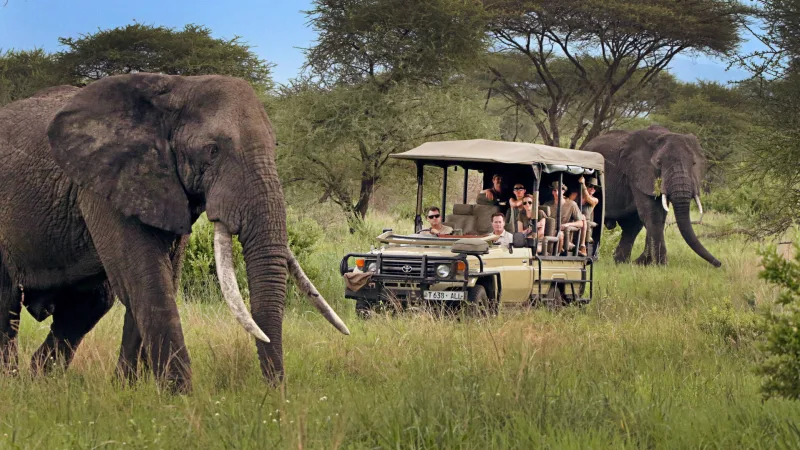
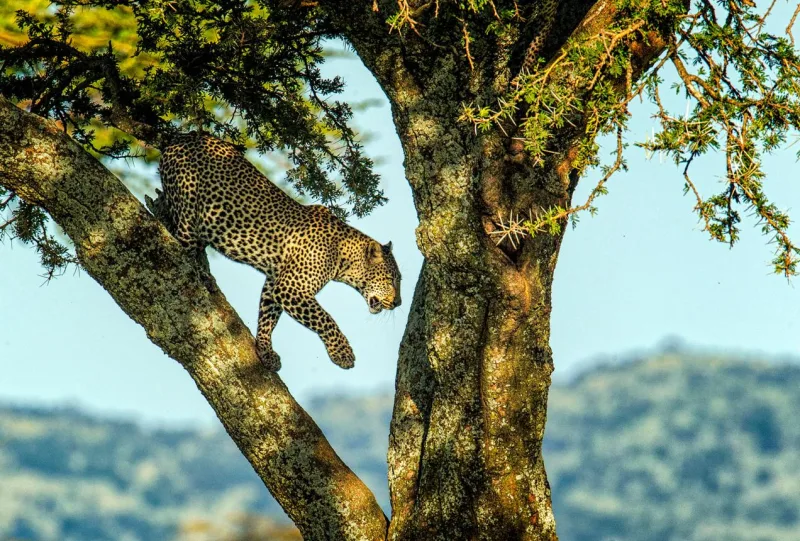
Tanzania is famous for its wildlife and national parks. A safari can take you across open grasslands, through woodland, and into landscapes where lions, elephants, giraffes, and other animals live in their natural environment.
Popular destinations include Serengeti National Park, Ngorongoro Crater, and Tarangire National Park.
You can choose a short safari lasting a few days or spend longer exploring different parks. The right option depends on your schedule, budget, and the wildlife experiences you hope to enjoy.
Mount Kilimanjaro climbing
For travelers who enjoy hiking and physical challenges, Mount Kilimanjaro offers the opportunity to climb Africa's highest mountain, reaching 5,895 meters above sea level.
A successful climb requires preparation, suitable equipment, and enough time to adjust to the altitude. Most itineraries take several days, depending on the route.
You can learn more about climbing options through Kilimanjaro Packages.
Zanzibar beach holidays
Zanzibar offers a different pace from a safari or mountain trek. You can relax on white-sand beaches, explore the historic streets of Stone Town, visit spice farms, or enjoy activities on the Indian Ocean.
It is an excellent choice for couples, families, and travelers who want to relax after several days of adventure.
Cultural experiences
Tanzania's culture is another reason to explore beyond the national parks. Depending on your route, you can visit local markets, learn about coffee production near Arusha, or arrange a guided cultural experience around Lake Eyasi.
These experiences offer a closer look at daily life, local traditions, and the people who make Tanzania what it is.
You do not need to include everything in one trip. Choose the experiences that interest you most, then build the rest of your itinerary around them.
When Is the Best Time to Visit Tanzania?
The best time to visit Tanzania depends on where you want to go and what you want to see.
For many northern Tanzania safaris, the dry season from June to October is especially popular. Rainfall is generally lower, vegetation is often thinner, and animals can be easier to spot around water sources. These months can also be busy, particularly in the most popular parks.
However, Tanzania is not a destination that can only be enjoyed during the dry season.
June to October: The dry season
These months are popular for wildlife safaris, especially in northern Tanzania.
The conditions often make it easier to explore the parks, and July to September attracts travelers hoping to see parts of the Great Wildebeest Migration in the northern Serengeti.
If you plan to travel during this period, arrange your accommodation and safari early, especially if you have specific dates in mind.
November to March: Greener landscapes and young wildlife
The landscape becomes greener during the rainy periods, and many destinations offer a different atmosphere from the dry season.
January to March can be particularly rewarding for travellers interested in the wildebeest calving season in the southern Serengeti and Ndutu area, although the exact timing depends on rainfall and grazing conditions.
This period can also appeal to photographers and birdwatchers who enjoy green landscapes and seasonal wildlife activity.
April and May: The long rains
April and May are generally the wettest months across much of northern Tanzania.
Rain can affect road conditions and travel times, and some properties operate on seasonal schedules. However, the country does not simply stop being worth visiting, and the quieter season may suit travellers who prefer fewer visitors and greener scenery.
The best choice depends on your priorities, preferred destinations, and tolerance for changing weather.
One important point: The Great Migration is a year-round movement, not a single event that happens on fixed dates. The herds move through different parts of the Serengeti ecosystem as they search for grazing, so your itinerary should match the season and the area you hope to visit.
Where Should You Go in Tanzania?
Your destination choices will shape your whole trip. Some travelers want to see the famous northern safari parks, while others are interested in mountain climbing, remote wilderness, or the coast.
Arusha: A starting point for northern Tanzania
Arusha is one of Tanzania's main tourism centers and a common starting point for northern safari itineraries.
From here, you can travel towards Tarangire, Ngorongoro, and the Serengeti. It is also a useful base for arranging a Kilimanjaro climb, depending on your route and travel schedule.
You can spend time exploring the city, visiting local markets, or enjoying the surrounding landscapes before setting off on a longer adventure.
Serengeti National Park: Wildlife across vast plains
The Serengeti is known for its open grasslands, predators, and the Great Wildebeest Migration.
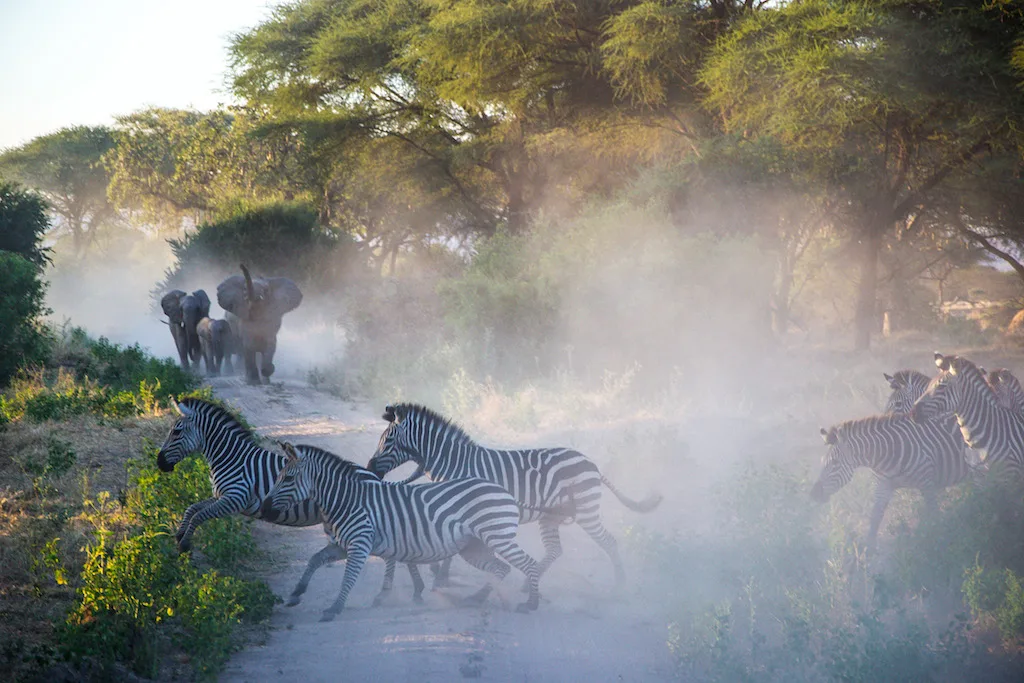
A safari here can include looking for lions, elephants, giraffes, zebras, and many other animals. The park is large, however, so the best area to visit depends on the season and the amount of time you have.
Travellers hoping to see the migration should choose their route carefully rather than assuming all parts of the Serengeti offer the same experience throughout the year.
Ngorongoro Crater: A remarkable wildlife destination
Ngorongoro Crater is one of Tanzania's best-known natural attractions. Its volcanic landscape surrounds a wildlife-rich crater floor where visitors can look for lions, elephants, buffaloes, zebras and, with luck, the endangered black rhino.
It is often combined with the Serengeti or Tarangire as part of a northern Tanzania safari.
Tarangire National Park: Elephants and baobab trees
Tarangire is known for its elephants, distinctive baobab trees and seasonal wildlife concentrations near the Tarangire River.
It can be a good choice for travellers who want a memorable safari without spending all their time driving between distant destinations.
Mount Kilimanjaro: A challenge worth preparing for
Kilimanjaro is ideal for visitors who want a more active holiday. However, it deserves its own section in your itinerary because the climb takes several days and requires proper acclimatisation.
Choose a route that suits your schedule and allow time for preparation and recovery. If you also want a safari or Zanzibar holiday, make sure you have enough days to enjoy each experience without rushing.
Zanzibar: Beaches and history
Zanzibar combines tropical beaches with a rich Swahili cultural heritage.
You can walk through Stone Town, explore its historic architecture, visit spice farms or spend time swimming and relaxing beside the ocean.
A few days on the island can provide a welcome change of pace after a mountain climb or wildlife safari.
Lake Eyasi: A different view of Tanzania
For travellers interested in culture, Lake Eyasi offers opportunities to learn about the Hadzabe and their traditional hunter-gatherer way of life through guided community visits.
It is a very different experience from a game drive. Visits should be arranged respectfully, with consideration for the community's wishes, privacy, and daily activities.
How Many Days Do You Need to Visit Tanzania?
The time you need depends on what you want to include. The biggest planning mistake is trying to cover too much ground without allowing enough time to enjoy each destination.
Here are some useful starting points.
Three to four days: A short safari focused on one or two destinations, depending on your starting point and the route.
Five to seven days: A more relaxed safari with time for several wildlife experiences, or a short trip combining a safari with local sightseeing.
Seven to ten days: A longer safari or a possible combination of northern Tanzania and Zanzibar, depending on flight connections and how much time you devote to each place.
Ten to fourteen days or longer: More suitable for travelers who want to combine a multi-day safari with Zanzibar or plan a mountain climb alongside other activities.
These are planning examples rather than fixed rules. A Kilimanjaro climb needs several days by itself, while reaching remote safari destinations may require extra transport time.
If your holiday is short, it is usually better to choose fewer destinations and enjoy them properly than to spend most of your trip travelling.
What Travel Documents Do You Need for Tanzania?
Before booking your trip, check the entry requirements that apply to your nationality.
Passport and visa
Many travelers need a visa to enter Tanzania, although requirements vary by nationality and travel purpose.
Your passport should generally have at least six months of remaining validity and an unused visa page, but you should confirm the precise rules for your passport before departure.
Tanzania provides an official online visa application system. Start with the Tanzania Immigration eVisa website to check whether you need a visa, which type applies to you, and what documents are required.
Some nationalities may need special approval, so allow enough time for processing. Do not assume that submitting an application means it has been approved.
You may also be asked to show an onward or return ticket at the border.
Mandatory inbound travel insurance
Important current requirement: As of October 2026, official travel guidance states that foreign visitors entering mainland Tanzania or Zanzibar must arrange the applicable local inbound travel insurance, subject to specified exemptions. Having your own travel insurance may not remove this requirement.
This local requirement is separate from arranging comprehensive travel insurance for your personal needs. It is still important to have suitable cover for medical emergencies, unexpected trip changes, and any activities you intend to undertake, such as high-altitude trekking.
Because entry rules can change, confirm the latest requirements before you travel.
What Health Preparations Should You Make Before Travelling?
It is worth arranging your health preparations well before leaving home, especially if you plan to visit remote safari areas or climb Mount Kilimanjaro.
Speak to a travel-health professional at least a month before departure, or earlier if possible. They can review your itinerary, medical history and current guidance and advise you about vaccinations and malaria prevention.
Vaccinations and yellow fever requirements
The vaccinations recommended for you will depend on your health, travel history and destinations.
A yellow fever vaccination certificate is required in certain circumstances, including arrival from a country with a risk of yellow fever transmission. The rules can also apply to some transit routes, so check them before booking your flights.
Do not assume that every traveller needs the vaccine or that nobody needs it. Check the current requirements for your specific route.
The CDC's Tanzania travel-health guidance provides information about vaccinations, malaria prevention and other health precautions.
Malaria and insect protection
Malaria prevention may be important for travel to parts of Tanzania. Ask a qualified healthcare professional whether preventive medication is appropriate for your itinerary.
Use insect repellent, wear suitable clothing and follow local health advice. If you develop a fever during or after your trip, seek medical care promptly and tell the clinician about your travel history.
Food and drinking water
Be sensible about food and water hygiene. Choose food that is freshly prepared and served hot, wash your hands regularly and drink water from a safe, sealed or properly treated source.
These simple habits can help reduce the risk of illness and make your trip more comfortable.
Health checks at entry
Entry health-screening procedures can change when public-health measures are introduced. At the time of writing, official travel guidance reports additional health-screening procedures and a Traveller's Health Surveillance Form requirement.
Check the latest instructions shortly before departure, including any forms you need to complete and the official website through which to submit them.
What Currency Is Used in Tanzania?
The official currency is the Tanzanian shilling (TZS).
Hotels, tour operators and some tourist businesses may accept foreign currency or card payments, but cash remains useful, especially in rural areas, local markets and smaller shops.
A few practical points will help:
- Carry some Tanzanian shillings for small purchases and everyday expenses.
- Do not assume every business accepts a card.
- ATMs are available in major towns and cities, but availability can be less reliable in remote areas.
- Keep your cash and cards secure, and avoid carrying more than you need for the day.
- Check how your tour, accommodation and optional activities are to be paid before you arrive.
For a safari, ask what is already included in your package. Park fees, meals, accommodation, transfers and optional activities can be treated differently by different operators.
Understanding the inclusions before you pay helps you plan your spending more accurately.
How Do You Get Around Tanzania?
The best way to travel depends on your destinations, available time and budget.
Private road transfers
Private transfers are useful when you want to travel at your own pace between airports, hotels, towns and safari destinations.
For a private safari, having your own vehicle and guide allows you to travel with your group rather than sharing the safari with unrelated travellers.
Domestic flights
Flights can be helpful when travelling between distant destinations, such as northern Tanzania and Zanzibar, or when you want to reduce the time spent on the road.
They can also make remote destinations more accessible, although flight schedules, baggage limits and availability should be checked before confirming the itinerary.
Allow more time than the map suggests
Distances on a map do not always show how long a journey will take. Safari roads, traffic, stops and local conditions can affect travel times.
For example, travelling between Arusha and the Serengeti is a substantial journey. If your itinerary involves several parks, consider how much time you will spend on the road compared with time enjoying game drives.
It is often better to spend an extra night in a destination than to rush through it.
What Should You Pack for Tanzania?
Your packing list depends on whether you are going on safari, climbing Kilimanjaro, visiting cities or relaxing in Zanzibar.
For most visitors, comfortable clothing, sun protection and a few practical essentials are more useful than packing for every possible situation.
For a safari
Bring lightweight clothing, comfortable shoes, a hat, sunglasses, sunscreen and insect repellent. Neutral-coloured clothing can be practical in the bush, and a warm layer is useful for early morning game drives.
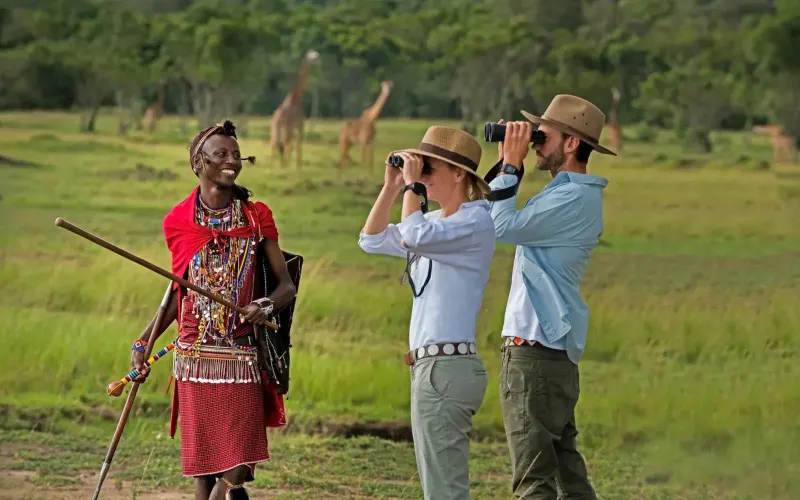
Binoculars can help you see animals at a distance, while a camera or phone lets you capture memories.
For Kilimanjaro
A mountain climb requires much more specialised preparation. You will need appropriate hiking boots, warm layers, rain protection, suitable sleeping equipment according to your itinerary and other mountain gear.
Follow your operator's packing list and check what equipment is provided or available to hire.
For Zanzibar
Bring lightweight clothing for warm weather, swimwear, sun protection and comfortable footwear. When visiting Stone Town, religious sites or local communities, dress respectfully and pay attention to local expectations, particularly in more conservative settings.
For all destinations
Keep essential medicines, travel documents, payment cards and other important items accessible. If you are taking domestic flights, check luggage restrictions before travelling, especially for small safari aircraft.
A practical packing list based on your actual itinerary will usually serve you better than bringing too much.
What Should You Know About Tanzanian Culture and Customs?
Tanzania is home to many communities, languages, and traditions. Swahili is widely spoken, and learning a few everyday phrases can make interactions more enjoyable.
For example:
- Habari? means “How are you?” or “What's the news?”
- Asante means “Thank you.”
- Tafadhali means “Please.”
A friendly greeting is often appreciated. Taking a moment to say hello before starting a conversation can make an interaction feel more respectful and natural.
When visiting cultural sites or communities, ask permission before taking photographs and follow your guide's advice about local customs. Do not assume that everyone wants to be photographed or participate in a visitor activity.
Dress modestly when visiting religious sites and in more conservative communities. On the coast and in Zanzibar, it is particularly important to be mindful of local customs away from resort beaches.
Cultural experiences are most rewarding when visitors arrive with curiosity and respect rather than expectations that people should perform their traditions on demand.
Is Tanzania Safe for Tourists?
Many people visit Tanzania for safaris, mountain climbing and beach holidays, but like any destination, it is important to take sensible precautions.
Keep valuables out of sight, use reputable transport, secure your belongings and avoid walking alone in unfamiliar areas at night. Be particularly careful with your phone, bags and jewellery in busy public places.
During a safari, follow your guide's instructions and keep a safe distance from wildlife. Animals are wild, even when they appear calm or are accustomed to safari vehicles.
If you plan to climb Kilimanjaro, choose a suitable route, allow time for acclimatisation and follow your mountain guide's safety advice. Make sure your travel insurance covers the activities you intend to do.
Travel conditions and official advice can change. Before departure, check your government's latest Tanzania travel advice and pay attention to local guidance during your stay.
Good preparation will not remove every risk, but it can help you make better decisions and enjoy your trip with greater confidence.
Common Planning Mistakes to Avoid
A few simple decisions can make a big difference to how your holiday feels.
Trying to see too much
Tanzania is a large country. Combining several distant destinations in a few days can leave little time for the experiences you came to enjoy.
Choose the places that matter most and allow enough time for the journeys between them.
Booking a safari only by price
Compare what each package includes, not just the headline price. Accommodation, park fees, vehicle arrangements, meals and optional activities can affect the final cost.
Ask questions if any part of the quotation is unclear.
Expecting guaranteed wildlife sightings
A guide can use local knowledge and experience to improve your chances of seeing animals, but wildlife is unpredictable. Build flexibility into your expectations and enjoy the wider experience, not only a list of animals.
Leaving important requirements until the last minute
Check your passport, visa, local inbound insurance requirements and health preparations before departure. These details are much easier to manage when you have time to resolve questions.
Forgetting time for rest
A safari, a mountain climb and several flights can make a holiday demanding. Allow time to recover between major activities rather than treating every day as an opportunity to fit in something else.
How Much Does a Trip to Tanzania Cost?
There is no single price for visiting Tanzania. The cost depends on when you travel, how many people are in your group, the accommodation you choose and the activities you include.
A short wildlife safari has different costs from a multi-day Serengeti trip or a Kilimanjaro climb. Adding domestic flights and several nights in Zanzibar will also affect your budget.
When planning your expenses, consider:
- International flights.
- Accommodation and meals.
- Safari transport, park fees and guide services.
- Kilimanjaro climbing arrangements, if applicable.
- Domestic flights and airport transfers.
- Zanzibar activities and accommodation.
- Visa fees, local inbound insurance and suitable personal travel insurance.
- Tips, souvenirs and personal spending.
The best way to control your budget is to decide what matters most to you and obtain a clear quotation that explains what is included.
At Zaita Tours, we organise private Tanzania safaris and tours based on your travel dates, interests and preferred comfort level. This helps you compare suitable options without paying for experiences that do not fit your plans.
Start Planning Your Tanzania Adventure
Visiting Tanzania can mean different things to different travellers. You might come for the Serengeti and its wildlife, challenge yourself to climb Kilimanjaro, learn about local culture around Lake Eyasi or spend a few quiet days on Zanzibar's beaches.
The best trip is not necessarily the one that covers the most places. It is the one that gives you enough time to enjoy the experiences that matter most to you.
At Zaita Tours, we help travellers plan private Tanzania safaris and tours around their interests, travel dates and budget. Whether you have a few days or a longer holiday, we can help you choose suitable destinations and organise a practical itinerary.
Explore our Tanzania safari packages or private Tanzania tours to start planning your visit.