Best Time to Visit Tanzania for Safari
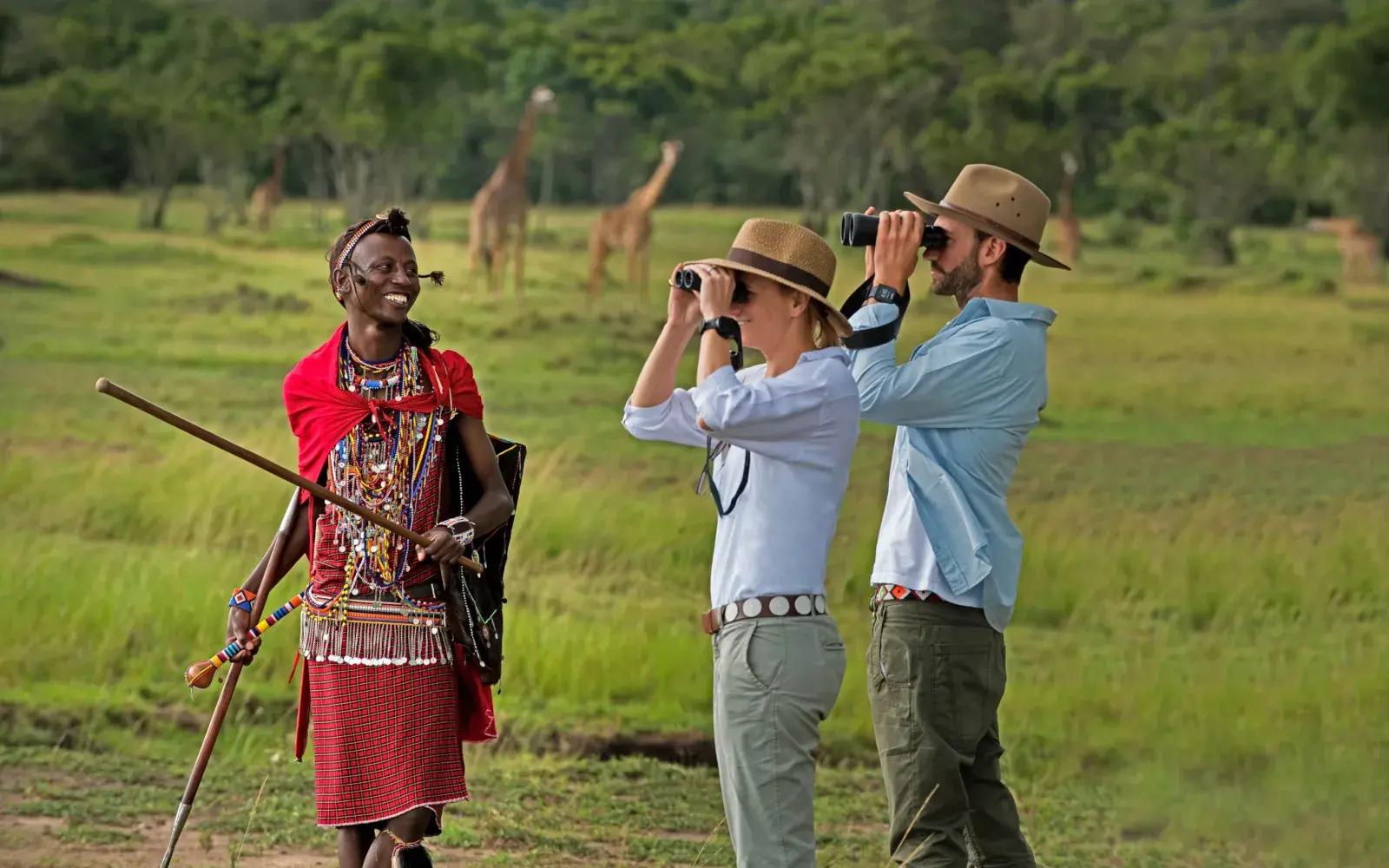
The best time to visit Tanzania for a safari is during the dry season from June to October, when wildlife viewing is at its best and animals are easier to spot in places like Serengeti National Park and Ngorongoro Crater. However, Tanzania is a year-round destination, and the ideal time depends on your travel goals, such as seeing the Great Migration, visiting during calving season, or enjoying fewer crowds and lower prices.
When to Go
Tanzania is a year-round safari destination, but the best time to visit depends on what you want to see, which parks you plan to explore, and your preferred travel conditions. Wildlife viewing is excellent throughout the year, although different seasons offer unique advantages in terms of animal behavior, landscapes, and crowd levels.
Dry Season (June to October)
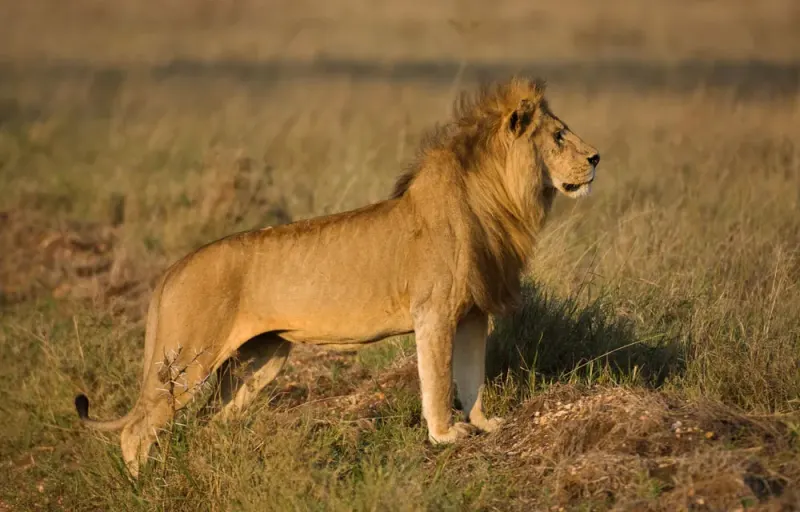
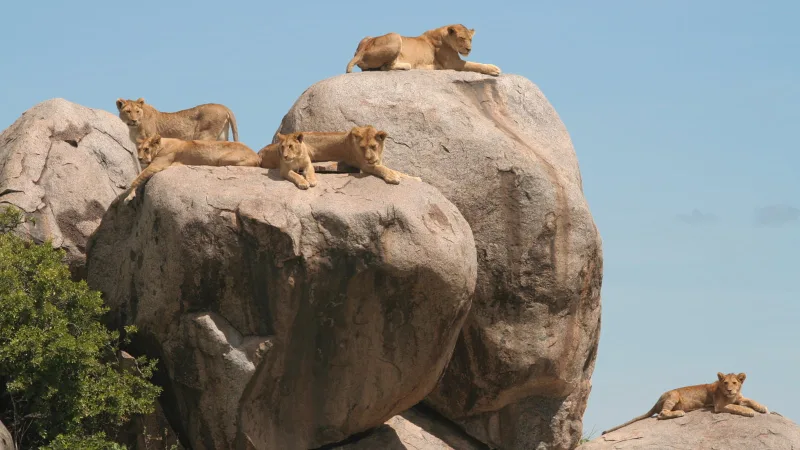
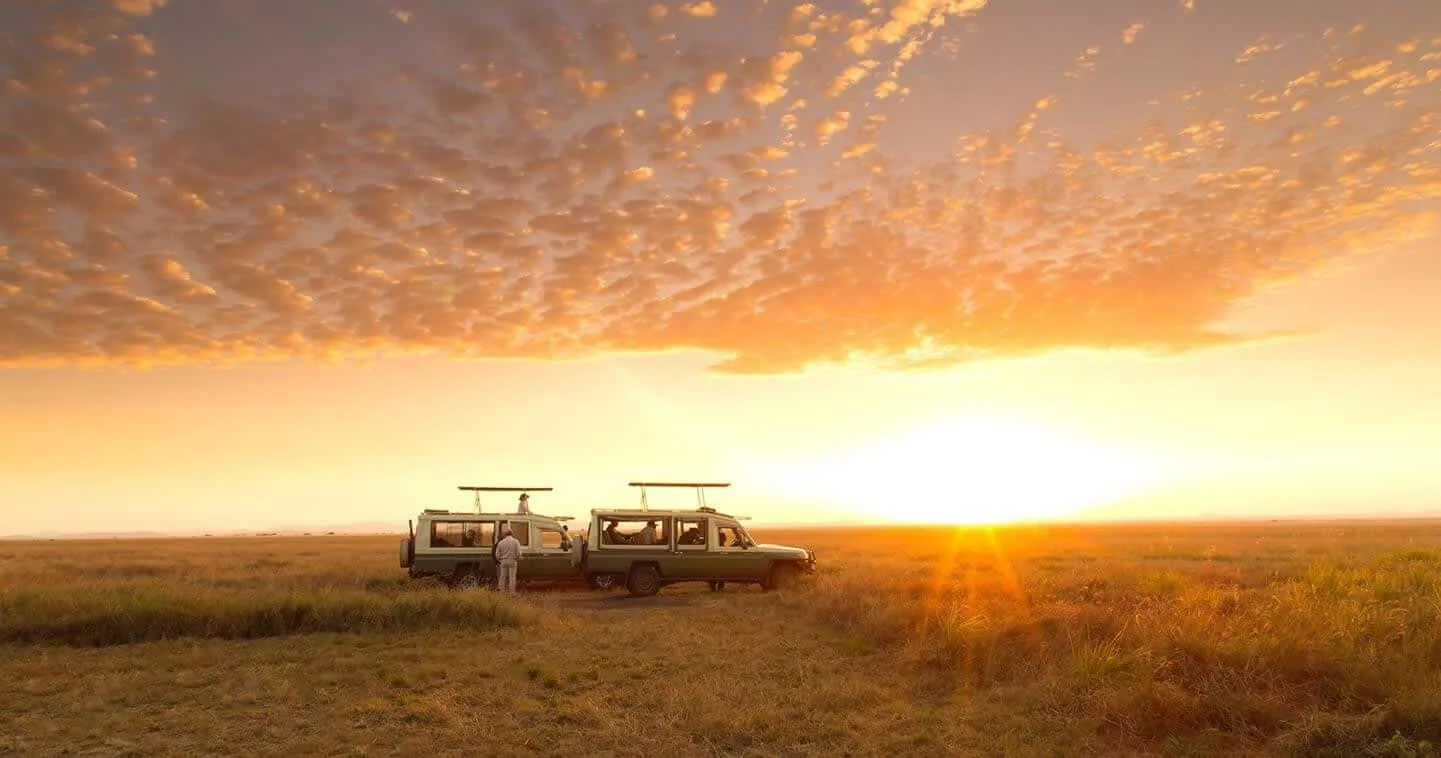
The dry season is considered the best time for a Tanzania safari. During this period, vegetation is thinner, and animals gather around rivers and waterholes, making wildlife easier to spot. This is the peak season for game viewing in parks such as Serengeti, Ngorongoro Crater, Tarangire, and Lake Manyara. It is also one of the best times to see predators in action due to increased animal concentration. The weather is generally sunny and pleasant, making it ideal for photography and full-day game drives. However, this is also the busiest and most expensive travel period.
Green Season (November to May)
The green season brings lush landscapes, fewer crowds, and excellent birdwatching opportunities. While wildlife is more dispersed due to abundant water sources, this season offers beautiful scenery and lower safari costs. It is also the best time to witness the calving season in the southern Serengeti, typically between January and March, when thousands of wildebeest are born. This period attracts predators and creates dramatic wildlife interactions.
Great Migration Timing
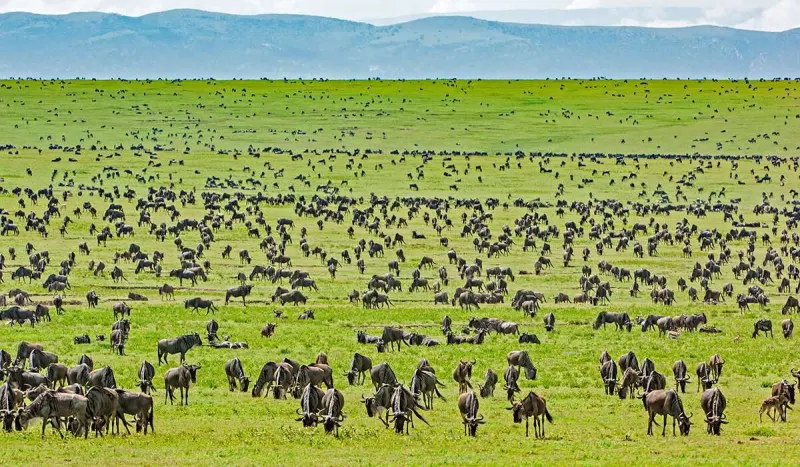
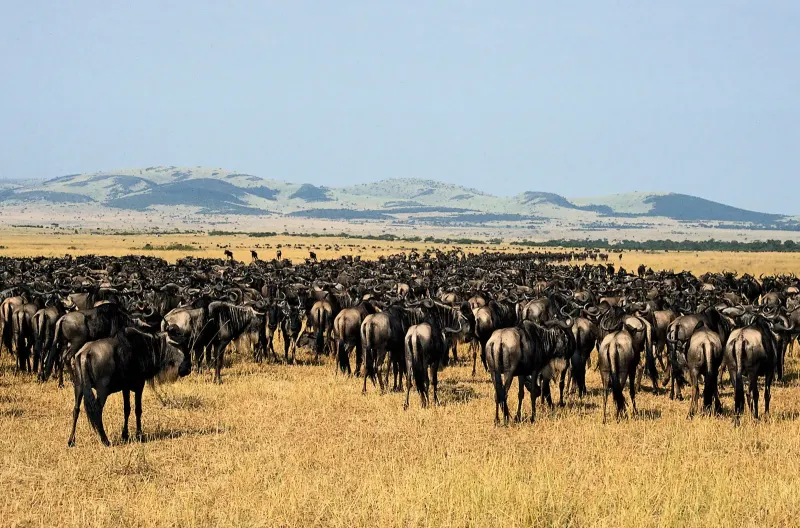
The Great Migration moves throughout the Serengeti ecosystem in a continuous cycle. From December to March, herds gather in the southern Serengeti for calving season. Between April and June, they begin moving northward. From July to October, dramatic river crossings often occur in the northern Serengeti and Masai Mara border region. Each phase of the migration offers a different safari experience, making Tanzania a dynamic year-round destination.
Best Time Based on Travel Goals
- For the best overall wildlife viewing: June to October
- For calving season and predator action: January to March
- For fewer crowds and lower prices: April to May and November
- For Great Migration river crossings: July to September
Where to Go
Where you go in Tanzania can completely shape your experience, and the best locations often depend on the time of year. The good news is that Tanzania offers excellent destinations in every season—you just need to match your travel plans with what’s happening in each area.
From June to October, the dry season is perfect for classic safari experiences. This is the best time to visit Serengeti National Park in the north, where you may witness dramatic river crossings during the Great Migration. It’s also an ideal time to explore Ngorongoro Crater, where wildlife is easy to spot, and Big Five sightings are highly reliable.
Between January and March, the southern Serengeti becomes the highlight. This is calving season, when thousands of wildebeest give birth, attracting predators and creating some of the year’s most active and rewarding wildlife viewing opportunities.
If you’re looking for a destination that performs well all year, Ngorongoro Crater is always a strong choice. Its unique ecosystem supports a high concentration of wildlife, making it one of the most consistent safari locations in Tanzania.
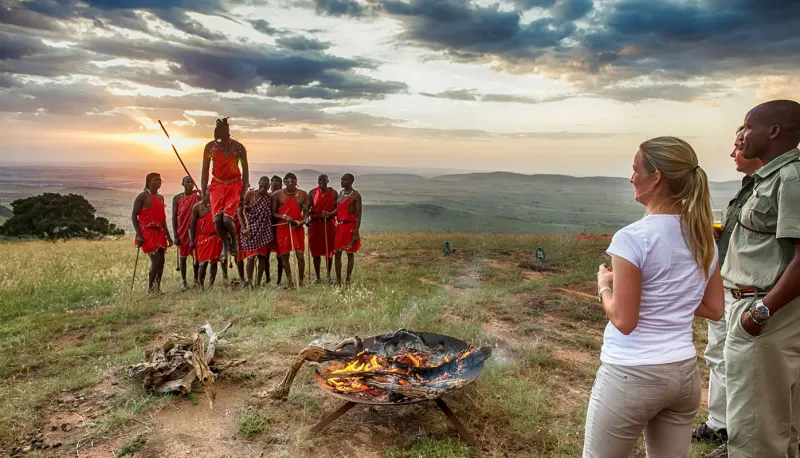
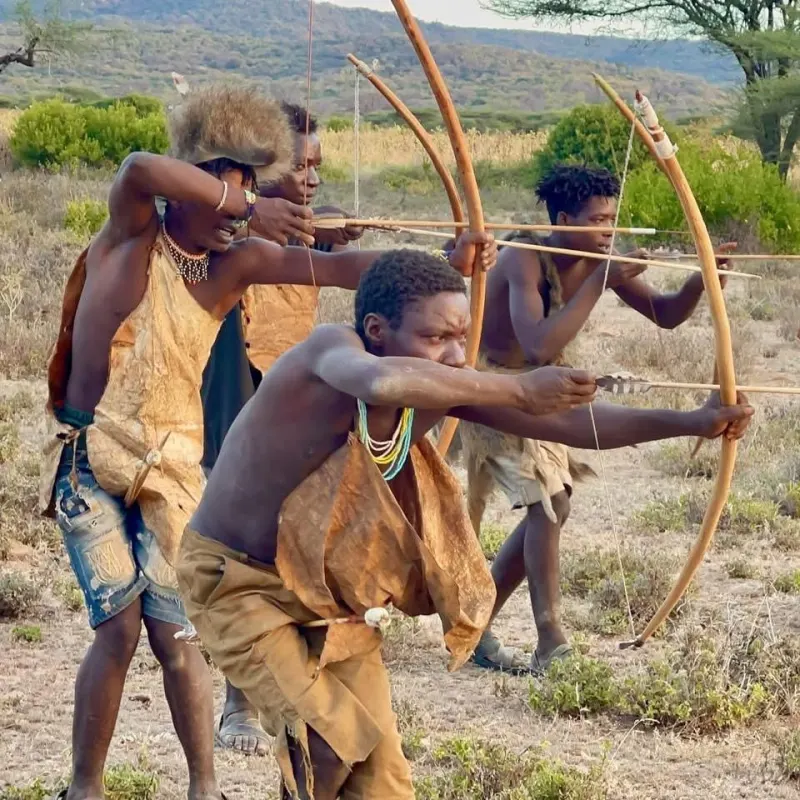
For travelers interested in culture and unique landscapes, the dry season is the best time to visit Lake Eyasi and Lake Natron. At Lake Eyasi, you can experience authentic cultural interactions with local tribes, while Lake Natron offers dramatic scenery and large populations of flamingos in a remote, untouched setting.
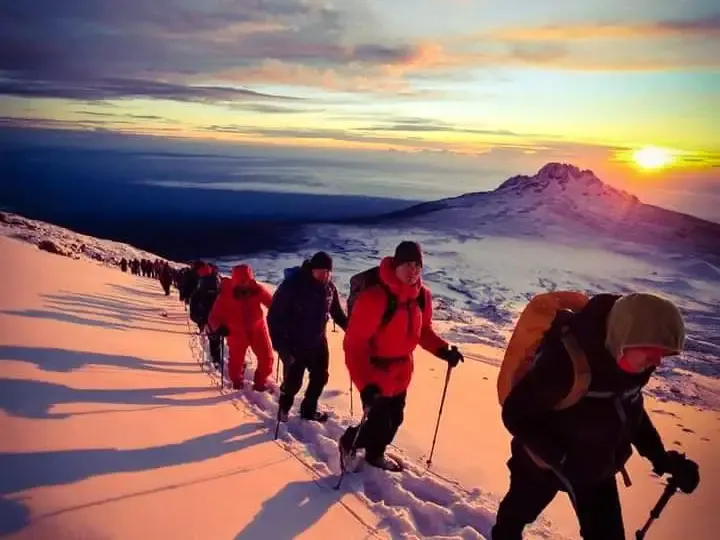
If you’re planning to include a beach escape, Zanzibar is a great choice, almost year-round. The island is especially enjoyable during the dry seasons, offering warm weather, clear waters, and perfect conditions for relaxation after a safari or trekking adventure.
By choosing the right destinations at the right time, you can turn a good trip into an exceptional one. This flexibility is what makes Tanzania tours so rewarding—you can design an itinerary that perfectly matches your interests, whether that’s wildlife, culture, adventure, or relaxation.
Where to Stay
Where you stay in Tanzania plays a big role in shaping your overall experience. Tanzania’s national parks are well-equipped for comfort and convenience, even in the heart of the wild. Whether you’re embarking on a full-day game drive in Serengeti National Park or exploring the Ngorongoro Crater, you’ll find that facilities have kept pace with international standards—without sacrificing that authentic safari atmosphere.
Most major parks have established picnic sites, clean restrooms, and shaded areas where you can take breaks between wildlife sightings. In popular spots like the Serengeti and Ngorongoro, you’ll notice that well-maintained washrooms are strategically placed at key viewpoints and picnic stops, saving you from having to rough it during long excursions.
Guides and park staff are helpful and accustomed to working with travelers of all ages and mobility levels. Many lodges and camps in and around the parks also offer amenities such as electricity, running water, and dedicated guest services—so you can focus on enjoying your adventure without worrying about the basics.
Even in more remote destinations like Lake Natron or Tarangire National Park, you’ll generally find well-managed facilities and attentive staff. While the experience may be simpler, accessibility and guest comfort remain a priority. This thoughtful blend of wild settings and practical touches ensures that your Tanzania safari is both memorable and stress-free.
From waking up to wildlife sounds in the heart of the savannah to relaxing in a beachfront villa, accommodation in Tanzania is as diverse as the destinations themselves. The right choice depends on your travel style, budget, and the type of experience you’re looking for.

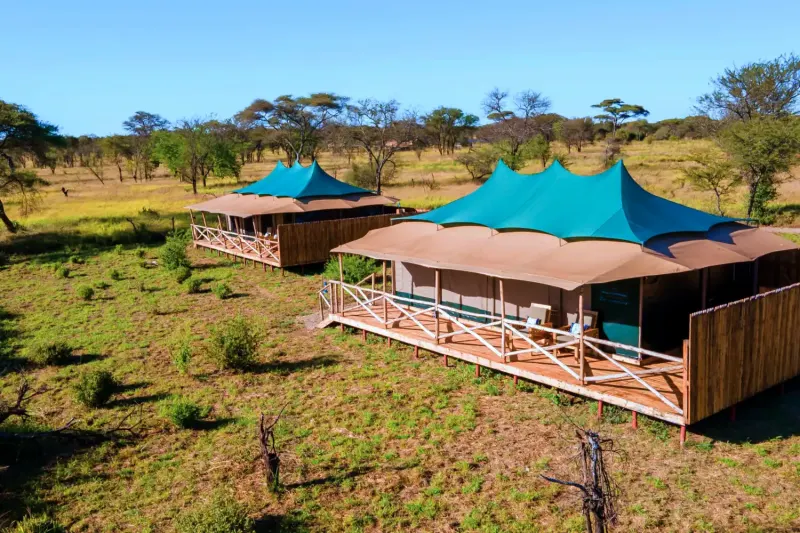
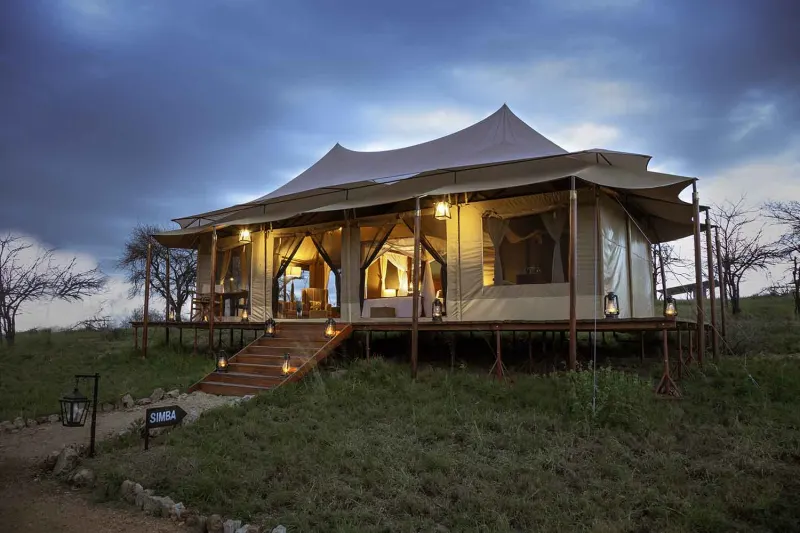
During a safari, many travelers choose to stay in or near iconic parks like Serengeti National Park and Ngorongoro Crater. Staying close to these areas allows you to start early morning game drives and enjoy more time in nature, which often leads to better wildlife sightings. You’ll find a range of options here, from comfortable lodges to immersive tented camps that bring you closer to the wild without sacrificing comfort.
For those looking for a more authentic and quieter experience, areas around Tarangire National Park offer beautiful lodges surrounded by nature, often with fewer crowds and a more relaxed pace. These stays are perfect for travelers who want to enjoy wildlife while also having time to unwind.
If your journey includes cultural experiences, accommodations near Lake Eyasi provide a more intimate and local atmosphere. These are usually smaller lodges or camps that allow you to connect more closely with the surrounding communities and landscapes.
For something more remote and unique, staying near Lake Natron offers a completely different experience. Lodges here are often simple but set in dramatic landscapes, giving you access to one of Tanzania’s most untouched and visually striking regions.
After your safari or trekking adventure, Zanzibar is the perfect place to relax. The island offers everything from boutique hotels to luxury beachfront resorts, where you can enjoy ocean views, fresh seafood, and a slower pace of life. It’s an ideal way to end your Tanzania tour on a peaceful and refreshing note.
In general, Tanzania offers accommodation options for every type of traveler. Affordable lodges provide comfort and great value, mid-range options balance quality and price, while luxury camps and lodges deliver high-end service, privacy, and unforgettable settings.
Choosing where to stay is not just about comfort—it’s about the experience. The right accommodation can bring you closer to nature, enhance your safari, and make your entire Tanzania tour feel seamless and memorable.