Big 5 Safari in Tanzania
A Big 5 safari in Tanzania is one of the most reliable wildlife experiences in Africa. The term refers to the lion, leopard, elephant, buffalo, and rhinoceros, the five animals that 19th-century big game hunters considered the most dangerous to hunt on foot. Today, the phrase is a benchmark for safari-goers, and Tanzania is one of the few countries where you have a realistic chance of seeing all five in a single trip.
What makes Tanzania different from other safari destinations is the concentration of wildlife across a relatively small circuit. The northern parks, Serengeti, Ngorongoro, Tarangire, and Lake Manyara, sit within a few hours' drive of each other, and each one fills a different gap in the Big Five checklist. You do not need to cross the country or book multiple flights to see all five. A well-planned week on the northern circuit is usually enough.
What Are the Big Five?
The Big 5 are wild animals most aggressive: the lion, leopard, elephant, buffalo, and rhinoceros. The name comes from the era of big game hunting, when these five species were considered the most dangerous to pursue on foot. A wounded lion, leopard, or buffalo could turn on a hunter, and elephants and rhinos could charge. The term stuck, and today it is used across the safari industry as shorthand for the most sought-after sightings on a game drive.
Each of the Big Five is present in Tanzania, and each is best seen in a different park or habitat. Knowing where to go for each animal is the key to a successful Big Five safari.
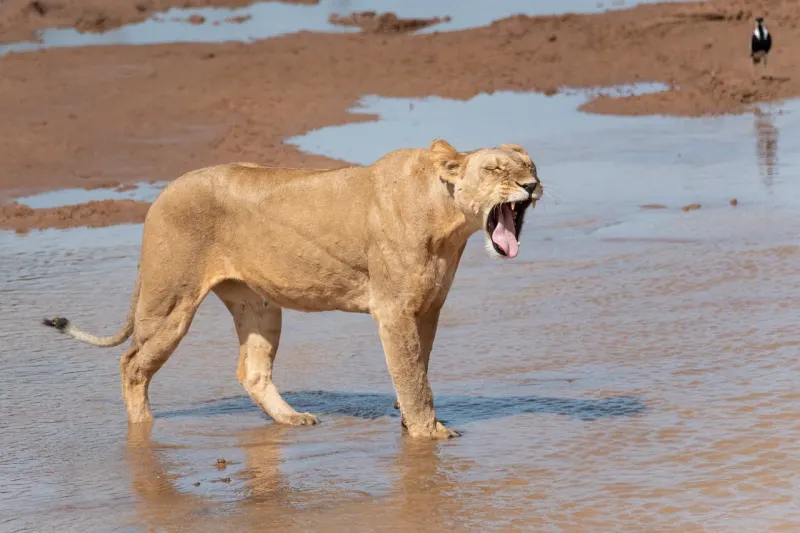
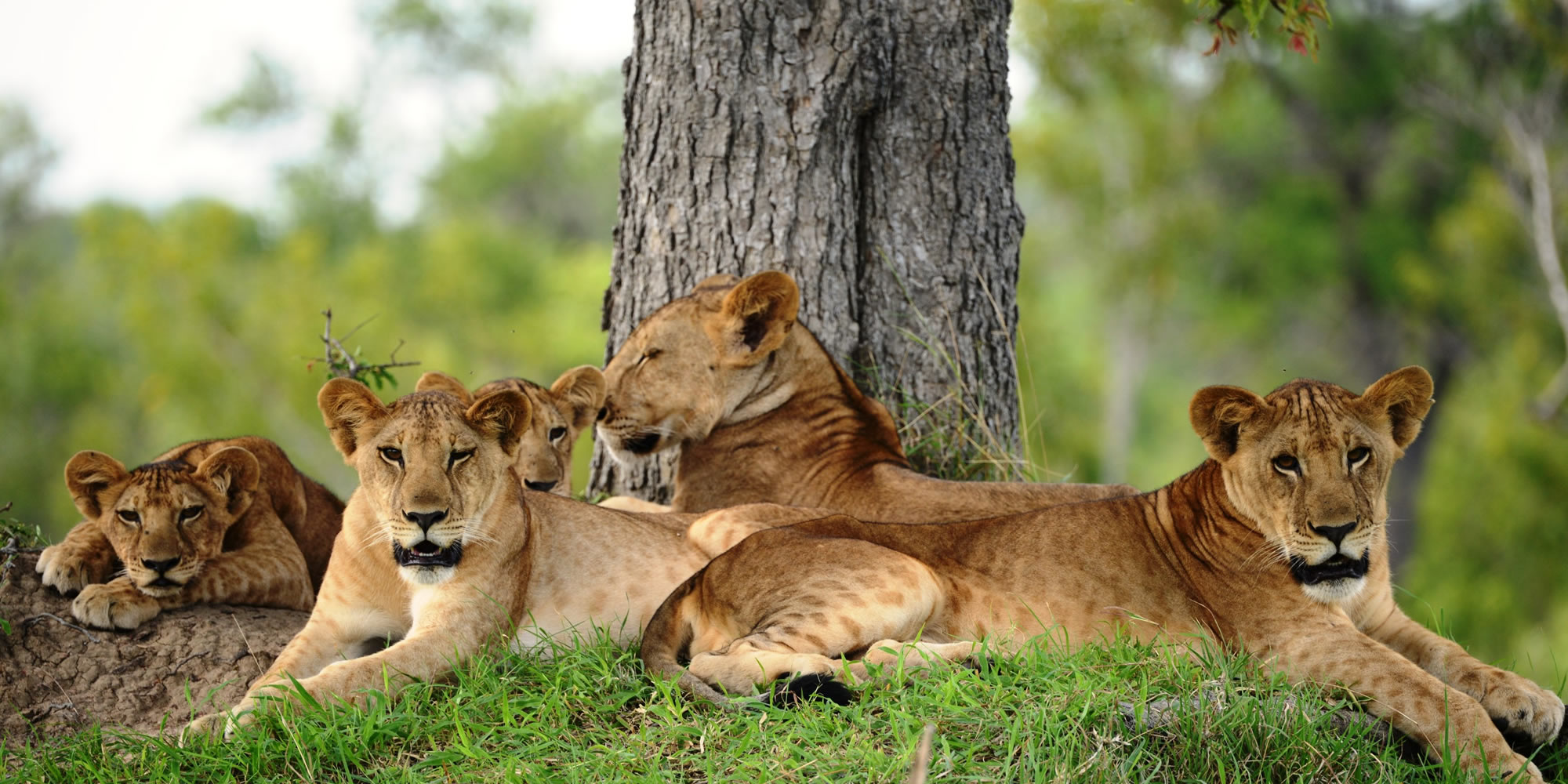
Lion—Lions are found across the Serengeti and Ngorongoro Crater, and sightings are very reliable. The Serengeti has one of the highest lion densities in Africa, with prides that have been studied for decades. The Ngorongoro Crater also supports a resident population, and because the crater floor is a contained environment, lions are often easier to find there than in the open Serengeti.
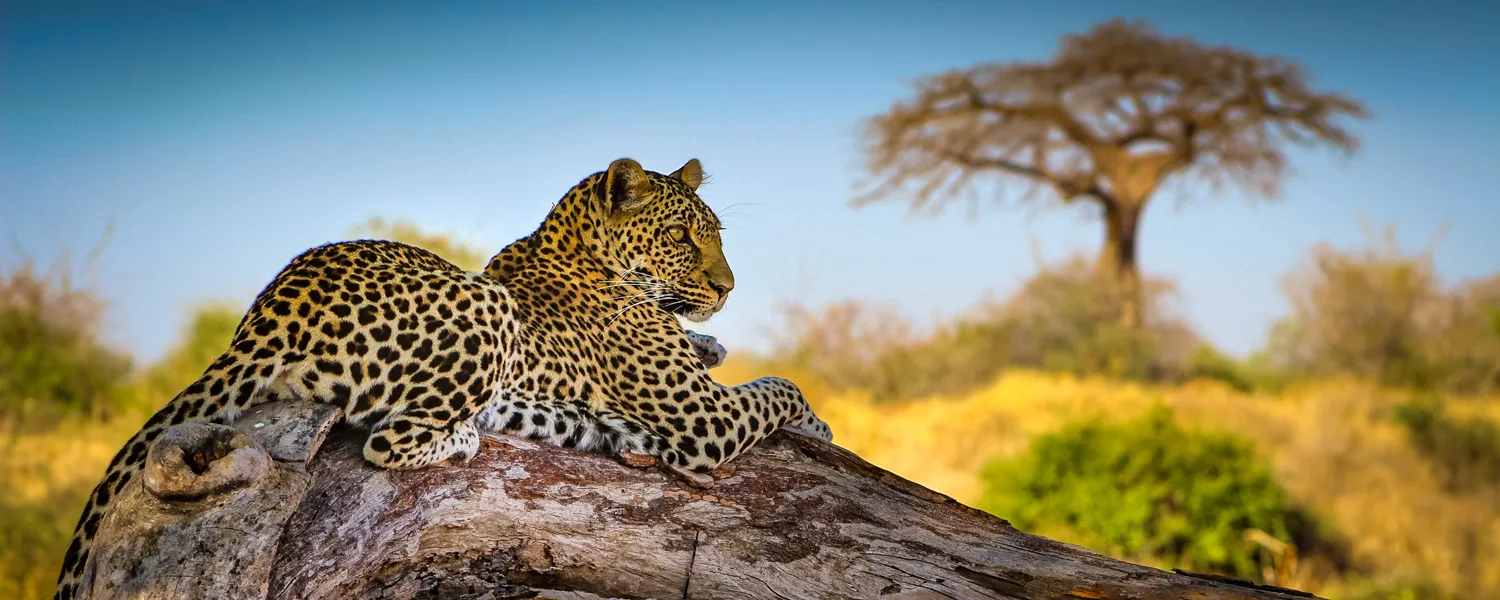
Leopard—Leopards are solitary and nocturnal, which makes them the hardest of the Big Five to spot. The Serengeti, especially the Seronera Valley, is the best place in Tanzania to look for them, followed by Tarangire. Leopards often rest in trees during the day, so a good guide will scan the branches of acacia and fig trees along the roads.
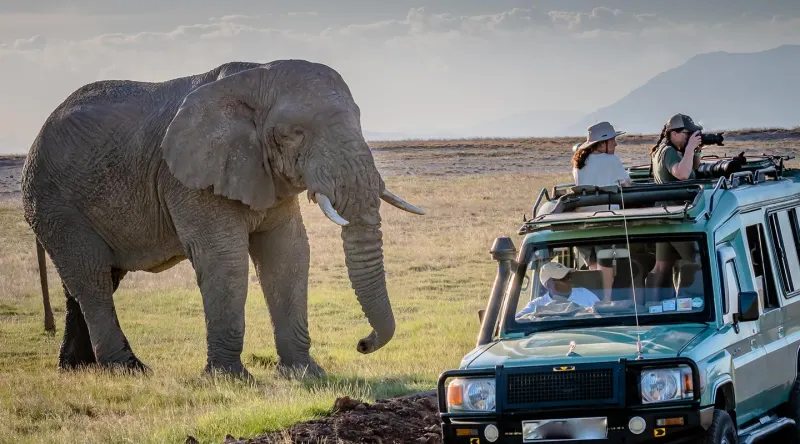
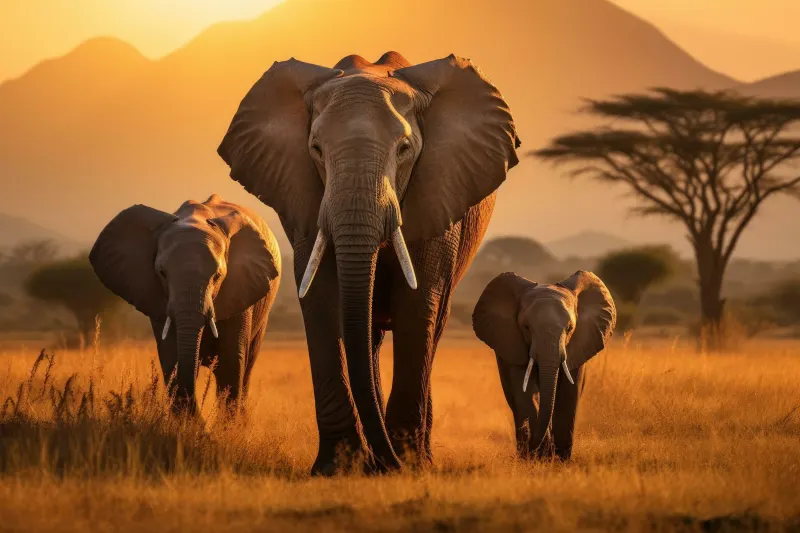
Elephant—Tarangire National Park is the top destination for elephants in Tanzania, followed by the Serengeti and Ngorongoro. During the dry season, Tarangire hosts one of the highest concentrations of elephants in East Africa.
Buffalo—Buffalo are common in the Ngorongoro Crater and the Serengeti. They are usually seen in large herds, and the crater floor is one of the most reliable places to find them.
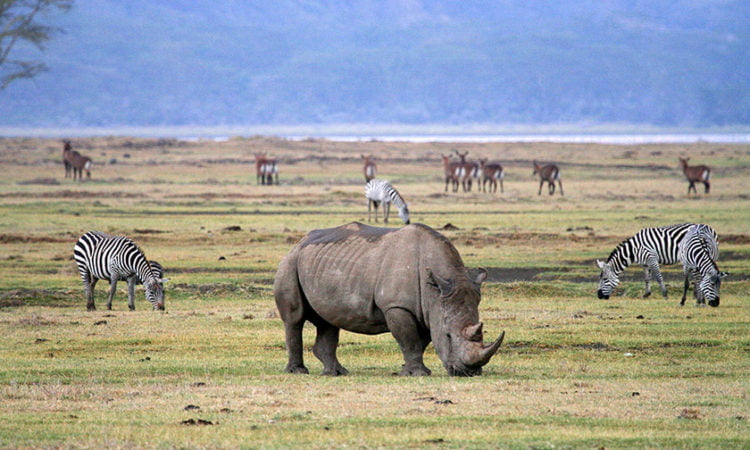
Black Rhinoceros—The black rhino is the rarest of the Big Five in Tanzania. The Ngorongoro Crater is the single best place to see one, with a sighting rate of around 98 percent. Outside the crater, rhinos are occasionally seen in the Serengeti, but sightings are rare.
Where to See the Big Five in Tanzania
Tanzania's northern safari circuit offers the best opportunity to see all five. Each park has its strengths, and combining them into one itinerary gives you the best chance of a full sweep.
Serengeti National Park
The Serengeti is home to all of the Big Five and is your best bet for leopard sightings, particularly in the Seronera Valley. The park's vast plains also offer excellent lion viewing, with large prides concentrated during the dry season. The Great Migration, which passes through the Serengeti from June to October, brings over 1.5 million wildebeest and 200,000 zebras into the ecosystem, supporting the predators that depend on them. Beyond the Big Five, the Serengeti is also home to cheetahs, giraffes, hippos, crocodiles, and over 500 bird species.
The Serengeti is large, covering nearly 15,000 square kilometers, and different areas suit different animals. The Seronera Valley in the center is the most reliable area for leopards and lions. The Western Corridor, near the Grumeti River, is good for hippos and crocodiles during the migration. The Northern Serengeti, near the Mara River, is where the migration crosses into Kenya between July and September.
Ngorongoro Crater
The Ngorongoro Crater is the single best place in Tanzania to see the black rhinoceros. Because the crater floor is a contained environment, wildlife is concentrated, making sightings more predictable. The crater also supports large lion prides and reliable buffalo and elephant populations. The crater is roughly 19 kilometers across and 600 meters deep, and its floor supports around 25,000 large animals.
What makes Ngorongoro different from the Serengeti is the density. Instead of driving for hours between sightings, you can see lions, rhinos, buffalo, elephants, and hippos within a single morning. The crater is also one of the few places in Tanzania where you have a realistic chance of seeing a rhino, which is why it is almost always included in a Big Five itinerary.
Tarangire National Park
Tarangire is the park for elephants. During the dry season, herds of up to 300 elephants gather along the Tarangire River, making it one of the highest concentrations of elephants in Tanzania. The park is also a strong destination for leopard sightings, along with lions, buffalo, giraffes, and over 550 bird species.
Tarangire's landscape is different from the Serengeti and Ngorongoro. It is defined by baobab trees, river valleys, and swamps, which means wildlife viewing happens in a more varied setting. The park is often the first stop on a northern circuit safari because it sits closest to Arusha. 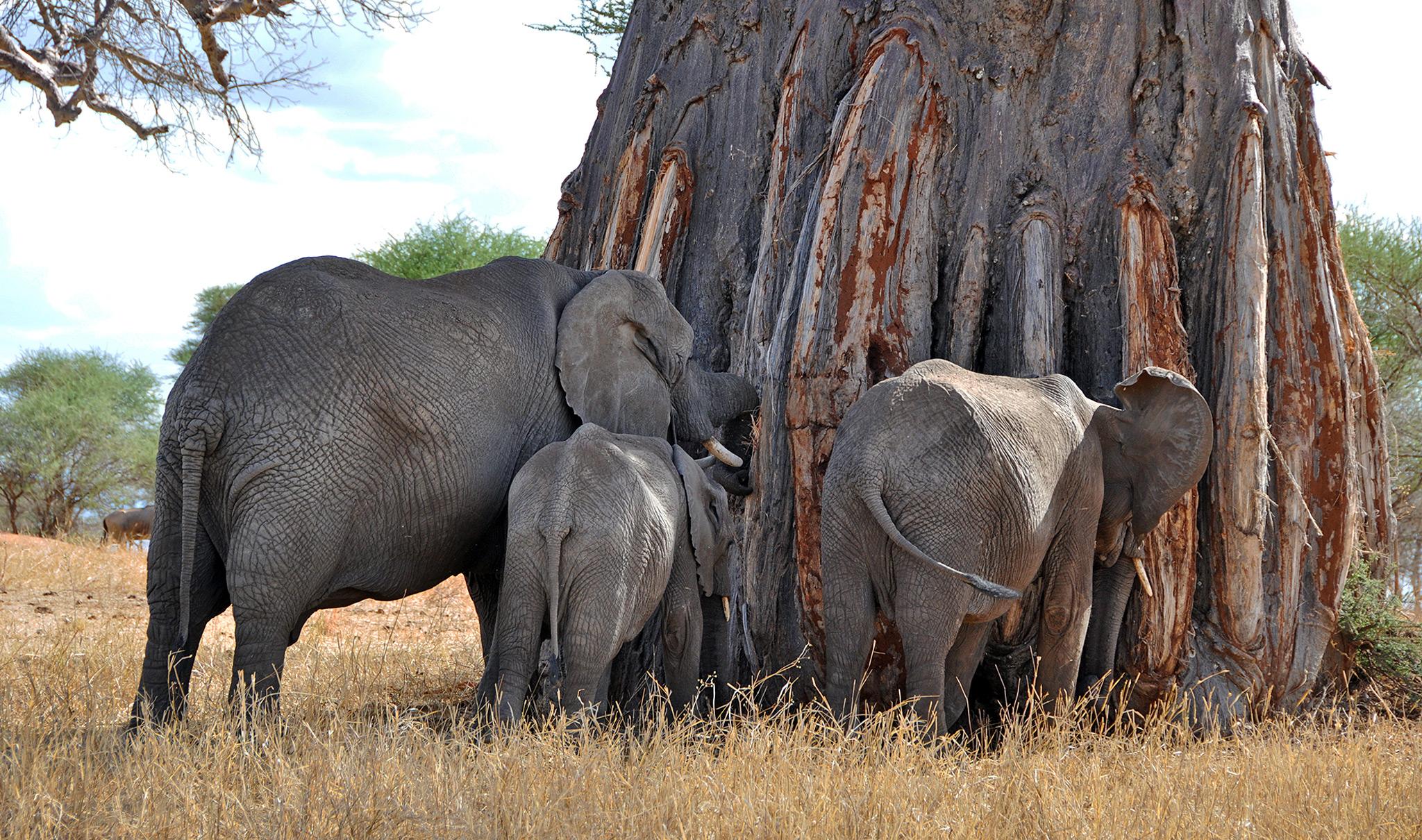
Lake Manyara National Park
Lake Manyara is smaller than the other parks, but it adds variety to a Big Five itinerary. The park is known for its tree-climbing lions, a behavior that is unusual for lions and has been documented in only a few places in Africa. Lake Manyara also has large elephant herds, buffalo, giraffes, and flamingos along the lakeshore. It is often visited as a half-day stop between Tarangire and the Ngorongoro Crater.
Best Time for a Big 5 Safari in Tanzania
The dry season (June to October) is the best time for Big Five viewing. Vegetation thins out, and animals gather around shrinking water sources, making them easier to spot. July through October is the highest-density wildlife viewing period, and it is also when the Great Migration is most active in the northern Serengeti.
However, the green season (November to May) offers some advantages. The shorter grass in Ngorongoro Crater makes rhino photography easier, and this period offers better value with fewer crowds. Many travelers avoid the green season because of the rain, but game viewing remains strong, especially in the crater, where wildlife is not dependent on the migration.
June to October (Dry Season)—Best for overall Big Five viewing, lion prides, and the Great Migration. This is the best all-around game viewing period. The weather is dry, the roads are passable, and animals are concentrated around water sources.
November to May (Green Season) — Best for rhino photography, fewer crowds, and lower prices. The shorter grass in Ngorongoro helps rhino sightings, and the parks are quieter. The long rains fall from March to May, which can make some roads difficult, but the shorter rains in November and December are mild.
How to Plan Your Big 5 Safari
To maximize your chances of seeing all five, we recommend a multi-park itinerary that includes Serengeti, Ngorongoro Crater, and Tarangire. A minimum of 5 to 7 days on safari gives you enough time in each park to track the animals you are most interested in.
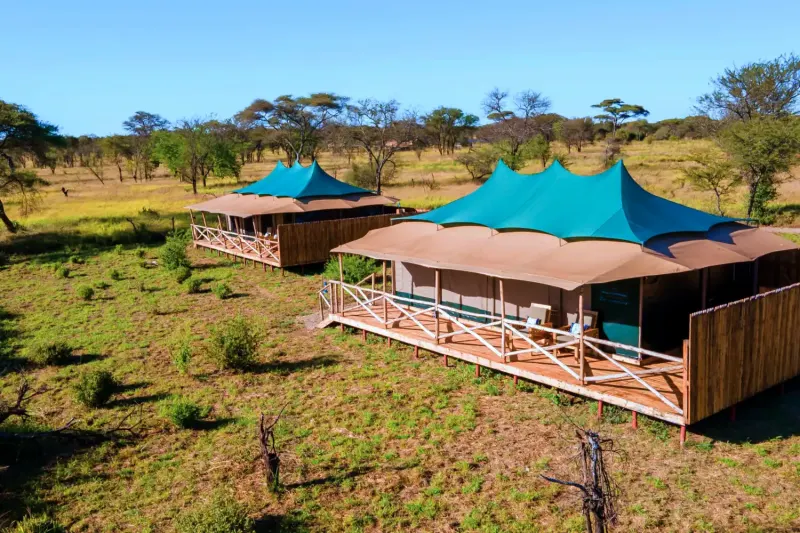
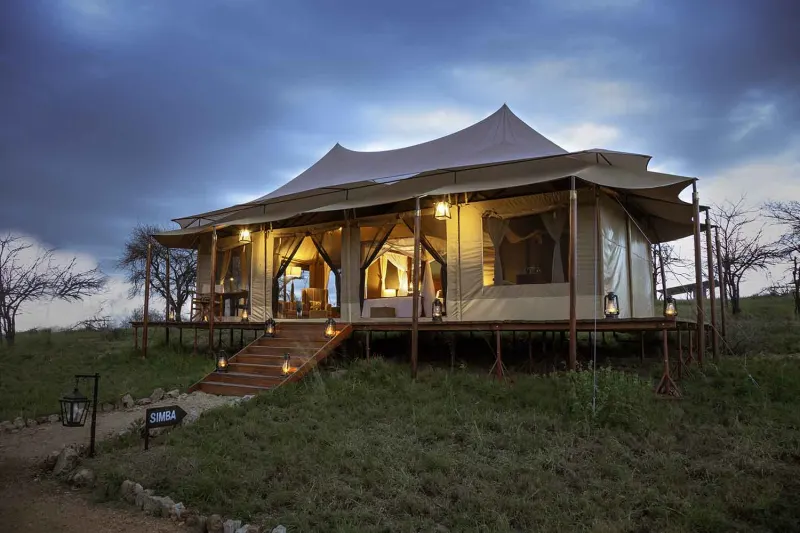
There are a few things to keep in mind when planning. First, the order of the parks matters. Most itineraries start in Tarangire, move to the Serengeti, and finish in Ngorongoro. This route follows the natural flow of the northern circuit and minimizes driving time. Second, the number of nights in each park should reflect what you want to see. If leopards are a priority, spend more time in the Serengeti. If rhinos are a priority, make sure Ngorongoro is on the itinerary. Third, accommodation should be booked early, especially during the dry season, when the best lodges and camps fill up months in advance.
A typical Big Five safari includes private game drives with a dedicated guide and vehicle, park fees, accommodation, and meals. Zaita Tours arranges all of this before you arrive, so you do not have to manage permits, bookings, or logistics during your trip.
Frequently Asked Questions
Q: Can I see the Big Five in Tanzania year-round?
Yes. All five animals are present in Tanzania year-round. The dry season (June to October) offers the best overall viewing conditions, but the green season also works well, especially for rhinos in Ngorongoro.
Q: Which park is best for rhinos in Tanzania?
Ngorongoro Crater. It has a 98% sighting rate for black rhinos, making it the most reliable place in Tanzania to see one.
Q: How many days do I need for a Big Five safari?
A minimum of 5 to 7 days on safari is recommended to visit Serengeti, Ngorongoro, and Tarangire. This gives you enough time to track all five animals across different habitats.
Q: Is the Big Five safari suitable for families?
Yes. Private safaris can be tailored for families, with flexible driving times and accommodations that suit children. The Ngorongoro Crater is particularly good for families because wildlife is easy to spot.
Q: Which is the hardest of the Big Five to see?
The leopard. Leopards are solitary, nocturnal, and well camouflaged, which makes them difficult to spot. The Seronera Valley in the Serengeti is the best place to look for them.
Q: Do I need a private safari to see the Big Five?
No, but a private safari gives you more flexibility. With a private guide and vehicle, you can stay longer at a sighting, change your route based on recent wildlife reports, and avoid the crowds that gather around popular sightings.