Zaita Tours
Southern Tanzania Safari

The Safari Circuit That Lets You Breathe

Nyerere, Ruaha, and Mikumi—wild spaces, fewer vehicles, and wildlife on your own terms.

Plan My Southern Safari

Southern Tanzania Safari: The Circuit That Lets You Breathe

Most people picture a safari in Tanzania as a shared experience. A dozen vehicles gathered around a lion, radios crackling, everyone angling for the same photo. That is the northern circuit on a busy day. The southern circuit is the opposite. Here, you can drive for hours without seeing another vehicle. The wilderness feels like it belongs to you.

Southern Tanzania is not a consolation prize for travellers who missed the Serengeti migration. It is a different kind of safari entirely—one built on space, patience, and the quiet thrill of finding wildlife on your own terms.

What Makes the South Different

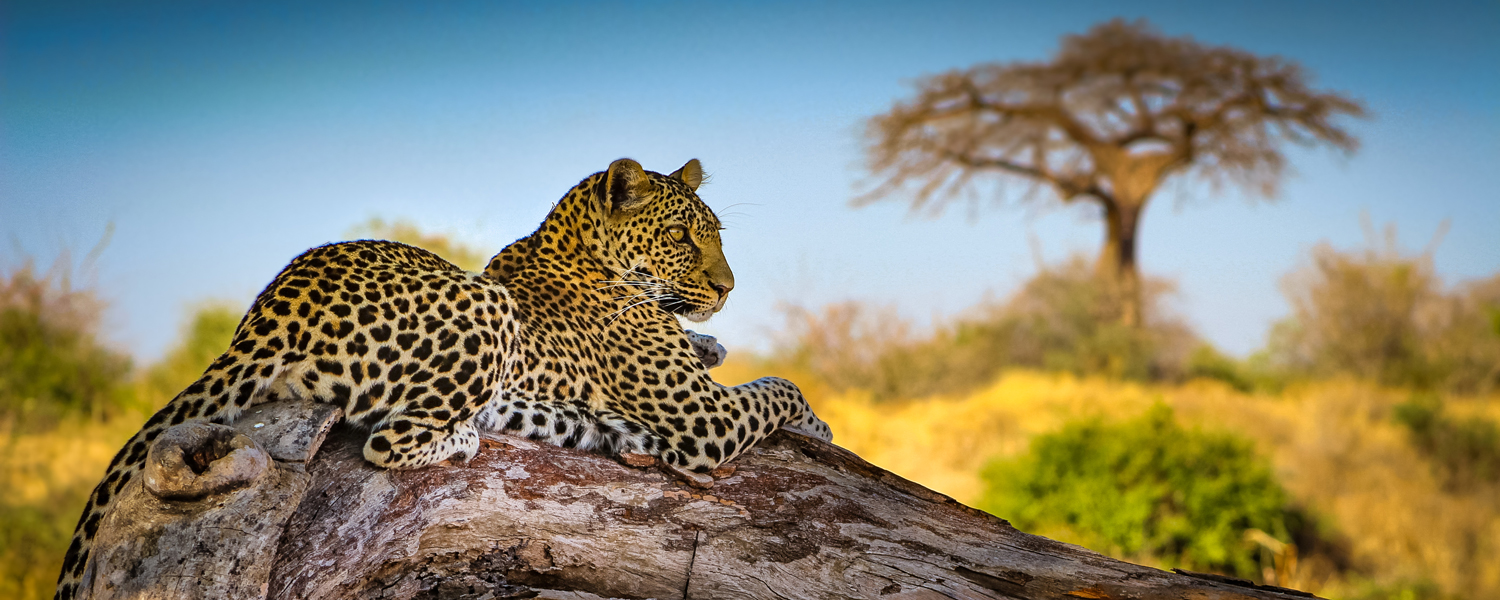
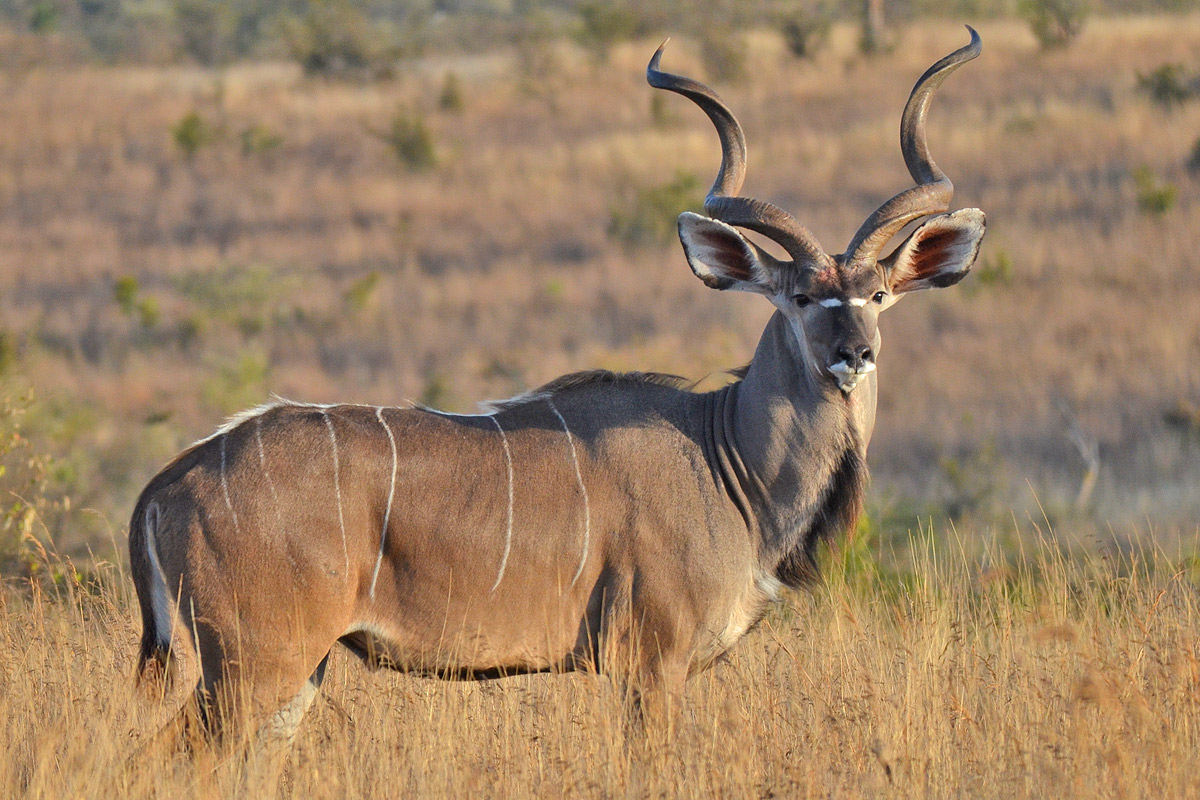
The landscape itself is the first clue. The northern parks are classic savanna: golden grass, flat-topped acacias, and endless horizons. The south is dominated by miombo woodland—a vast, undulating sea of broadleaf trees that shifts color through the dry season, from green to copper to ash. The wildlife that lives here is different too. You will not see wildebeest in their millions, but you will see greater kudu with their elegant spiralling horns, sable antelope, and roan antelope—species that are rare or absent in the north.

The other difference is what you can do. In the north, walking safaris are restricted to a handful of private conservancies. In the south, they are built into the experience. You walk from camp to a breakfast spot a kilometer away. You track a wild dog on foot with an armed ranger. You fall asleep to the sound of hippos in the river, close enough that the noise feels like it is inside your tent.


The Parks That Make Up the Southern Circuit

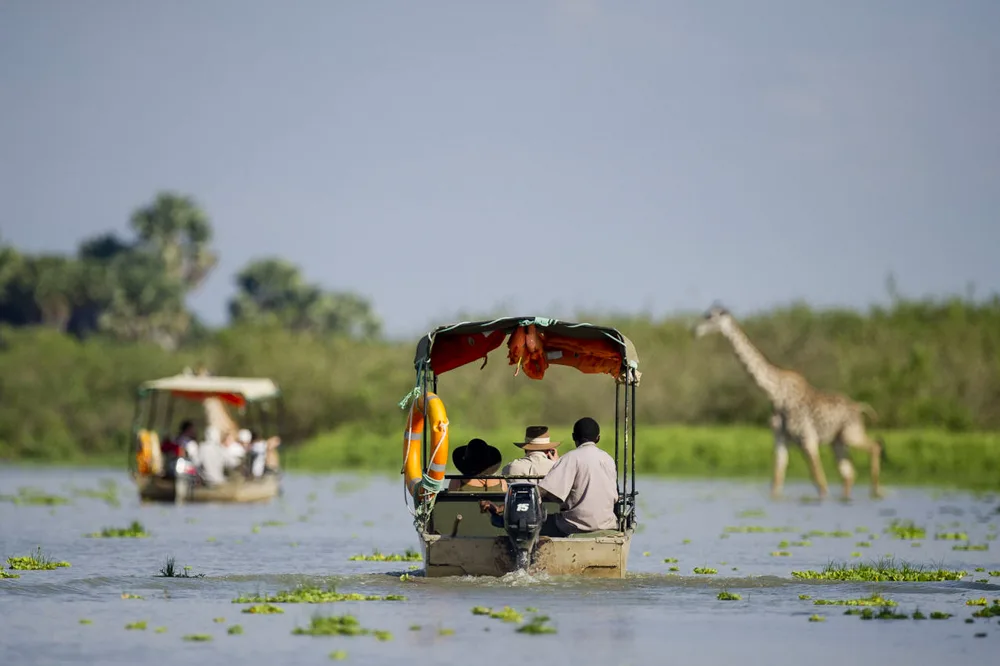
Nyerere National Park (formerly Selous Game Reserve) is the anchor of the south. It is one of the largest protected areas in Africa, and its defining feature is the Rufiji River—a broad, lazy waterway that draws hippos, crocodiles, and elephants to its banks. The park is best experienced from the water as much as from the vehicle. A boat safari here is not a side activity; it is the main event for many visitors, offering a perspective on wildlife you simply cannot get from a game drive.

Ruaha National Park is the other heavyweight. It is Tanzania's largest national park by a significant margin, larger than the Serengeti, yet it receives a fraction of the visitors. The Great Ruaha River bisects the park, creating dramatic gorges and concentrations of wildlife during the dry season. Ruaha is known for its elephants—some of the largest herds in East Africa—and for its lions, which live in large prides adapted to hunting buffalo. It is also one of the most reliable places in Africa to see African wild dogs, a species that has vanished from much of its former range.

Mikumi National Park is the accessible one. It sits a few hours' drive from Dar es Salaam, which makes it the easiest southern park to reach without internal flights. It is smaller and busier than Ruaha or Nyerere, but it delivers reliable wildlife viewing—elephants, lions, giraffes, zebras, and buffalo—and it works well for travelers with limited time or a tighter budget.

Udzungwa Mountains National Park is the wildcard. It is not a traditional game-drive park. It is a rainforest, often called the "Galápagos of Africa," home to primate species found nowhere else, including the Iringa red colobus and the Sanje crested mangabey. If you are a hiker or a birder, a day here adds a completely different dimension to a southern safari.

When to Go

The southern circuit has a narrower window than the north. The dry season, from June to October, is the best time to visit. Water sources shrink, animals concentrate around the Rufiji and Great Ruaha rivers, and road conditions are at their best.

July and August are the peak months. The Rufiji is at optimal levels for boat safaris, wild dog denning season is underway, and game viewing is at its most concentrated. September and October remain excellent, with slightly fewer visitors and still-strong wildlife viewing.

The long rains from March to May bring heavy downpours, impassable roads, and closed camps. Many lodges shut entirely during this period. The short rains in November are less disruptive but still make wildlife viewing more variable, as animals disperse when water becomes available throughout the park.


How Many Days You Need

The South punishes rushed itineraries. Distances are long, and internal flights eat into your time. A Nyerere-only trip works in five days. A Nyerere and Ruaha combination needs at least seven days to feel worthwhile. If you want to add Mikumi or Udzungwa, budget ten days or more.

The best southern itineraries have fewer camps and longer stays. Three nights in one park beats one night in three parks. The wilderness here rewards patience, not speed.


The Bush-to-Beach Secret

Southern Tanzania pairs more naturally with Zanzibar than the northern circuit does. Nyerere is closer to the coast, and a fly-in safari followed by a speedboat transfer to the island is logistically seamless. You are heading south anyway; the Indian Ocean is right there.

This combination—wilderness followed by beach, without the crowds of the north—is one of Tanzania's best-kept travel secrets. If you want a safari that feels like discovery rather than a checklist, the South delivers it.

See the South for Yourself

Prefer to talk first? Send us a message and we will reply within one business day.

Tanzania Travel Stories and Tips

Tanzania Safari More Than Vacation
03 Jun, 2026  ·  Adventure Safari
Tanzania Safari More Than Vacation
View Post
Hadzabe Tribe Tanzania
03 Jun, 2026  ·  Cultural Exploration
Hadzabe Tribe Tanzania
View Post