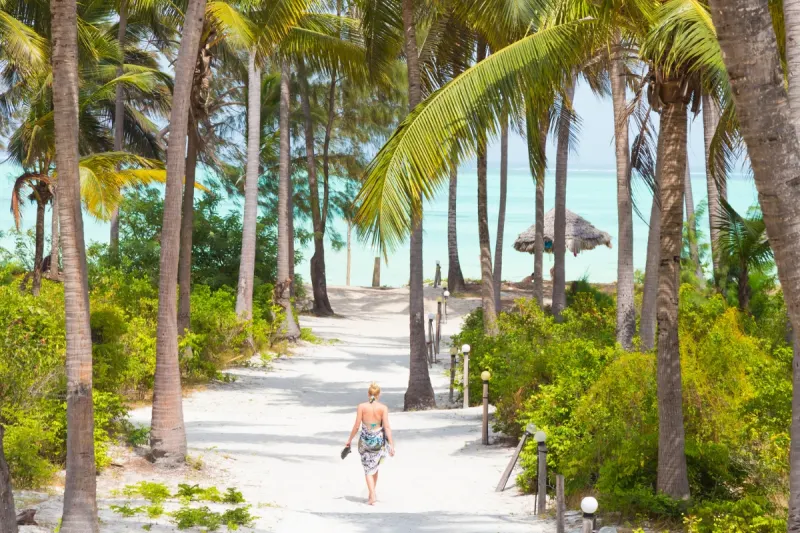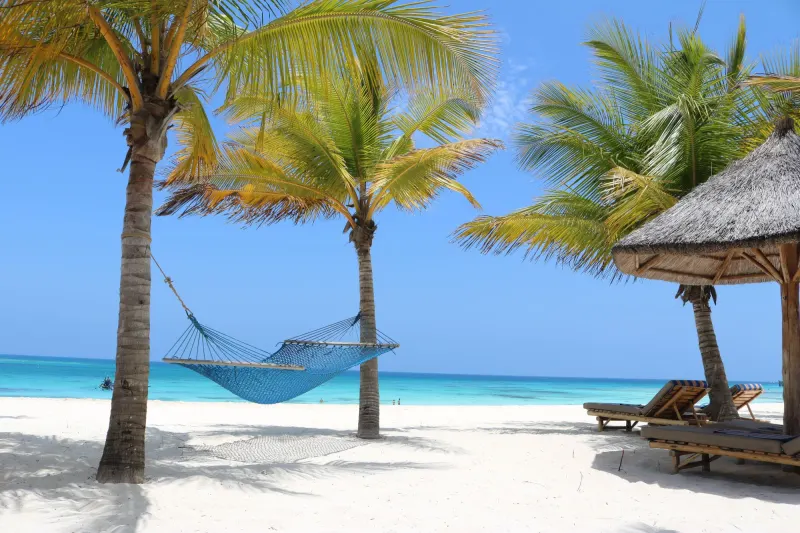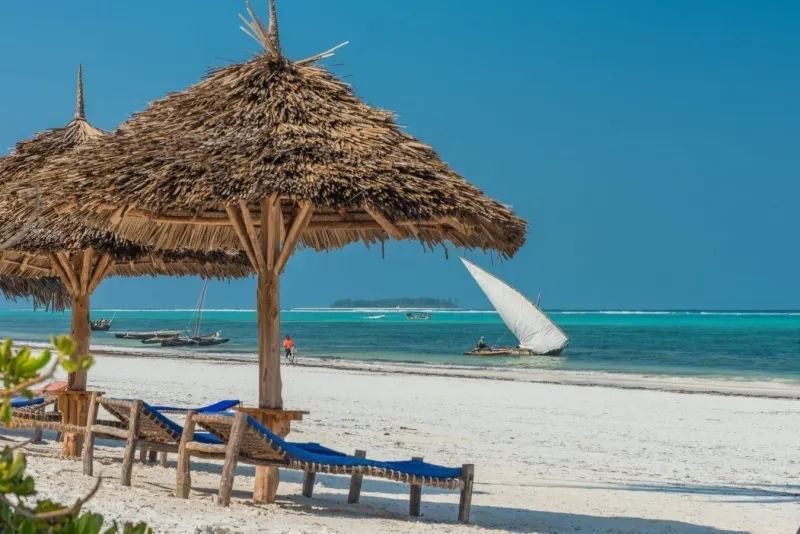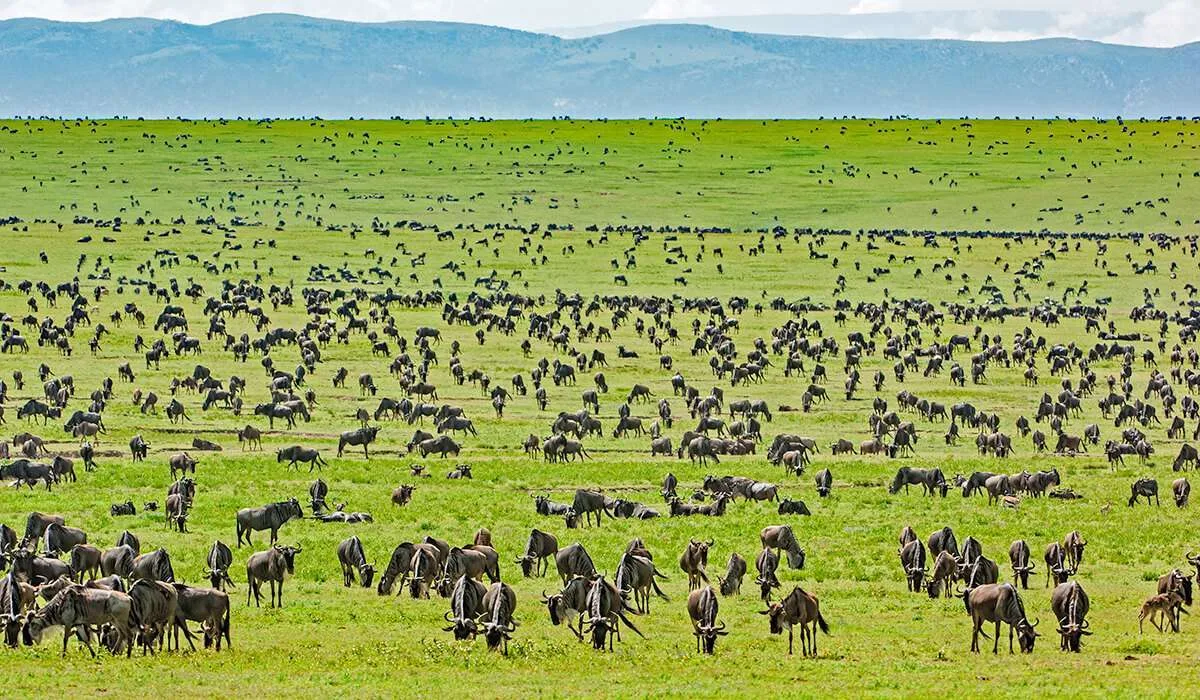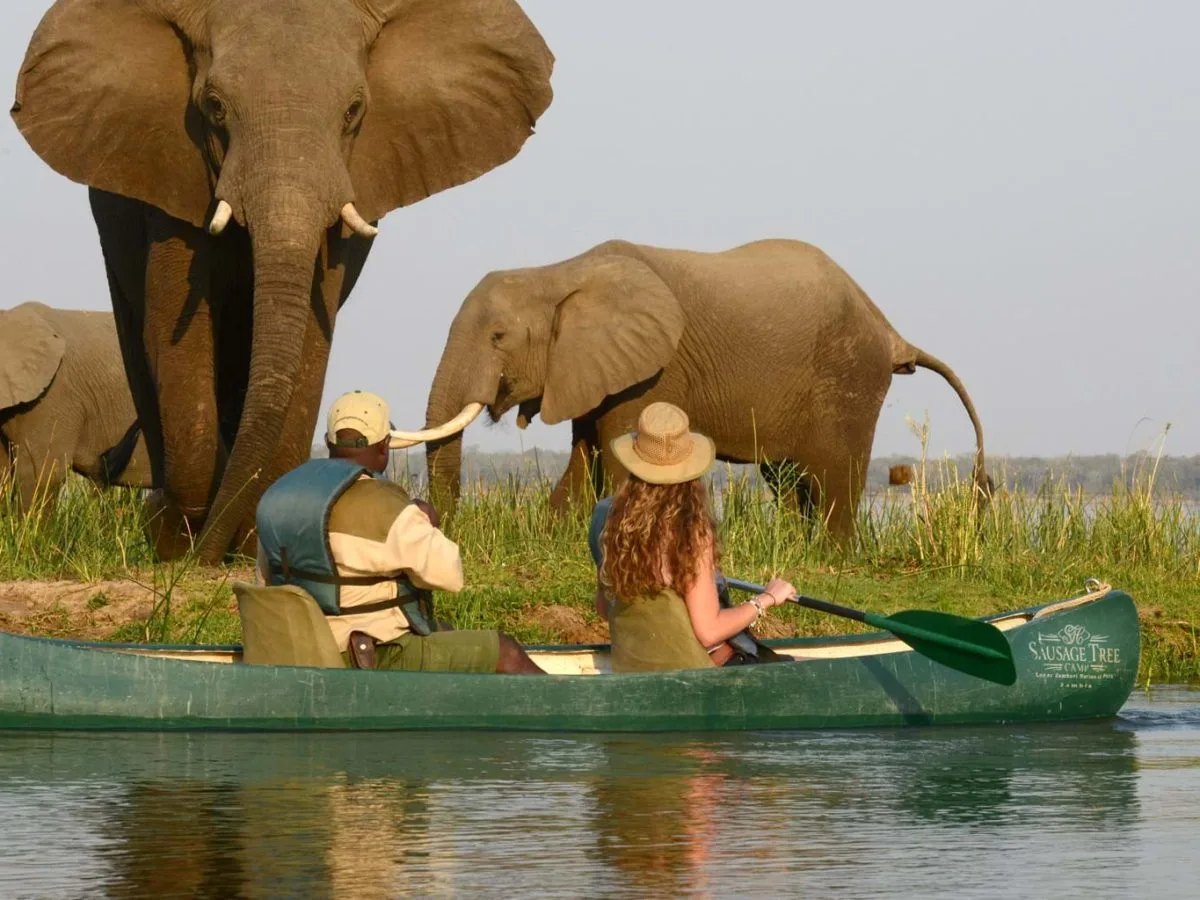
Zanzibar is an archipelago off the coast of Tanzania, made up of Unguja, Pemba, and several smaller islands. It is best known for three things: Stone Town, a UNESCO World Heritage Site with Swahili, Arab, Indian, and European influences; the spice farms that gave the island its "Spice Island" nickname; and the beaches on the north and east coasts, including Nungwi, Kendwa, Paje, and Jambiani. Most travelers visit Zanzibar as a beach add-on after a Tanzania safari or Kilimanjaro climb, though the island works as a standalone trip too.
About Zanzibar
Where Zanzibar Is
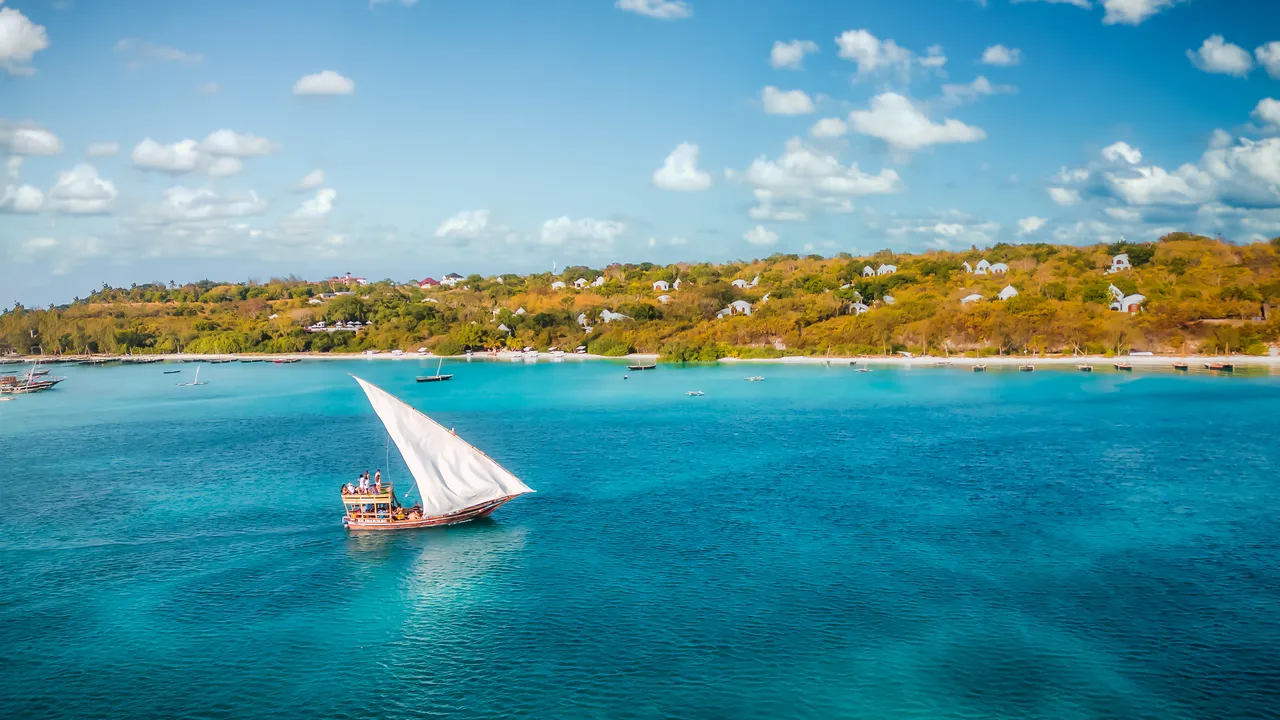
Zanzibar sits in the Indian Ocean, roughly 25 to 50 kilometers off the coast of mainland Tanzania. The main island, Unguja, is where most visitors stay. The smaller Pemba Island, to the north, is quieter and less developed. Ferries run between Dar es Salaam and Stone Town, and flights connect Zanzibar to Arusha, Kilimanjaro International Airport, and other East African cities.
A Short History
Zanzibar's history is shaped by centuries of trade. Arab traders, Persian settlers, Indian merchants, and European colonizers all left their mark. By the 19th century, Zanzibar had become one of the world's leading producers of cloves and a major hub for the East African slave trade. The island gained independence from Britain in 1963 and later joined with Tanganyika to form Tanzania. That layered history is why Stone Town looks the way it does today.
Stone Town: A UNESCO World Heritage Site
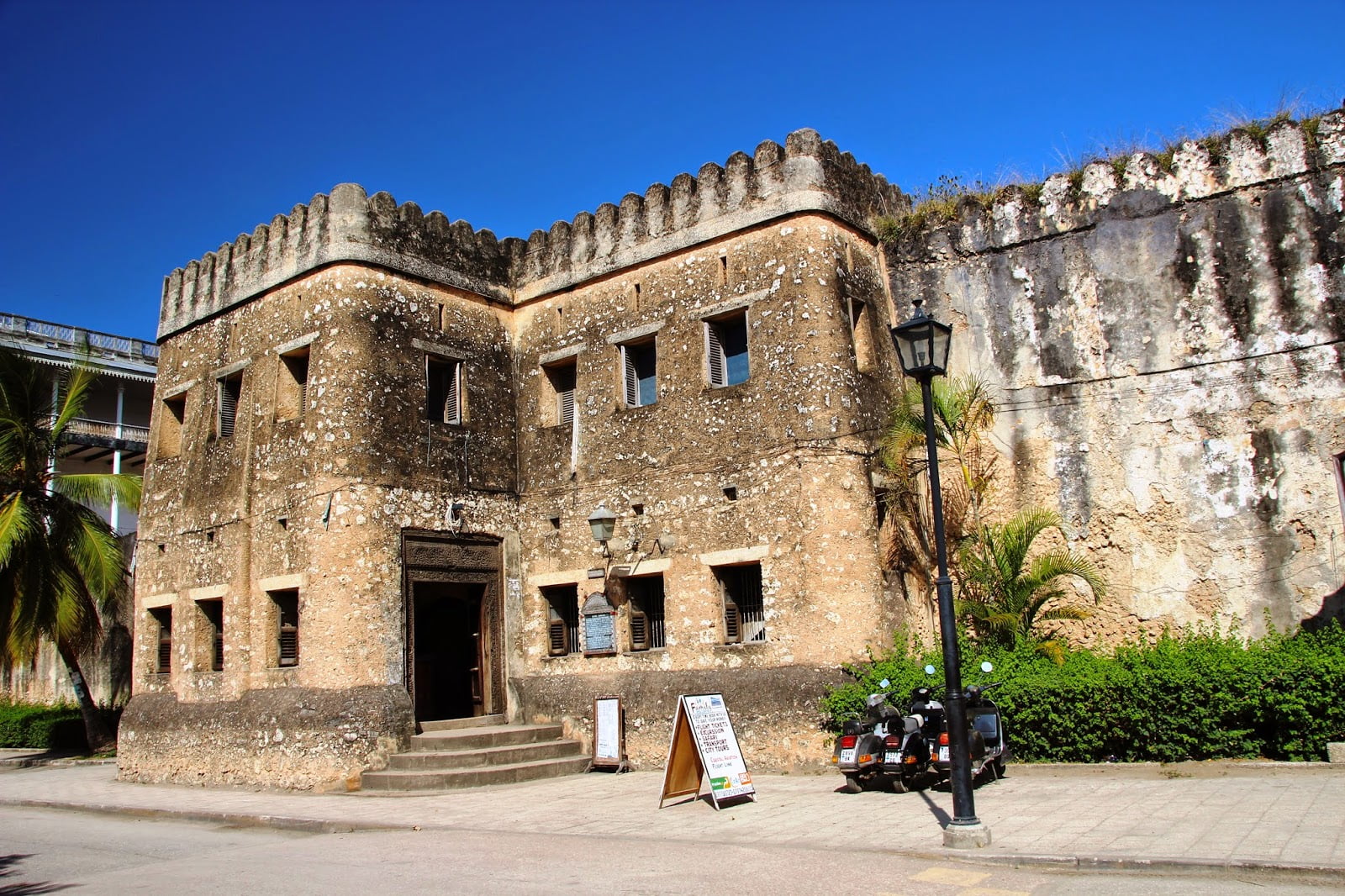
Stone Town is the historic heart of Zanzibar City and a UNESCO World Heritage Site. Its winding alleys, carved wooden doors, and coral-stone buildings reflect the island's mixed heritage. It is a place to walk slowly, get a little lost, and stop often.
Key Attractions in Stone Town
The Old Fort (Ngome Kongwe)
Built by the Omanis in the 17th century, the Old Fort is the oldest building in Stone Town. It now hosts cultural events, a small market, and a handful of shops and cafés. It is a good first stop when exploring the area.
House of Wonders (Beit-al-Ajaib)
Once a sultan's palace, the House of Wonders was one of the first buildings in East Africa to have electricity and an elevator. It is currently under restoration, but the exterior and its history remain worth seeing.
Forodhani Gardens
Forodhani Gardens is a waterfront park that comes alive in the evening. Street vendors set up grills and sell freshly cooked seafood, Zanzibar pizza, and sugarcane juice. It is one of the best places to try local food in a casual setting.
The Old Slave Market and Anglican Cathedral
The site of the former slave market is now home to the Anglican Cathedral and a memorial museum. It is a sobering but important stop for understanding Zanzibar's history.
Spice Tours
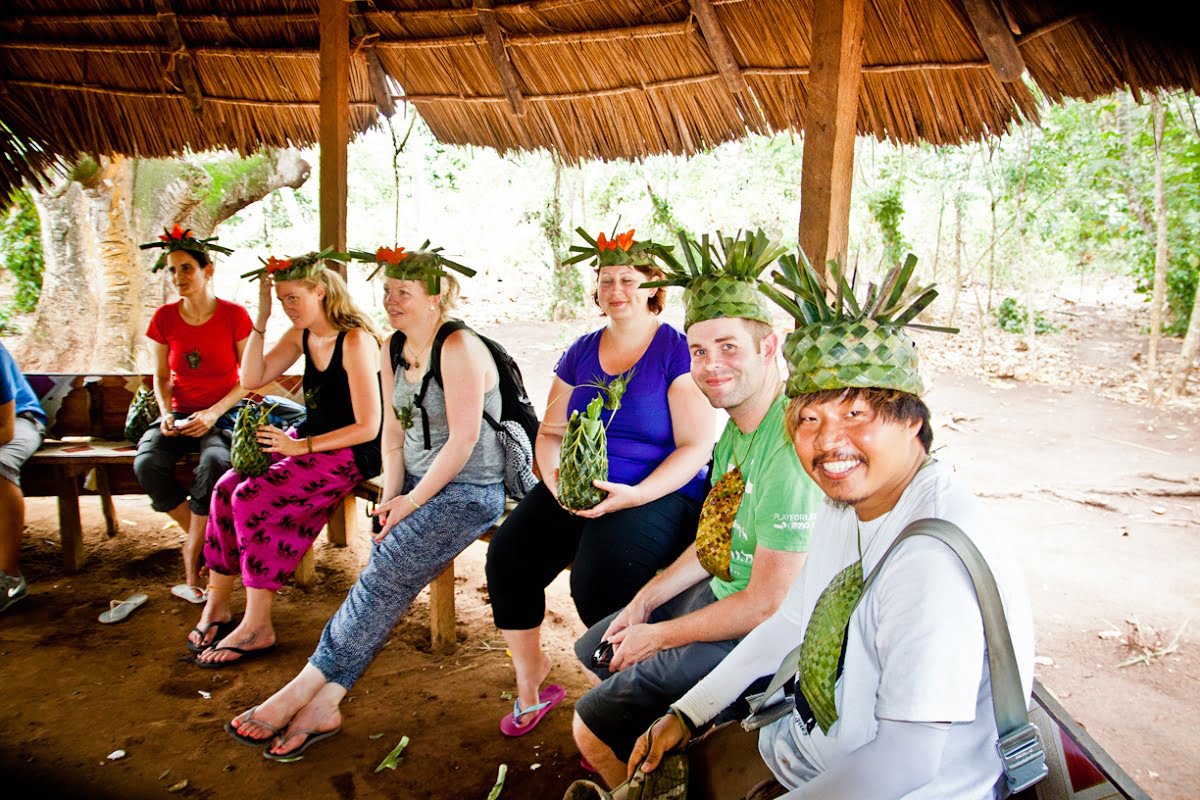
Zanzibar is known as the "Spice Island" for good reason. Cloves, nutmeg, cinnamon, black pepper, and vanilla have been grown here for centuries, and spice tours remain one of the island's most popular activities. A typical tour takes you through a working farm where you can see, smell, and taste spices still growing. Guides explain how each one is cultivated and used, and most tours end with a chance to buy fresh spices directly from the farm.
Spice farms are concentrated in the central and northern parts of Unguja, near Kidichi, Kizimbani, and Mangapwani. Half-day tours are the most common.
Zanzibar's Best Beaches
Nungwi and Kendwa
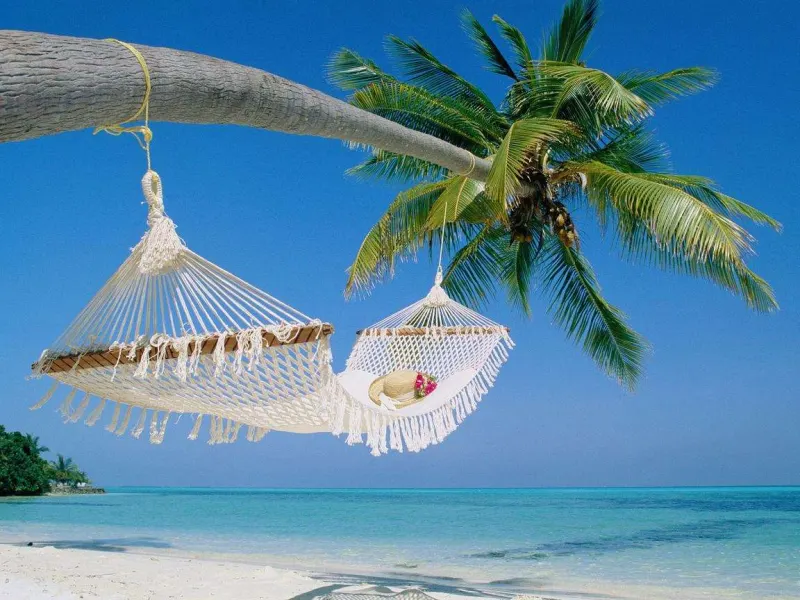
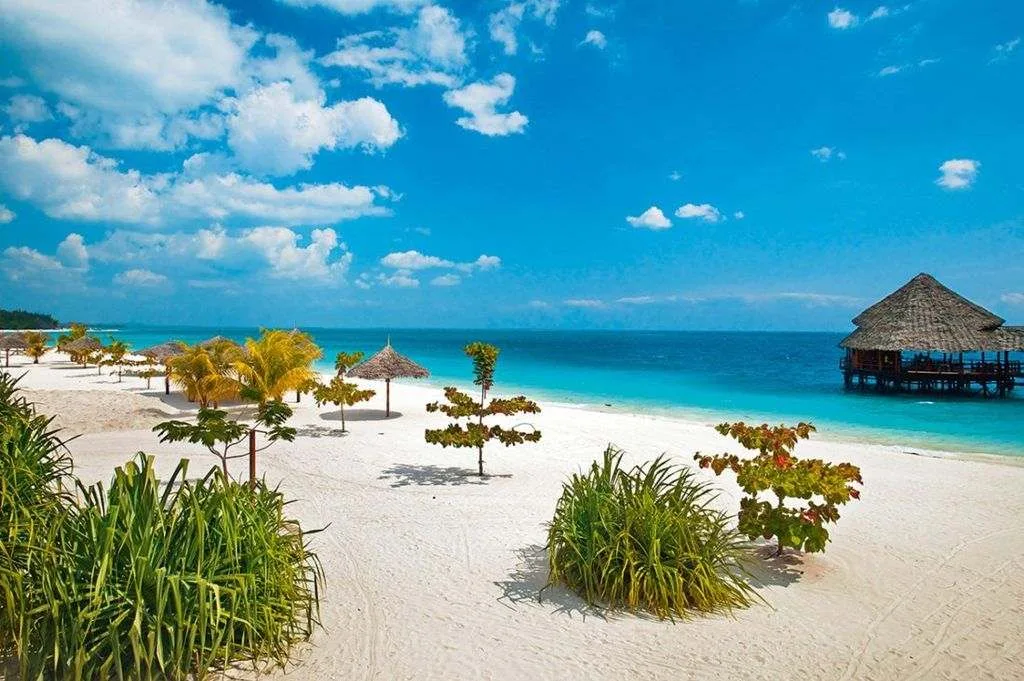
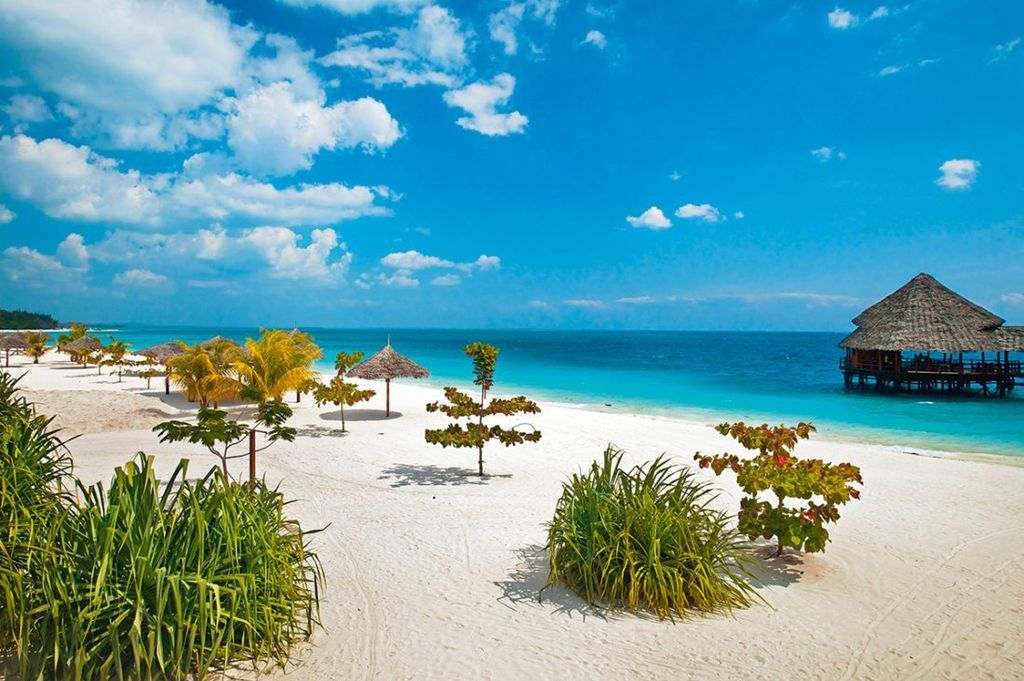
Nungwi and Kendwa sit on the northern tip of Unguja and are home to some of the island's best beaches. The sand is white and powdery, the water is clear and turquoise, and the tides are mild, which makes swimming possible throughout the day. Nungwi has more nightlife, with beachside bars and restaurants. Kendwa is quieter and better suited to travelers who want a relaxed stay.
Paje and Jambiani
On the southeast coast, Paje and Jambiani are known for kite surfing. The winds are consistent, the water is shallow, and several schools offer lessons for beginners. The area is also a good base for exploring local village life and eating fresh seafood at beachside restaurants. The tides here are more dramatic, so the beach looks different depending on the time of day.
Mnemba Atoll
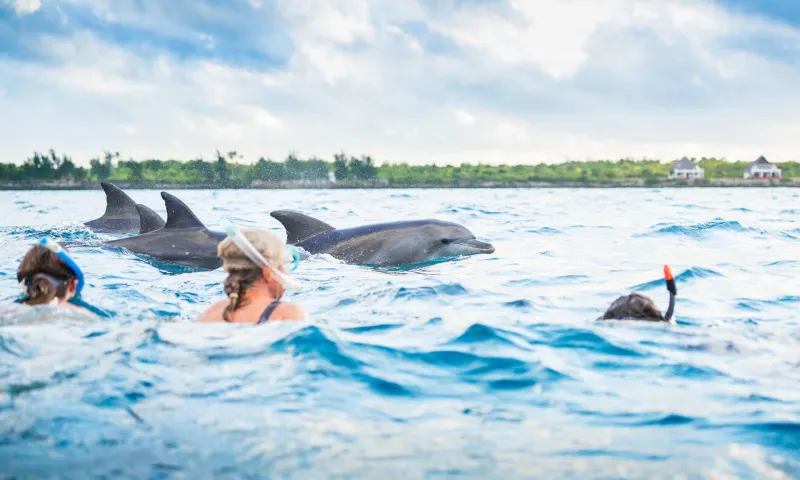
Mnemba Atoll is a protected marine reserve off the northeast coast and one of the best snorkeling and diving spots in Zanzibar. The reefs are healthy, with colorful fish, turtles, and sometimes dolphins. Day trips run from Nungwi and Matemwe, and most include snorkeling gear and lunch.
Wildlife and Nature
Jozani Chwaka Bay National Park
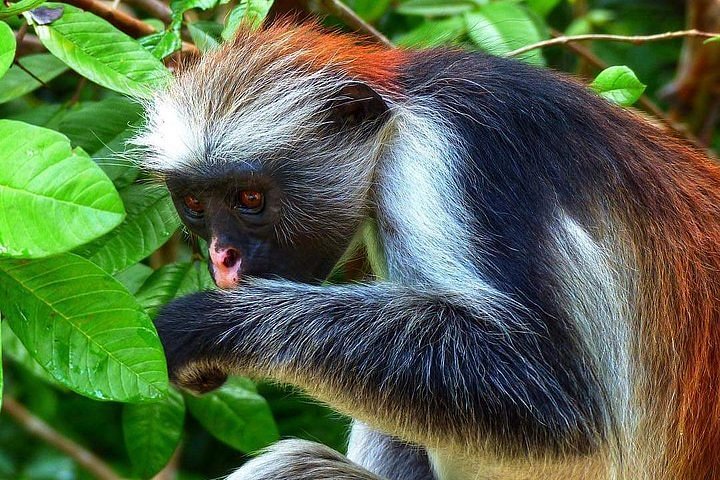
Jozani Chwaka Bay is Zanzibar's only national park and the best place to see the rare Zanzibar red colobus monkey, which is endemic to the island. Guided walks take you through mangrove forest and groundwater forest, where you may also spot bushbabies, Sykes' monkeys, and a wide range of birdlife. The park is about 30 minutes by road from Stone Town.
Prison Island (Changuu Island)
Prison Island, also known as Changuu Island, is a short boat ride from Stone Town. It was originally built as a quarantine station for yellow fever patients and later used as a prison. Today it is best known for its population of giant Aldabra tortoises, some of which are over 100 years old. The island also has a small beach and snorkeling area.
Zanzibari Food
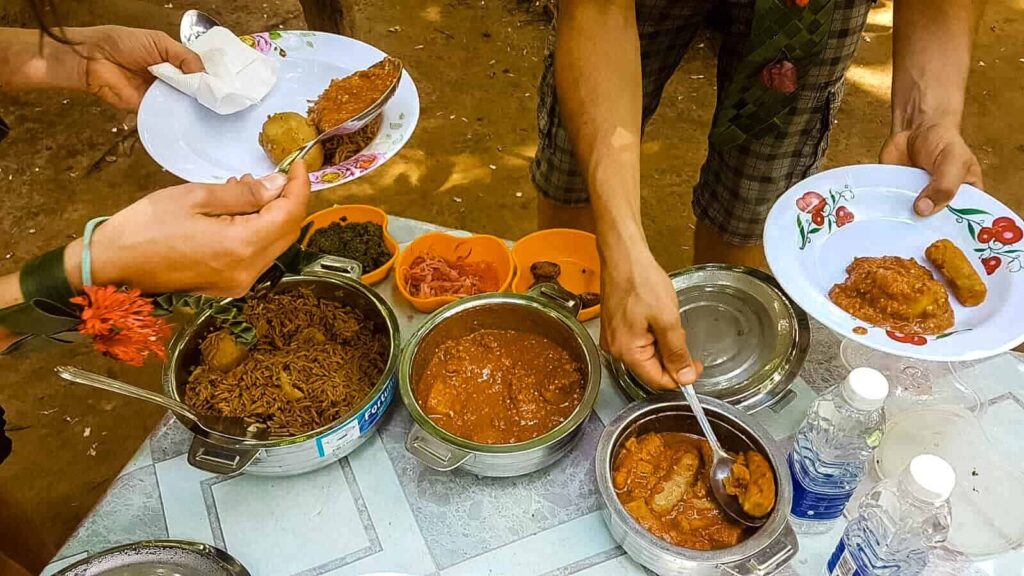
Zanzibari food reflects the island's history, blending African, Arab, Indian, and European influences. Must-try dishes include:
- Zanzibar Pizza—a street food staple made with thin dough, filled with meat, vegetables, egg, and cheese, then fried until crisp. Despite the name, it is closer to a stuffed pancake than a pizza.
- Urojo (Zanzibar Mix)—a tangy soup with fritters, boiled potatoes, and assorted toppings. It is one of the most popular street foods on the island.
- Seafood—lobster, prawns, octopus, and reef fish, usually grilled and seasoned with local spices.
- Pilau and Biryani—spiced rice dishes served with meat or vegetables, common in both homes and restaurants.
- Fresh fruit—mangoes, papayas, pineapples, and coconuts, widely available at markets and roadside stalls.
Forodhani Gardens in Stone Town is the best place to try several dishes in one evening.
Best Time to Visit Zanzibar
Zanzibar has two dry seasons and two rainy seasons.
Dry seasons (June to October and December to February) are the best time to visit. The weather is warm and dry, the water is clear, and conditions are ideal for beach activities, snorkeling, and diving. December to February is hotter, while June to October is cooler and drier.
Long rains (March to May) bring heavy afternoon downpours and higher humidity. Many beach hotels close during this period, and some roads become difficult to navigate.
Short rains (November) are milder, with brief showers that usually pass quickly. It is a quieter time to visit, and prices are often lower.
How to Get to Zanzibar
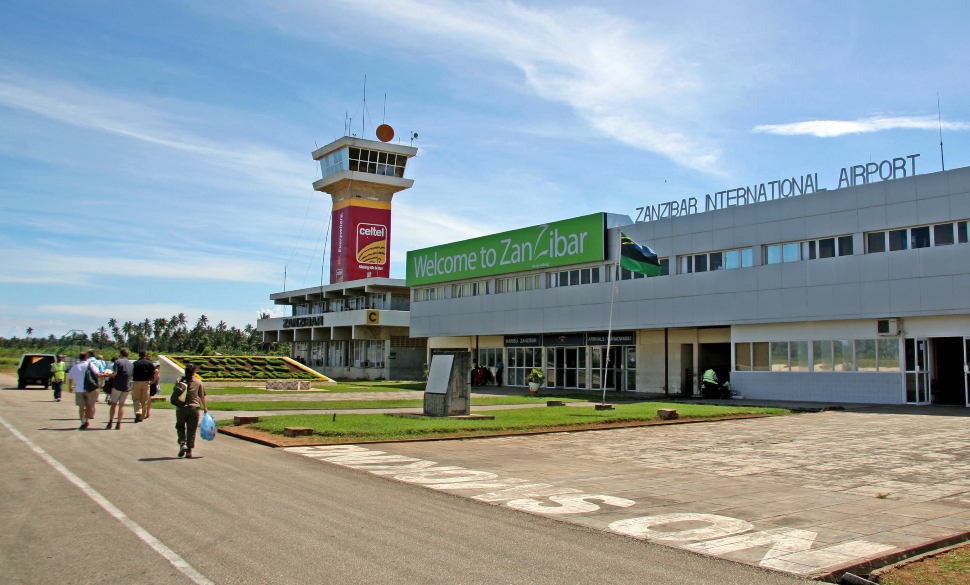
By air: Zanzibar International Airport (ZNZ) receives direct flights from Arusha, Dar es Salaam, Kilimanjaro International Airport (JRO), Nairobi, Doha, Dubai, and several European cities. Flights from Arusha take about 1 hour 15 minutes.
By ferry: Ferries run between Dar es Salaam and Stone Town several times a day. The crossing takes about 2 hours. Book in advance during high season.
From a safari or Kilimanjaro climb: Most travelers fly from Arusha or Kilimanjaro International Airport to Zanzibar after their safari or climb. Zaita Tours arranges this transfer as part of any Zanzibar add-on.

Travel Tips for Zanzibar
- Currency: The Tanzanian Shilling is the local currency, but US dollars are widely accepted at hotels and tour operators. ATMs are available in Stone Town and at the airport.
- Language: Swahili is the official language. English is widely spoken in tourist areas.
- Health: Yellow fever vaccination is required if you are arriving from a yellow fever zone. Malaria precautions are recommended.
- Dress code: Zanzibar is predominantly Muslim. Dress modestly in Stone Town and villages. Beachwear is fine at resorts and beaches.
- Ramadan: If you visit during Ramadan, expect some restaurants and shops to have reduced hours.
- Tipping: Tipping is customary but not mandatory. 10% at restaurants and small amounts for guides and drivers are standard.
Frequently Asked Questions
Q: How many days should I spend in Zanzibar?
Most travelers spend 3 to 5 nights. This is enough time for a night or two in Stone Town and a few days at the beach. Longer stays suit travelers who want to explore Pemba or take diving courses.
Q: Can I combine Zanzibar with a Tanzania safari or Kilimanjaro climb?
Yes. Zanzibar is the most common beach add-on after a safari or climb. Most travelers fly from Arusha or Kilimanjaro International Airport to Zanzibar at the end of their trip.
Q: Is Zanzibar safe for tourists?
Yes, Zanzibar is generally safe. As with any destination, take standard precautions: avoid walking alone at night, keep valuables secure, and use registered taxis or hotel transport.
Q: What is the best beach in Zanzibar?
Nungwi and Kendwa in the north are best for swimming and nightlife. Paje and Jambiani in the southeast are best for kite surfing and a quieter atmosphere. Mnemba Atoll is best for snorkeling and diving.
Q: Do I need a visa for Zanzibar?
Zanzibar is part of Tanzania, so the same visa rules apply. Most nationalities can get a visa on arrival or an e-visa before travel. Check with your embassy for current requirements.
Q: What should I pack for Zanzibar?
Light clothing, swimwear, sunscreen, insect repellent, and a modest outfit for Stone Town and villages. A light rain jacket is useful during the rainy seasons.