Lake Eyasi · Manyara · Serengeti National Park
Luxury Tanzania Safari 7 Days
- 7 Days / 6 Night
- Up to 6

Tarangire National Park sits in northern Tanzania, about 120 kilometers south of Arusha. It covers roughly 2,850 square kilometers and is named after the Tarangire River, which runs through the park and draws wildlife from across the region during the dry season. The park is best known for its large elephant herds, its iconic baobab trees, and its wide variety of birdlife, with over 500 species recorded. It also offers a different landscape from the open plains of the Serengeti, with river valleys, swamps, and woodland that make game viewing feel more varied. Whether you visit as part of a Tanzania safari experience or as a day trip from Arusha, Tarangire rewards travelers who take the time to explore it.
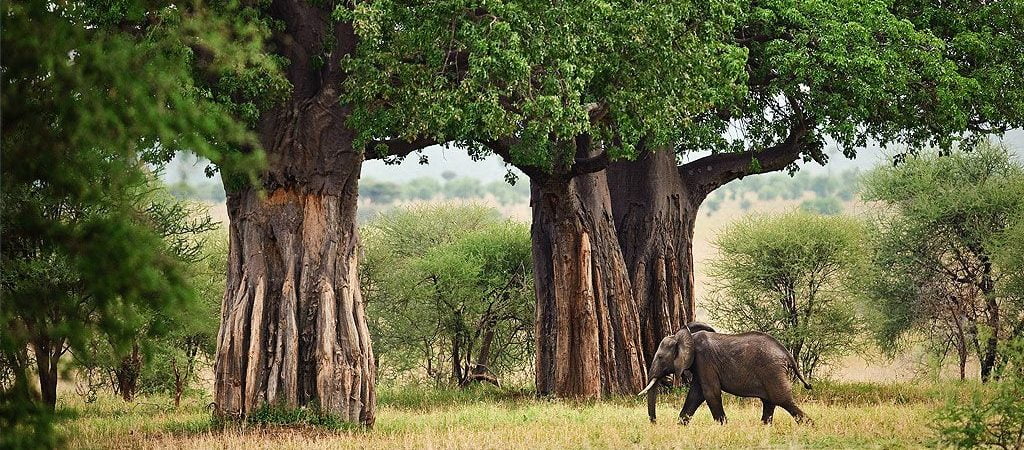
Diverse Animal Populations
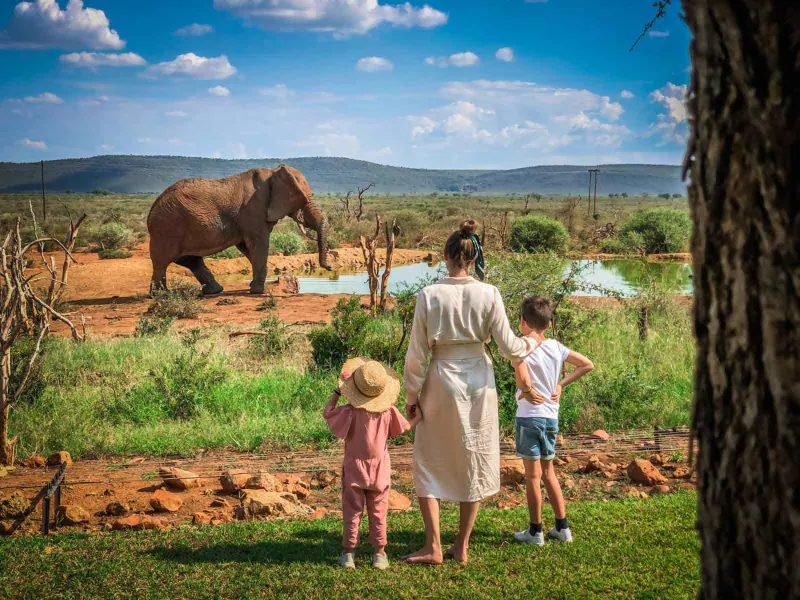
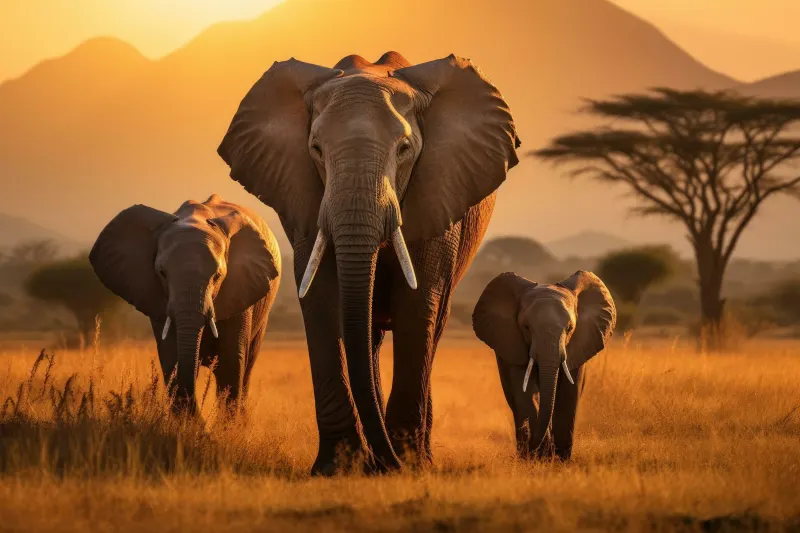
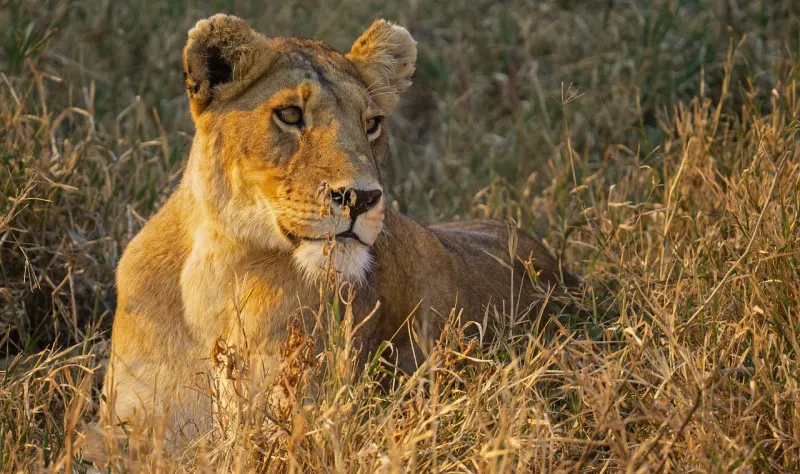
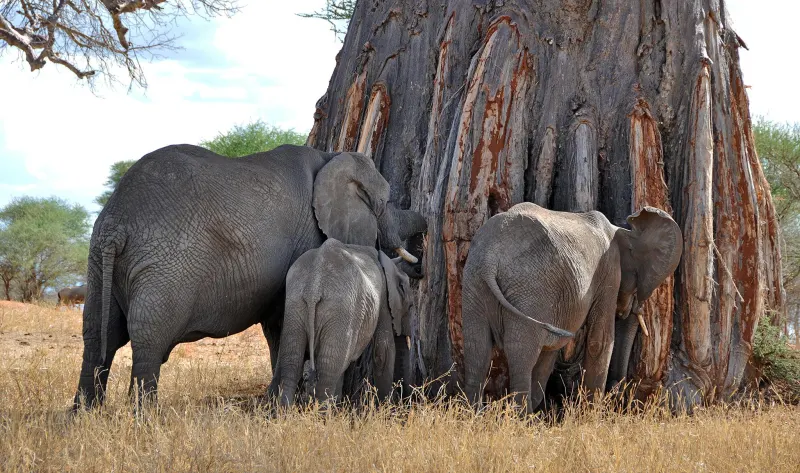
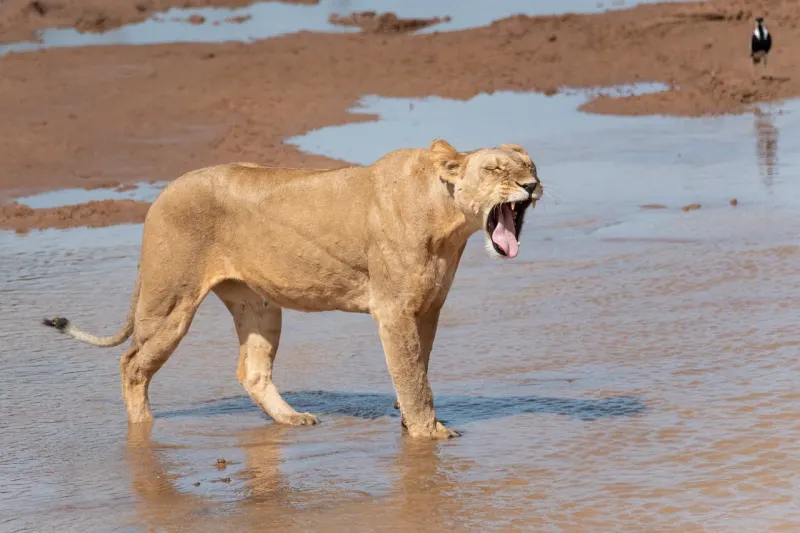
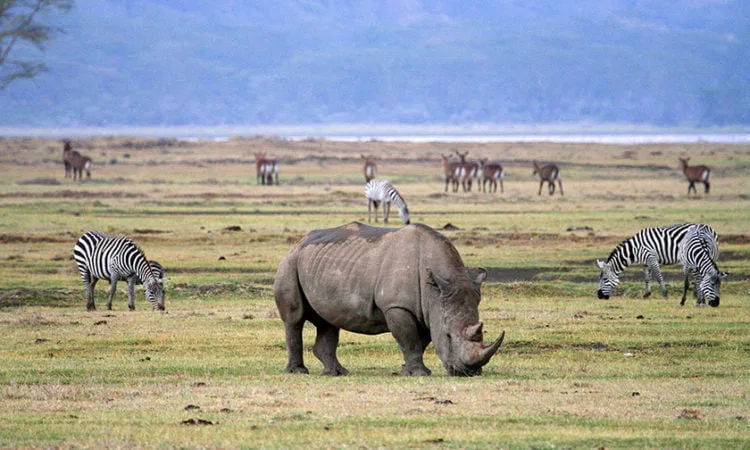
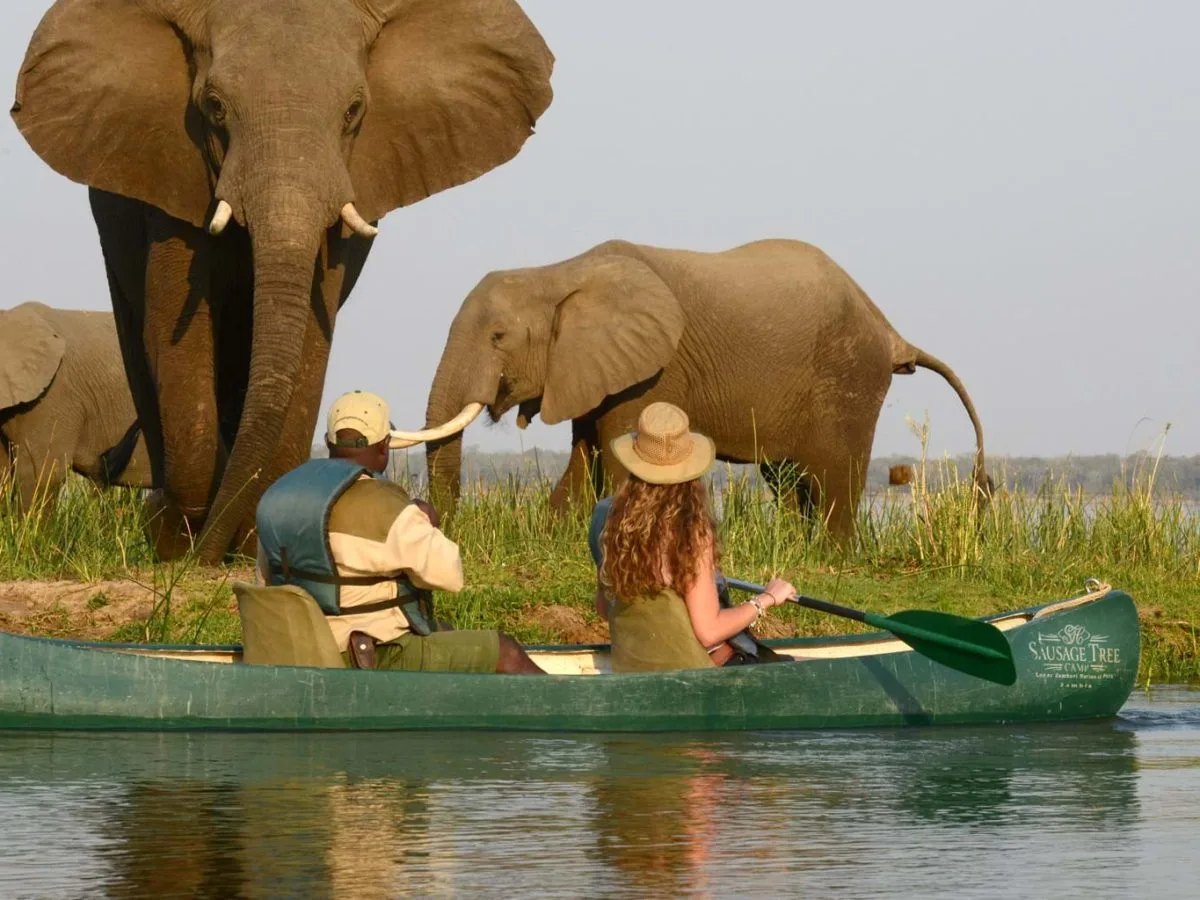
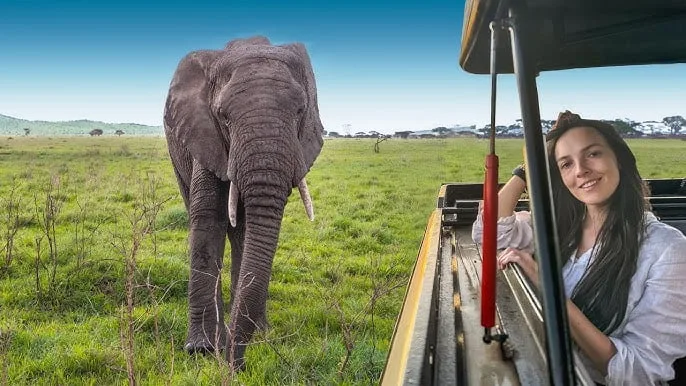
Tarangire National Park is famous for its abundant wildlife. The park is home to one of the largest concentrations of elephants in Tanzania, with herds often seen roaming the plains and gathering near the Tarangire River. In addition to elephants, visitors can encounter lions, leopards, cheetahs, giraffes, buffaloes, and a variety of antelope species, making for an exciting and varied game viewing experience.
Birdwatcher's Paradise
With over 550 bird species recorded, Tarangire is a paradise for birdwatchers. The park’s diverse habitats, including wetlands, grasslands, and woodlands, attract a wide range of birdlife. Notable species include the vibrant yellow-collared lovebird, the majestic African fish eagle, and the rare ashy starling, which is endemic to Tanzania.
Iconic Baobab Trees
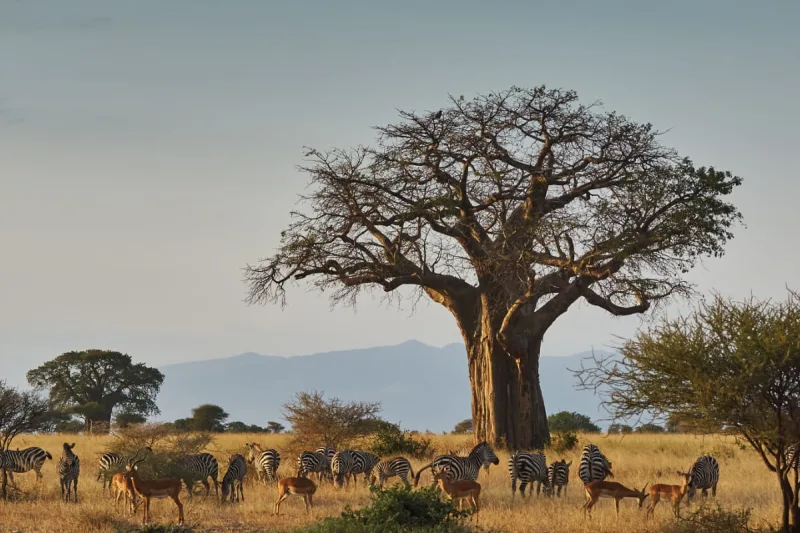
One of the most striking features of Tarangire National Park is its iconic baobab trees. These ancient giants, some of which are over a thousand years old, dot the landscape and create a surreal and picturesque environment. The baobabs are not only visually stunning but also play a crucial role in the ecosystem, providing shelter and food for various animals.
Tarangire River
The lifeblood of the park, the Tarangire River, flows through its center, attracting wildlife throughout the year. During the dry season, the river becomes a vital water source, drawing animals from miles around. This makes for excellent game viewing opportunities, as large numbers of animals congregate near the riverbanks.
Game Drives
Game drives in Tarangire National Park offer an unparalleled safari experience. The park's varied terrain, from open savannas to dense woodlands, provides diverse habitats for wildlife viewing. Early morning and late afternoon drives are particularly rewarding, as animals are most active during these times.
Walking Safaris
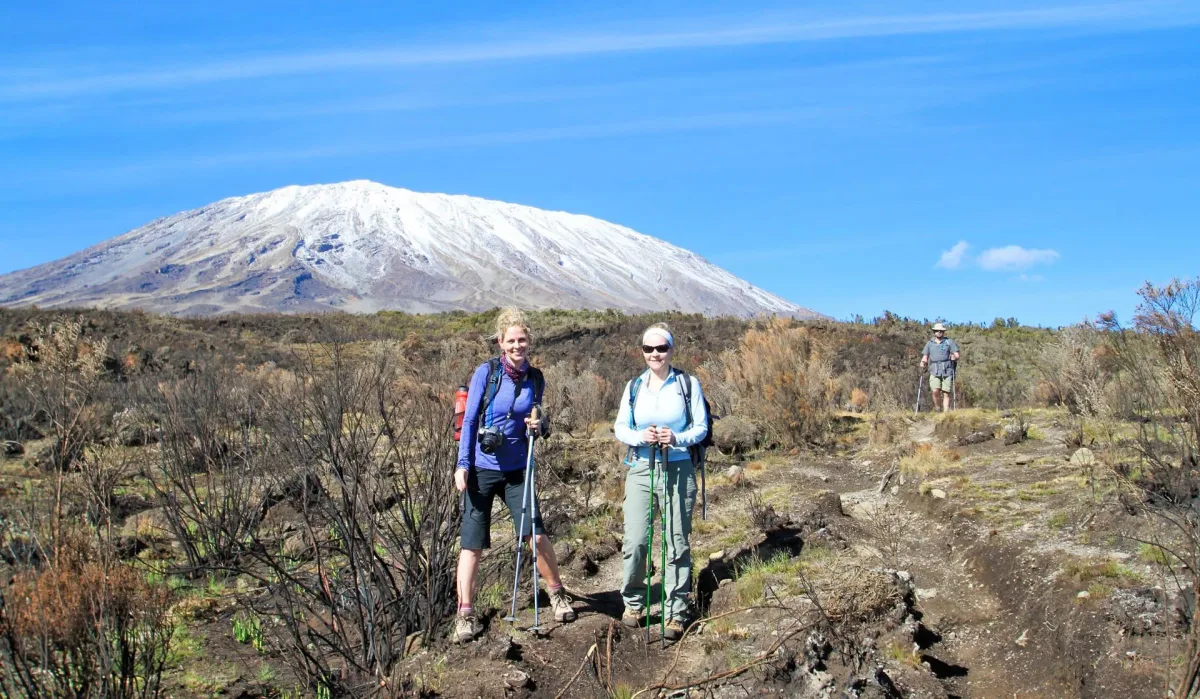
For a more intimate and thrilling experience, walking safaris are available in Tarangire. Accompanied by experienced guides, these walks allow visitors to explore the park on foot, gaining a deeper understanding of its flora, fauna, and ecosystems. Walking safaris provide a unique perspective and the chance to see smaller creatures and plants often missed on game drives.
Birdwatching Tours
Specialized birdwatching tours cater to avid birders, offering the opportunity to spot and identify the park's abundant bird species. These tours are led by knowledgeable guides who can help visitors locate and learn about the diverse avian life in the park.
Dry Season (June to October)
The dry season is the best time to visit Tarangire National Park for wildlife viewing. During this period, the vegetation is sparse, and animals gather around the Tarangire River, making them easier to spot. The weather is also more predictable, with warm days and cool nights.
Wet Season (November to May)
While the wet season brings lush landscapes and fewer tourists, it also offers unique experiences. Birdwatching is at its peak, with migratory species arriving, and the park is vibrant with newborn animals. However, some areas may be less accessible due to rain.
Getting There
Tarangire National Park is easily accessible by road from Arusha, a major city in northern Tanzania. The drive takes approximately two to three hours. Alternatively, charter flights are available to airstrips near the park for those seeking a quicker journey.
Accommodation
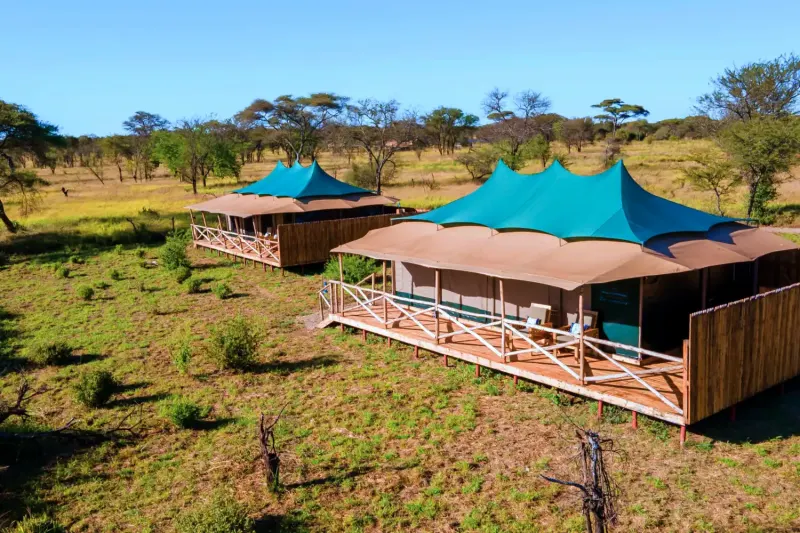
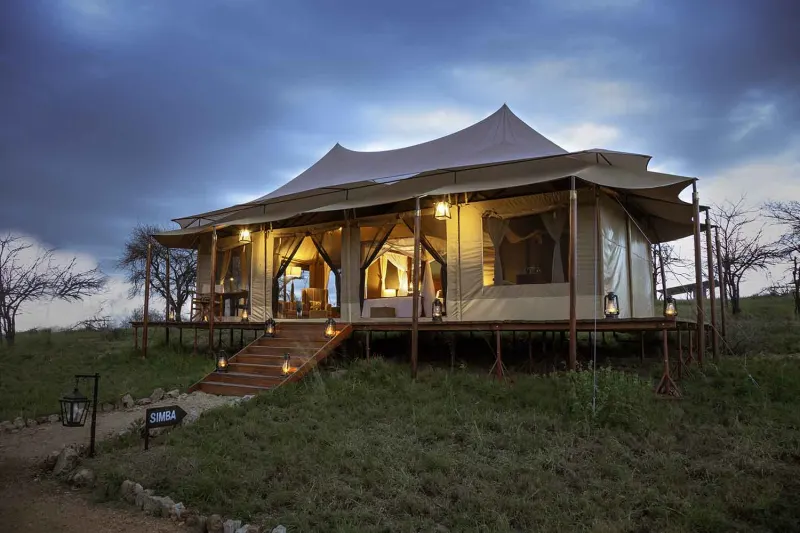
The park offers a range of accommodation options to suit different budgets and preferences. From luxury lodges and tented camps to budget-friendly campsites, visitors can choose the type of stay that best fits their needs. Popular options include Tarangire Treetops, Tarangire Sopa Lodge, and Tarangire Safari Lodge.
Tarangire National Park is one of the most rewarding stops on any northern Tanzania safari. Its elephant herds, baobab landscapes, and 550+ bird species make it a strong addition to itineraries that also include Lake Manyara and the Ngorongoro Crater. Most travelers visit Tarangire as part of a 2- to 4-day safari from Arusha, either on a private tour or a small-group departure. If you're planning a Tanzania safari, Tarangire is worth building into your route.
Each one can be adjusted — add days, change lodges, or combine it with another destination.
Tell us your travel dates and what you want to see. We'll send a custom itinerary with costs, usually within 24 hours.