Zaita Tours
Tanzania's Most Celebrated Route

Tanzania Northern Circuit Safari

Four parks, one loop from Arusha. Tarangire, Lake Manyara, Ngorongoro, and the Serengeti, with the honest version of what each one needs.

Request a Northern Circuit Itinerary

What the Northern Circuit Is

The Northern Circuit is Tanzania's most-travelled safari route. It begins in Arusha and follows a loop through Tarangire, Lake Manyara, the Ngorongoro Crater, and the Serengeti. Most trips run five to seven days.

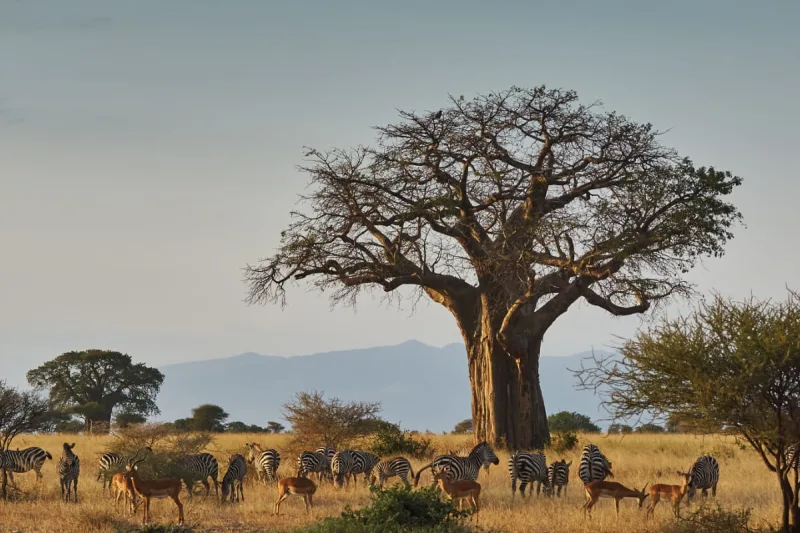
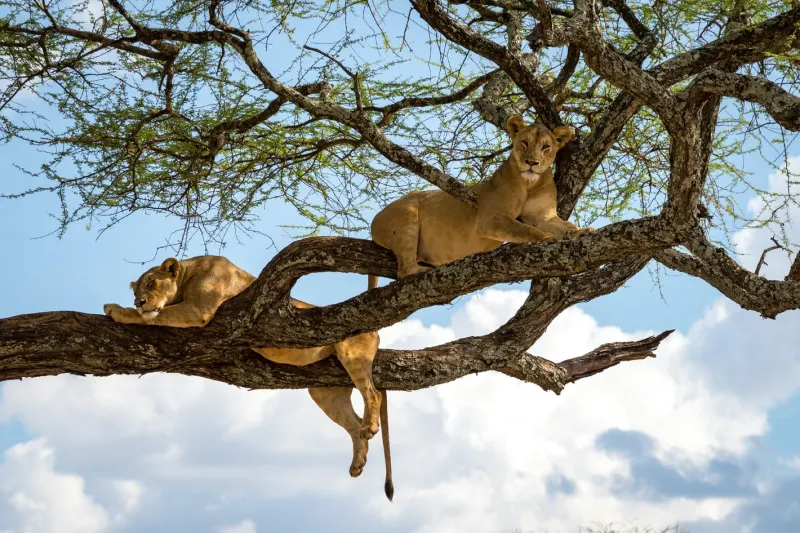
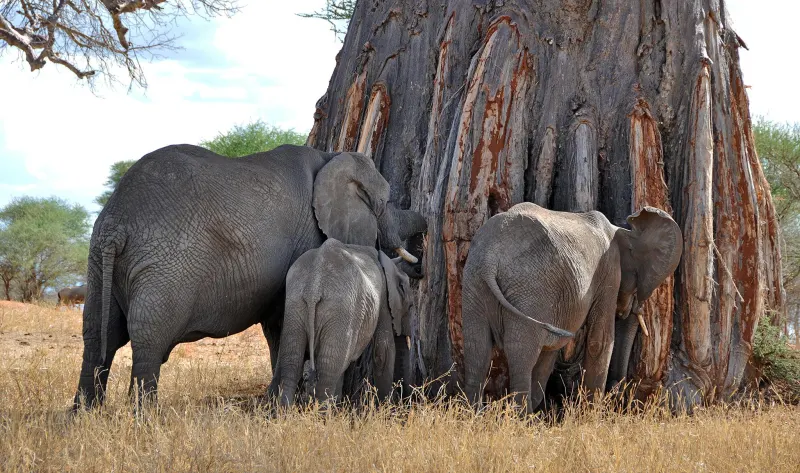
Each park offers something different. Tarangire is elephants and baobab trees. Lake Manyara is the Rift Valley escarpment and tree-climbing lions. Ngorongoro is a collapsed volcanic caldera, with one of the best chances in Tanzania of seeing rhinos. The Serengeti is scale, predators, and the Great Migration.

It is also the busiest route in the country, and it is not right for everyone. This page covers how long you need, what each park adds, when to go, what the trip costs, and when the wider Tanzania safari options suit you better.

Tanzania Northern Circuit Safari Packages

Arusha National Park Day Trip 1 Day
Arusha

Arusha National Park Day Trip

Day Trip to Tarangire National Park 1 Day
Tarangire

Day Trip to Tarangire National Park

Day Trip to Lake Manyara National Park 1 Day
Manyara

Day Trip to Lake Manyara National Park

Day Trip to Ngorongoro Crater 1 Day
Ngorongoro Crater

Day Trip to Ngorongoro Crater

2 Day Tanzania Safari 2 Days / 1 Night
Ngorongoro Crater Tarangire

2 Day Tanzania Safari

2 Days Lake Natron Tour 2 Day / 1 Night
Lake Natron

2 Days Lake Natron Tour

2 Day Private Lake Eyasi Tour 2 Days 1 Night
Lake Eyasi Arusha

2 Day Private Lake Eyasi Tour

2 Days Serengeti Safari 2 Days / 1 Night
Serengeti National Park

2 Days Serengeti Safari

3 Day Tanzania Safari 3 Days / 2 Night
Arusha

3 Day Tanzania Safari

4 Days Tanzania Safari 4 Days / 3 Night
Serengeti National Park Ngorongoro Crater Tarangire

4 Days Tanzania Safari

Location Map

Tanzania 5 Day Safari

Location Map

5 Days in Northern Tanzania

10-Day Combined Kilimanjaro and Safari Tour 10 Days / 9 Night
Manyara Ngorongoro Crater Tarangire

10-Day Combined Kilimanjaro and Safari Tour

5 Days Tanzania Safari 5 Days / 4 Night
Serengeti National Park Ngorongoro Crater Tarangire

5 Days Tanzania Safari

6 Days Tanzania Luxury Safari 6 Days / 5 Night
Manyara Serengeti National Park Ngorongoro Crater

6 Days Tanzania Luxury Safari

The Four Parks and What Each One Offers.

The Serengeti and the migration.

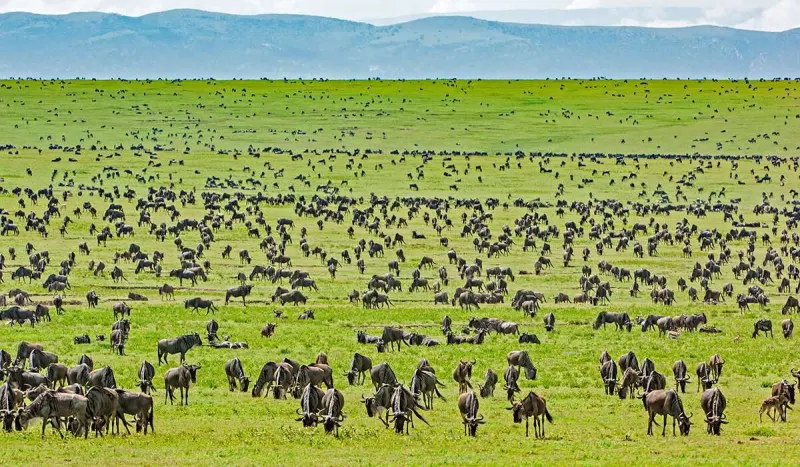
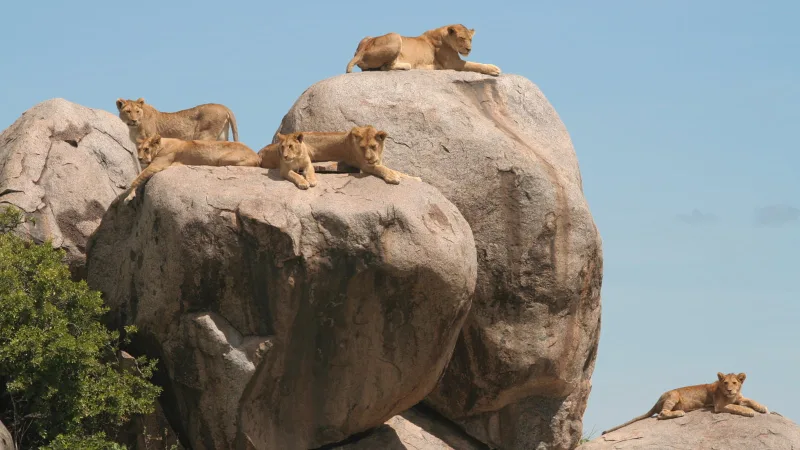
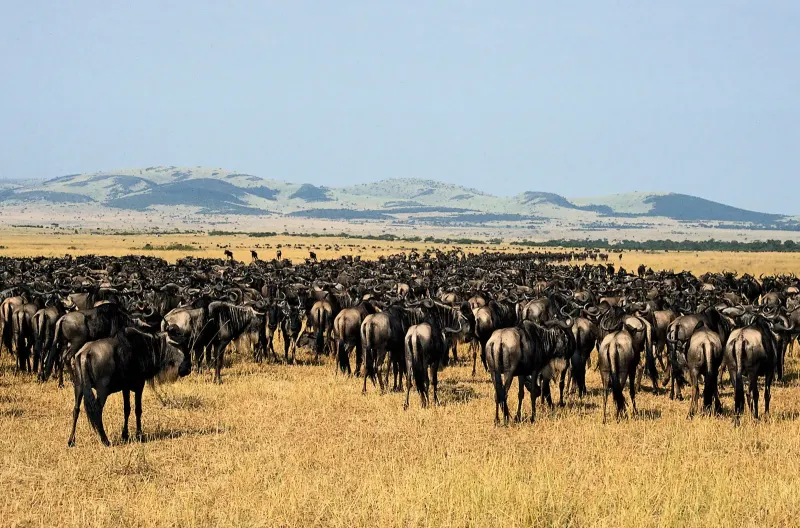
The Serengeti is the centerpiece of the route, and between July and October the herds move north toward the Mara River. Crossings are dramatic but unpredictable, and no operator can guarantee one on a given day. Outside migration season, the Serengeti remains one of the best places in Africa for lions and cheetahs. For the full cycle, see our Great Migration guide.

Ngorongoro Crater.

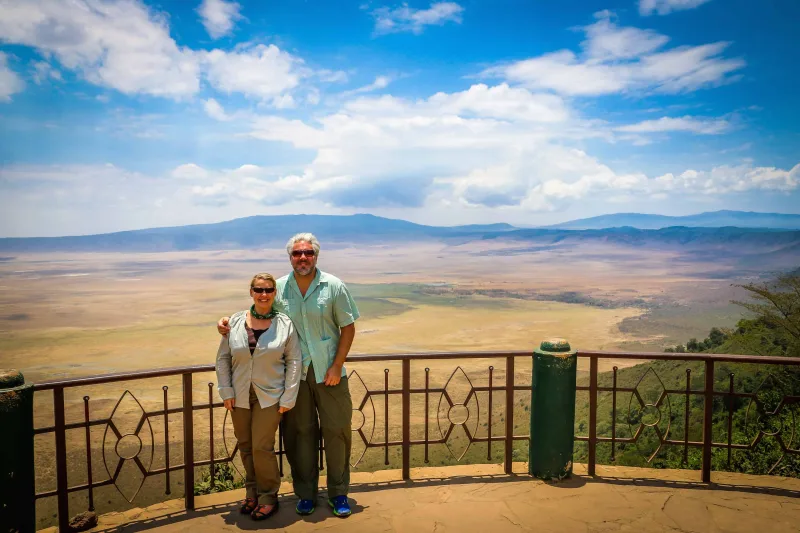
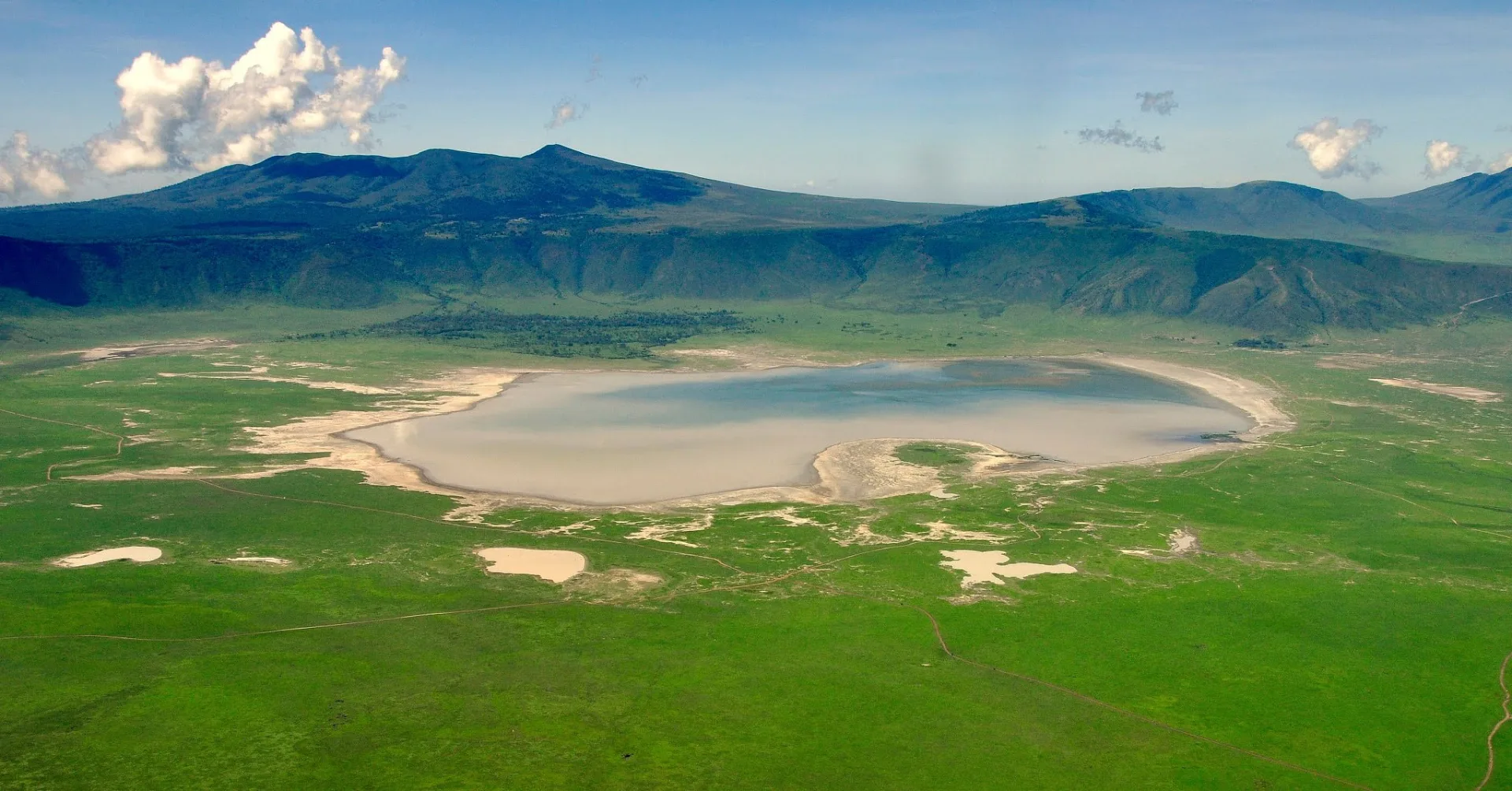
The crater is a collapsed volcanic caldera and part of a UNESCO World Heritage Site. It holds one of the highest concentrations of wildlife in Africa, and it offers the best chance on this route of seeing rhinos. Lions, elephants, and buffalo are also regularly seen on the crater floor.

Tarangire and Lake Manyara.

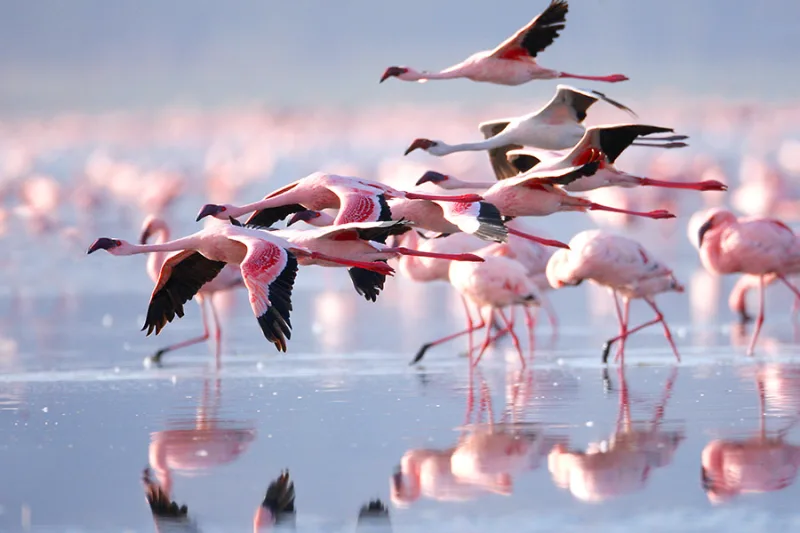
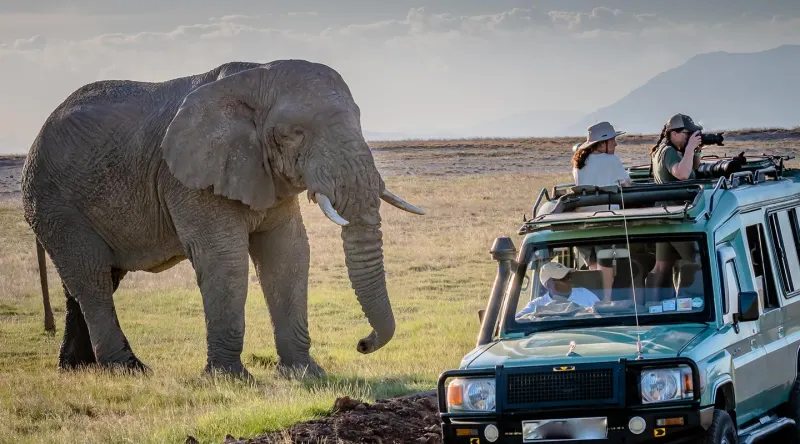
Tarangire is known for its elephant herds and baobab trees, and during the dry season it holds some of the largest concentrations of wildlife in the north. Lake Manyara sits at the base of the Rift Valley escarpment, with groundwater forest, tree-climbing lions, and flamingos along the shore. Both parks are smaller than the Serengeti, and both are worth a full day.

A note on the Big Five.

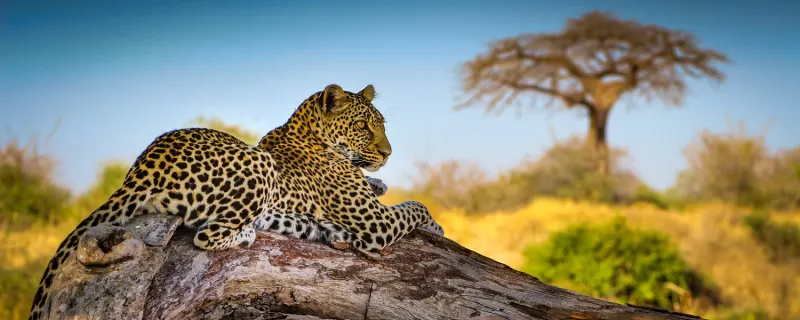
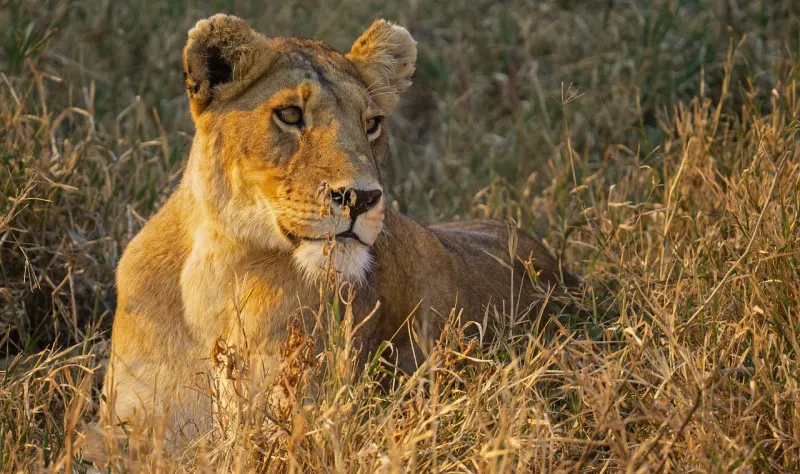
Lions, elephants, and buffalo are seen regularly across the circuit. Rhinos are realistically seen only in Ngorongoro. Leopards are present but elusive, and sightings are never guaranteed. If the Big Five matter most to you, Ngorongoro is the park that will decide it.


How Many Days Do You Need?

Most Northern Circuit trips run between four and seven days. The difference is not just length. It is how much time you spend in a vehicle versus how much time you spend watching animals.

Each park needs a different amount of time, and three things decide it: how large the park is, how far it sits from the next one, and whether you drive or fly.

Tarangire is a full day. It is close to Arusha, and the wildlife concentrates along the river, so one afternoon and one morning is enough. Most travellers sleep one night here.

Lake Manyara is a half-day to one-day trip. It is small, and the game drive circuit is short. It sits on the route between Tarangire and Ngorongoro, so it fits naturally as a stop rather than a destination. One night is plenty.

Ngorongoro Crater needs one full day and one night on the rim. The descent is best in the early morning, so you sleep nearby the night before. You do not need two nights unless you are adding a Maasai village visit or a walk along the rim.

The Serengeti is the one that changes everything. It is enormous, and the wildlife is spread across different areas depending on the season. Two nights is the minimum that makes the journey worthwhile. Three nights is better, especially between July and October when the herds are in the north.

Road or Fly-In Changes the Answer

If you are driving the whole circuit, the Serengeti needs at least two nights. The drive from Ngorongoro takes four to five hours, and you lose most of a day on the way in. One night simply does not work, because you would arrive in the afternoon and leave the next morning.

If your trip starts with a road transfer from Arusha, you cannot skip this. The distance is fixed, and the driving time has to come from somewhere.

Flying in is the only way to shorten it. A flight from Arusha to Seronera takes about 45 minutes. That turns a travel day into a game drive, which means a one- or two-night Serengeti stay becomes possible. This is the version to choose if your time in Tanzania is limited.

A Sensible Split

If you are driving: one night in Tarangire, one in Manyara, one on the Ngorongoro rim, and two or three in the Serengeti. That gives you five to seven days.

If you are flying, skip Tarangire or Manyara if time is tight; fly into the Serengeti for one or two nights, then descend into Ngorongoro on the way out. That can work in four days.

The Mistake Most People Make

One night per park sounds efficient. It is not. A single night in the Serengeti means you arrive in the afternoon and leave the next morning, and most of your time there is spent driving in and out.

The same applies to Ngorongoro. The crater descent is best in the early morning, so you need to be on the rim the night before, not arriving from three hours away.

Give the small parks one night each, and give the Serengeti two or three. If you only have four days and you are driving, drop a park rather than cutting the Serengeti short. If you want a short Serengeti stay, fly in.

When to Go on the Northern Circuit

The Northern Circuit runs year-round, but what you see changes with the season. There is no single best month. There is only the month that matches what you want.

June to October: Dry Season

This is the peak window, and for good reason. Vegetation thins, animals gather around remaining water, and game viewing becomes predictable. The Migration cycle typically moves through the northern Serengeti and across the Mara River between July and September.

The trade-off is crowds and price. July and August are the busiest months of the year; lodges book up to twelve months ahead, and you will share sightings with other vehicles. If you want dry-season conditions without the peak-season crush, aim for June or October.

January to March: Calving Season

This is the connoisseur's window. Hundreds of thousands of wildebeest give birth on the short-grass plains of the southern Serengeti and Ndutu. The concentration of vulnerable newborns draws predators in unusual numbers, and the light is dramatic.

Crowds are lighter than in July and August, and prices are lower. For photographers and anyone who wants predator action, this is arguably the best time of year.

November to December: Short Rains

Brief afternoon showers turn the plains green, and the herds begin moving south. This is a quiet, good-value window. December sees a spike around the Christmas holidays, so book early if you plan to travel then.

April and May: Long Rains

This is the low season. Heavy rain can make some roads difficult, and certain camps close entirely. The upside is the lowest prices of the year and near-empty parks. If you are flexible and on a budget, it can work. But check which camps remain open before you book.

The full month-by-month guide

If you want the migration and river crossings, aim for July to October in the northern Serengeti.

If you want predators and newborn animals, aim for January and February in the south.

If you want dry conditions without the crowds, aim for June or October.

If you want the lowest prices, aim for April or May, and accept some rain.

The migration does not follow a fixed schedule. It moves with the rainfall, and river crossings cannot be guaranteed on any given day. Choosing the right month improves your odds. It does not remove the uncertainty. Any operator who promises a crossing is guessing.

What to Avoid on the Northern Circuit

Most Northern Circuit advice tells you what to add. This section is about what to leave out, because the two most common mistakes both come from doing too much.

Do not book one night per park.

It looks efficient on paper. Four parks, four nights, everything covered. In practice, one night means you arrive in the afternoon and leave the next morning, and you spend most of your time driving in and out of that park. You see the gate more than you see the wildlife.

Two nights is the minimum that makes a park worth the journey. That applies most to the Serengeti, which is enormous and takes hours to cross.

Do not compare quotes without checking what is included.

Two operators can quote very different prices for what looks like the same trip. The difference is usually in what sits outside the price. Park fees, the Ngorongoro Crater service fee, internal flights, and drinks are the four most common exclusions.

A cheaper quote that excludes park fees is not cheaper. It is just later. Ask for an itemized list before you compare anything.

Do not add Kilimanjaro to a short safari.

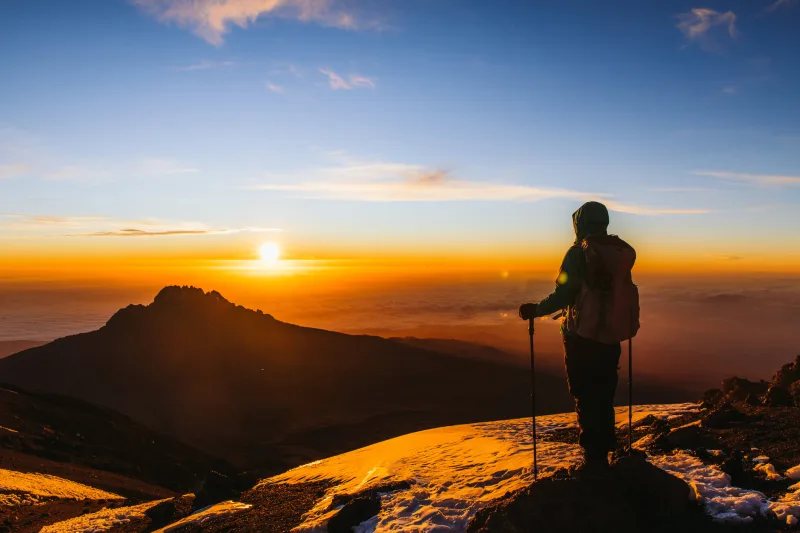
A Kilimanjaro climb takes five to eight days on its own. Adding it to a four- or five-day safari does not give you two experiences. It gives you two rushed ones. If you want both, plan them as separate trips within the same holiday, with a rest day between.

Do not skip the rest day after a climb.

This only applies if you are climbing first and safari second. Altitude fatigue is real, and game drives start early. One rest day makes the safari far more enjoyable.

Fewer parks, more nights. That is almost always the better trip, and it is the opposite of what most first-time visitors plan.

Ready to Plan Your Northern Circuit Safari?

You now know which parks the route covers, how long each one needs, and when to travel. The next step is deciding the shape of your own trip. Tell us your dates, how many days you have, and whether you want to drive or fly. We will suggest a route, explain the trade-offs, and adjust until it fits.