Zaita Tours
Tanzania Safari Costs

What You Actually Pay, and Why Quotes Vary So Much

Most quotes leave out park fees, crater charges, and tips. This page puts them back in, tier by tier, so you can see the real number before you commit.

Request a Cost Estimate

Tanzania Safari Costs: What You Actually Pay For

Most websites answer this question with a single number and a vague promise. "Safaris start from $150 per day." "Expect to pay $500 per day." Neither is wrong, and neither is useful, because they leave out the part that matters: what you get for that money and what gets added on top. If you are planning a Tanzania safari, the wide range of quotes you see can be genuinely confusing.


Tanzania safari pricing is not opaque because operators want to hide something. It is opaque because most travelers do not know which questions to ask. Once you understand what drives the cost, the wide range of quotes you see starts to make sense.

The Cost Architecture: Where Your Money Goes

Every Tanzania safari price breaks down into five categories. Two are fixed by the government and are the same no matter who you book with. Three depend on your choices.

Park fees. Park fees are set by TANAPA and are not negotiable. Serengeti costs $82 per person per day. Ngorongoro is $71 per person per day, plus a $295 crater service fee. These northern circuit parks are what most first-time visitors choose, and their fees sit at the top of the range. Tarangire is $52 per day. These fees are paid at the gate and are often excluded from headline quotes. A $4,200 quote that excludes $350 in park fees is actually $4,550.

Guide and driver.

A professional safari guide with five or more years of experience costs roughly $100 to $250 per day, covering their salary, accommodation, and meals on a mobile safari. Tips add another $10 to $20 per person per day.

Vehicle and fuel.

A fully serviced 4x4 Land Cruiser with a driver runs $150 to $350 per day. Owning and maintaining safari vehicles is a major capital expense, and newer vehicles cost more but break down less often.

Accommodation.

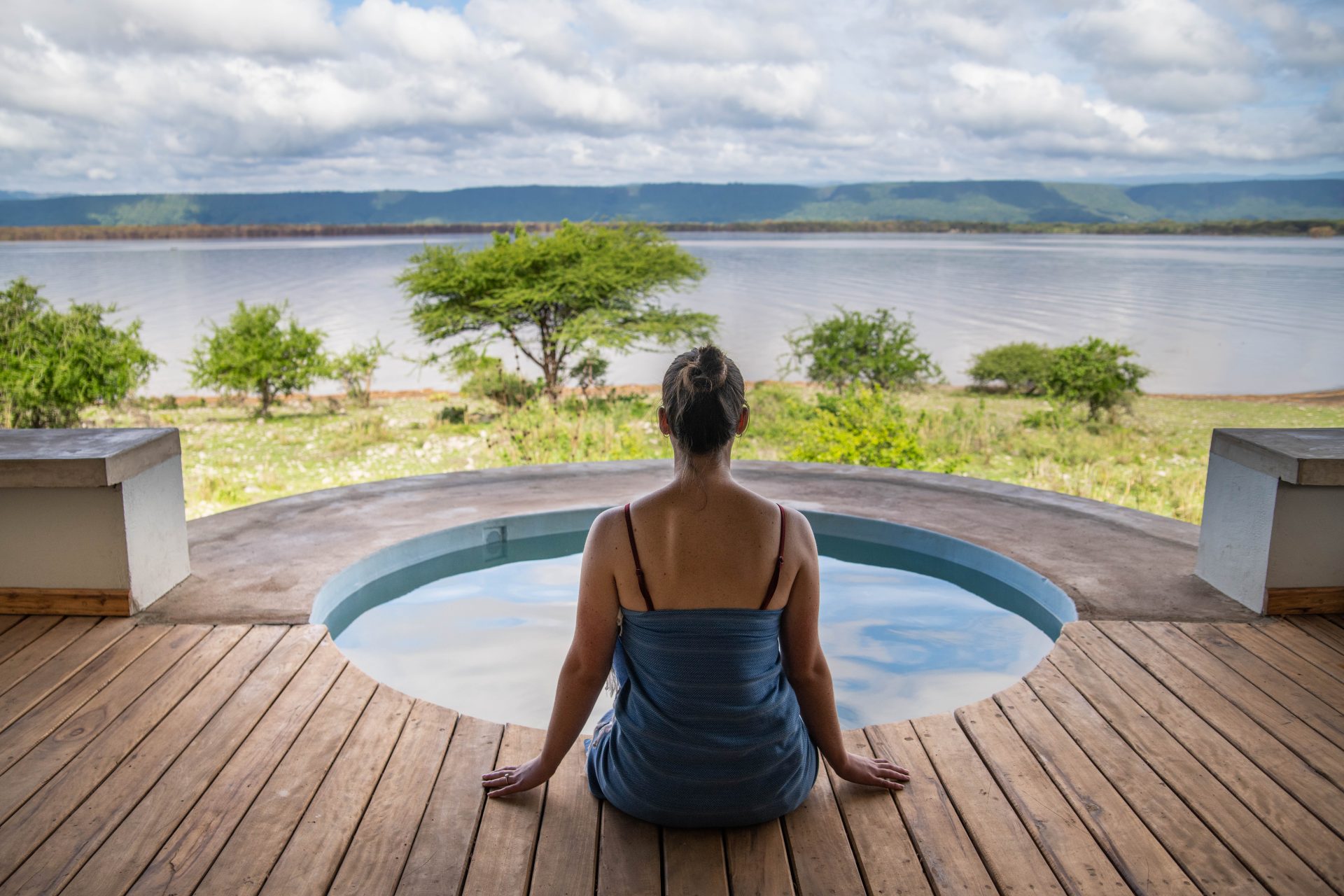
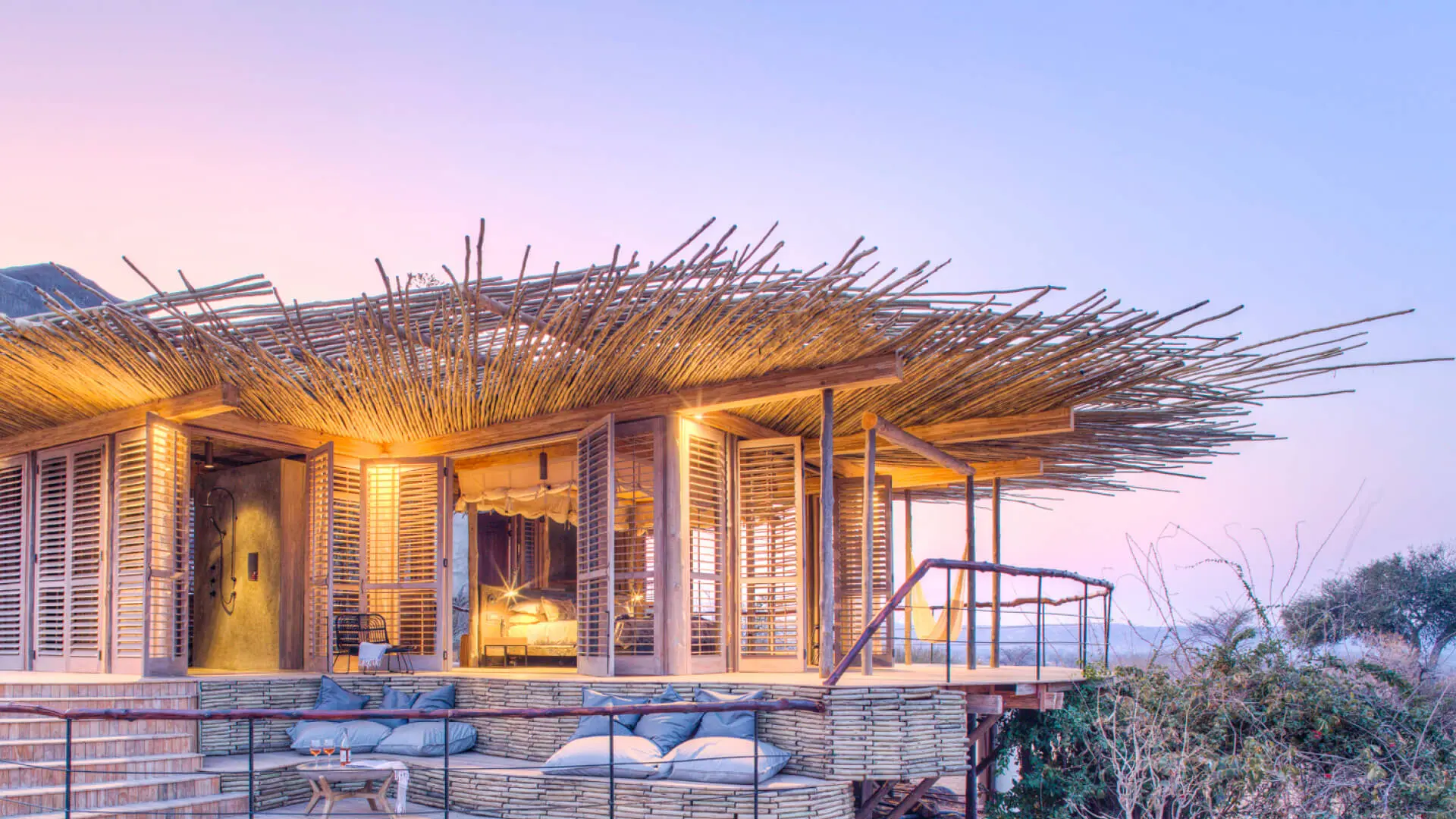
This is the single biggest variable. Public campsites start around $30 per person per night. Mid-range lodges begin around $150. Luxury tented camps start around $350, and ultra-luxury properties can exceed $600 per night.

Operator margin.

Direct operators who own vehicles and employ guides typically price 10 to 25 percent below brokers and resellers who add their own markup. International travel agencies add further fees.

The Budget Tiers: What Each Price Range Delivers

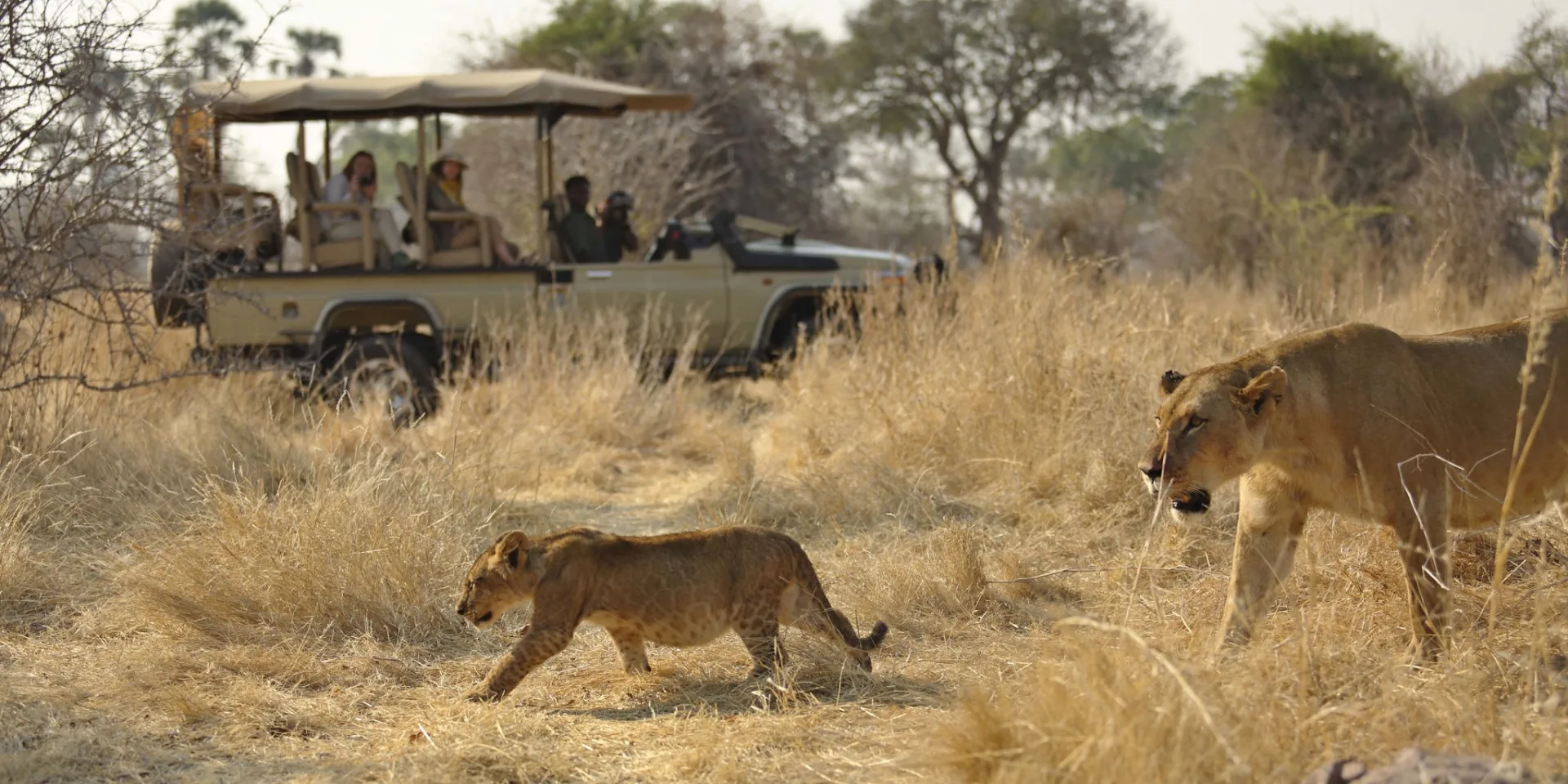
Tanzania safari pricing falls into four distinct tiers. Wildlife doesn't check your accommodation receipt—the differences are in comfort, exclusivity, and vehicle quality.

Budget: $250 to $400 per person per day

You get a private safari with a dedicated vehicle and guide, staying in comfortable lodges or tented camps. Park fees are included, and game drives run at your pace. This works for first-timers, couples, and families who want a genuine safari without paying luxury rates.

Mid-Range: $400 to $600 per person per day

You stay in better lodges with more included, and the route has more flexibility. Game drive hours are longer, and you can add activities like a balloon safari or a Maasai village visit. This is the sweet spot for most travelers who want a genuine wildlife experience without compromising on comfort.

Premium: $600 to $1,000 per person per day

This tier includes luxury tented camps, private conservancy access, and guides with photography knowledge. Optional upgrades like balloon safaris and private night drives become available. It suits honeymooners, photographers, and repeat visitors who want depth over breadth.

Ultra-Luxury: $1,000 to $5,000+ per person per day

Exclusive-use properties, private chefs, dedicated photography vehicles, and helicopter transfers between camps. This is for travelers who want the finest camps in the best locations with total exclusivity.
The Hidden Costs Nobody Warns You About

Your safari package quote rarely includes everything. Budget for these separately.

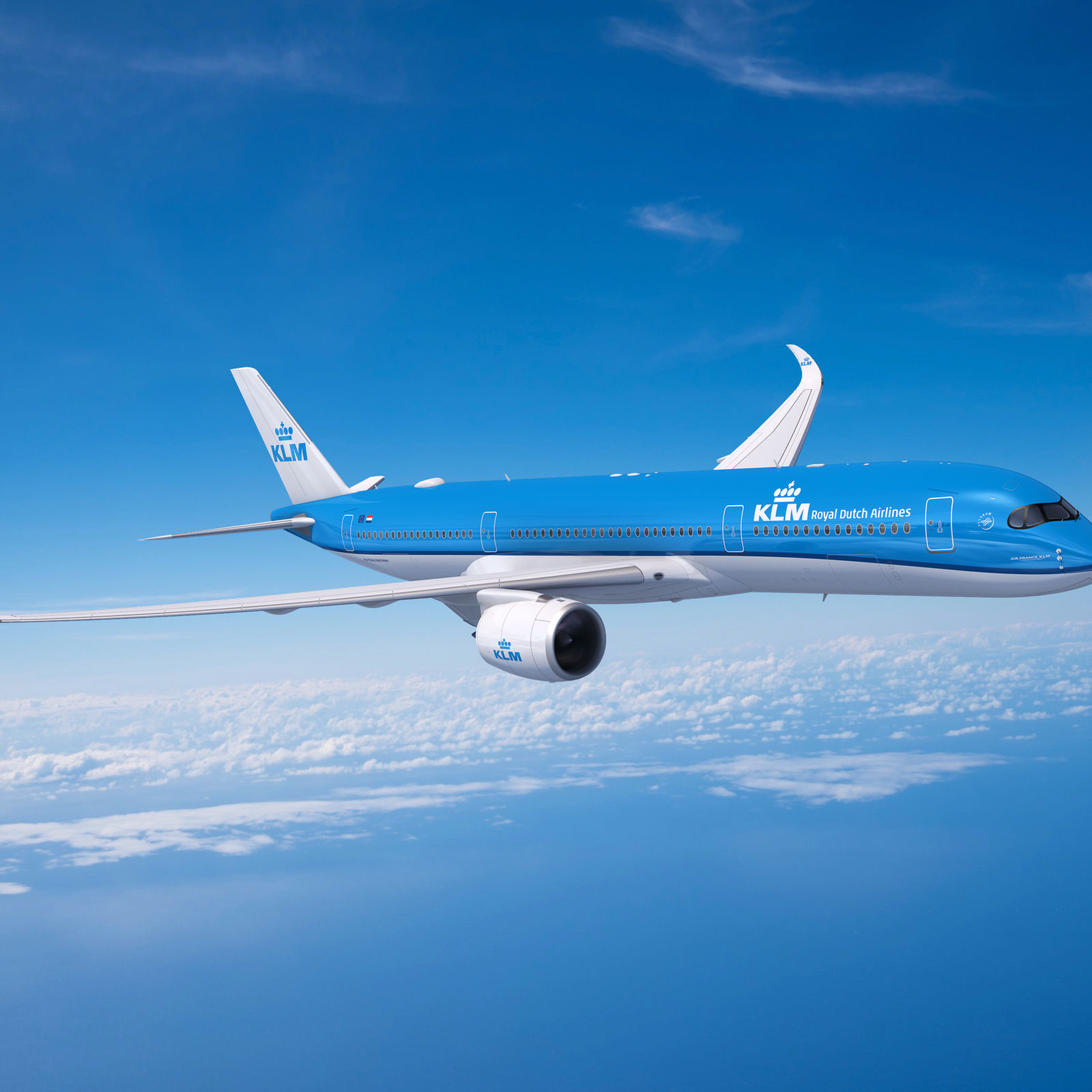
International flights. Return flights from Europe run $800 to $1,100. From North America, $900 to $1,500. KLM, Ethiopian Airlines, Qatar, and Turkish Airlines all serve Kilimanjaro International Airport.

Visa fees. Most nationalities pay $50 for an e-visa. Some pay $100. Allow five to ten business days for processing.

Travel insurance. Mandatory for safari. You need medical evacuation cover of at least $100,000. Comprehensive policies add $50 to $100 more.

Tips. Budget $15 to $25 per person per day for your guide and a similar amount for camp staff.

The Ngorongoro Crater fee. The $295 per person crater service fee is the single charge most travelers are not prepared for. It applies every time you descend onto the crater floor. For a couple visiting once, that is $590 added on top of the standard park fee.

Why Quotes for the Same Trip Vary So Widely

One operator quotes $3,200 for a seven-day private safari. Another quotes $5,800 for what looks like the same itinerary, using the same camp names. This is not unusual, and it is explainable.

The accommodation tier has the biggest impact. Where you stay accounts for 50 to 70 percent of total cost. Seven nights at $250 per person per night equals $1,750. The same seven nights at $800 per person per night equals $5,600.

Group versus private arrangements matter. A group join-in safari costs 30 to 40 percent less than a private safari. The same seven-day Serengeti trip might be $2,800 per person group versus $4,200 private.

Season creates 30 to 60 percent variation. Peak season from July to October and December to January sees significantly higher pricing than the green season from March to May. The wildlife is essentially the same. What changes is supply and demand.

Operator type adds 10 to 25 percent. Direct operators price below brokers, who price below international agencies.

How to Read a Quote

When comparing safari quotes, look for these markers of a professional, transparent operator.

The guide is named and credentialed. A good quote names your guide and their experience level. Vague descriptions like "experienced guide" are a yellow flag.

Accommodation is named. You should know the specific camp or lodge. If the quote does not name camps, ask why.

Park fees are itemized. Always ask for an all-inclusive quote that lists the park fee total per person for your specific itinerary. Operators who quote a low daily rate without itemizing park fees are not giving you a lower price—they are deferring costs to the gate.

A Note on Solo Travelers

Solo pricing is rarely half of couple pricing. Single supplements at lodges typically add 30 to 50 percent to the per-person rate, because operators cannot sell your second bed. Always clarify how single supplements are handled before committing to a quote.

The Honest Bottom Line

A Tanzania safari is not cheap, and anyone who tells you otherwise is leaving something out. But the range is wider than most people expect. A budget camping safari with a shared vehicle costs roughly $150 per person per day. A mid-range private safari runs $250 to $450. A luxury experience starts at $500 and climbs from there.

The right question is not "How much does a safari cost?" It is "What kind of safari do I want, and what does that version cost?" Once you know that, comparing quotes becomes straightforward. If you would like a real number for your Tanzania safari, send us your dates and budget range, and we will tell you honestly what is possible.