Lake Eyasi · Manyara · Serengeti National Park
Luxury Tanzania Safari 7 Days
- 7 Days / 6 Night
- Up to 6
Experience a 7-day private Southern Tanzania safari through Nyerere, Ruaha and Mikumi, combining diverse wildlife, remote landscapes and authentic game viewing.
FROM $6,730* / Tanzania Safari / 7 DAYS / 6 NIGHT
Includes: Private 4x4 safari vehicle, English-speaking safari guide, Park entry and conservation fees...
This 7-day private Southern Tanzania safari takes you through Nyerere National Park, Ruaha National Park, and Mikumi National Park, three destinations that offer a different experience from the more traveled Northern Circuit. The route combines river landscapes, open savannah, large elephant populations, predators, and excellent game viewing while allowing you to experience a quieter side of Tanzania.
The itinerary is designed for travelers who want more than a short safari from Dar es Salaam. You will spend time in some of Southern Tanzania's most important wildlife areas, with private game drives and an English-speaking guide who can adjust the route according to wildlife conditions and your interests.
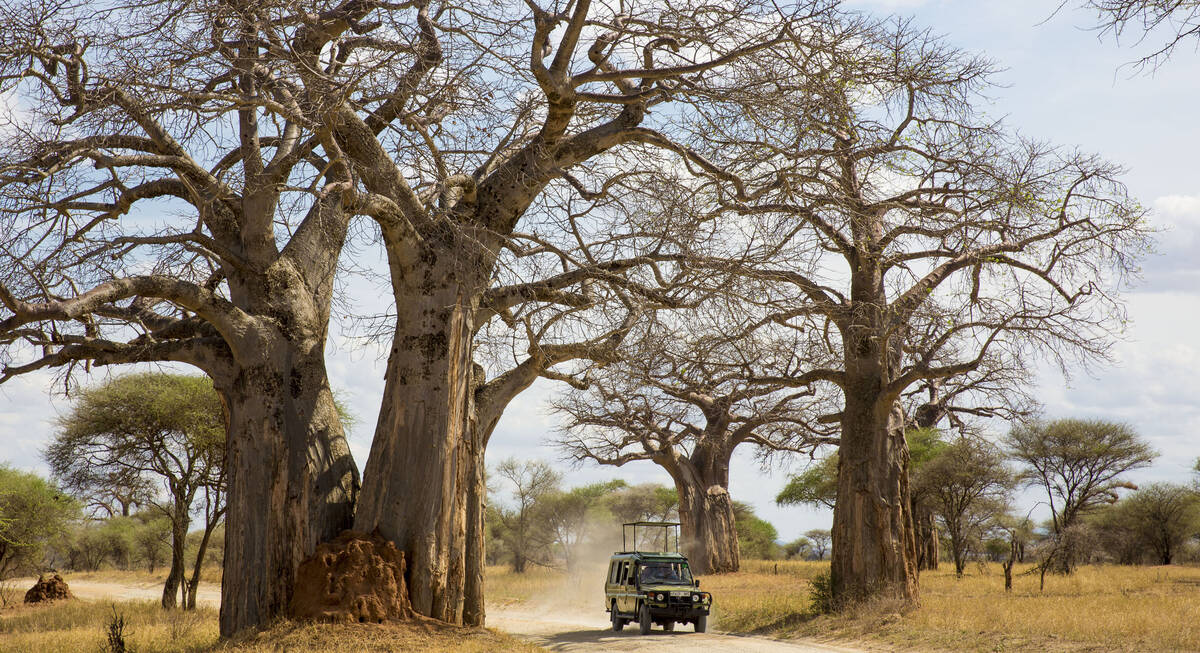
Southern Tanzania is ideal if you want to experience Tanzania away from the busiest safari routes. Nyerere offers the opportunity to explore around the Rufiji River, while Ruaha is known for its large elephant populations, baobab landscapes, and strong predator sightings. Mikumi adds another wildlife area to the journey and works well as part of a longer southern safari route.
Because this is a private safari, you travel in your own 4x4 vehicle with a dedicated guide. There is no group joining, and the pace can be adjusted around wildlife sightings, photography, and your preferred style of travel.
The price of your Tanzania holiday is tailored to your accommodation category, number of travelers and season of travel. Choose from our Budget, Mid-Range or Luxury accommodation options, with each level offering a different balance of comfort, facilities and experience. The number of people traveling also affects the cost per person, while peak, shoulder and low seasons can influence accommodation rates and overall safari costs. This means there is no single fixed price for every traveler—your final cost is calculated around your specific travel dates, group size and preferred accommodation level, ensuring you get a fair price that matches the experience you want.
| Type of accommodation | 2 persons | 4 persons | 6 persons |
|---|---|---|---|
| Budget | $7,030 usd* | $6,880 usd* | $6,730 usd* |
| Mid-Range | $8,960 usd* | $8,760 usd* | $8,560 usd* |
| Luxury | $9,260 usd* | $9,080 usd* | $8,900 usd* |
* Prices are indicative per person sharing and exclude international flights. Final pricing may vary based on travel dates, availability, and group size.
| Type of accommodation | 2 persons | 4 persons | 6 persons |
|---|---|---|---|
| Budget | $8,960 usd* | $8,760 usd* | $8,560 usd* |
| Mid-Range | $9,260 usd* | $9,080 usd* | $8,900 usd* |
| Luxury | $9,560 usd* | $9,410 usd* | $9,260 usd* |
* Prices are indicative per person sharing and exclude international flights. Final pricing may vary based on travel dates, availability, and group size.
| Type of accommodation | 2 persons | 4 persons | 6 persons |
|---|---|---|---|
| Budget | $9,260 usd* | $9,080 usd* | $8,900 usd* |
| Mid-Range | $9,560 usd* | $9,410 usd* | $9,260 usd* |
| Luxury | $9,860 usd* | $9,710 usd* | $9,560 usd* |
* Prices are indicative per person sharing and exclude international flights. Final pricing may vary based on travel dates, availability, and group size.
Day 0 :
Arrive at Julius Nyerere International Airport in Dar es Salaam, where our representative will meet you and transfer you to your hotel.
This arrival day is kept separate from the safari so you can rest after your international flight rather than beginning a long journey immediately after landing. Once you arrive at your hotel, you can relax and prepare for the safari.
Your guide can also meet you or contact you to confirm the following morning's pickup time and provide any final information about the journey.
Day 1 :
Your safari begins in Dar es Salaam with an early morning pickup. You will travel toward Nyerere National Park, one of Tanzania's largest protected areas.
After entering the park, your first game drive begins. The landscape around Nyerere is different from the open plains of the Serengeti, with rivers, lakes, woodland, and grassland creating varied habitats for wildlife.
Depending on the season and recent wildlife movements, you may see elephants, giraffes, zebras, buffalo, hippos, crocodiles, and a variety of antelope and bird species.
Continue to your accommodation for dinner and your first night in the park.
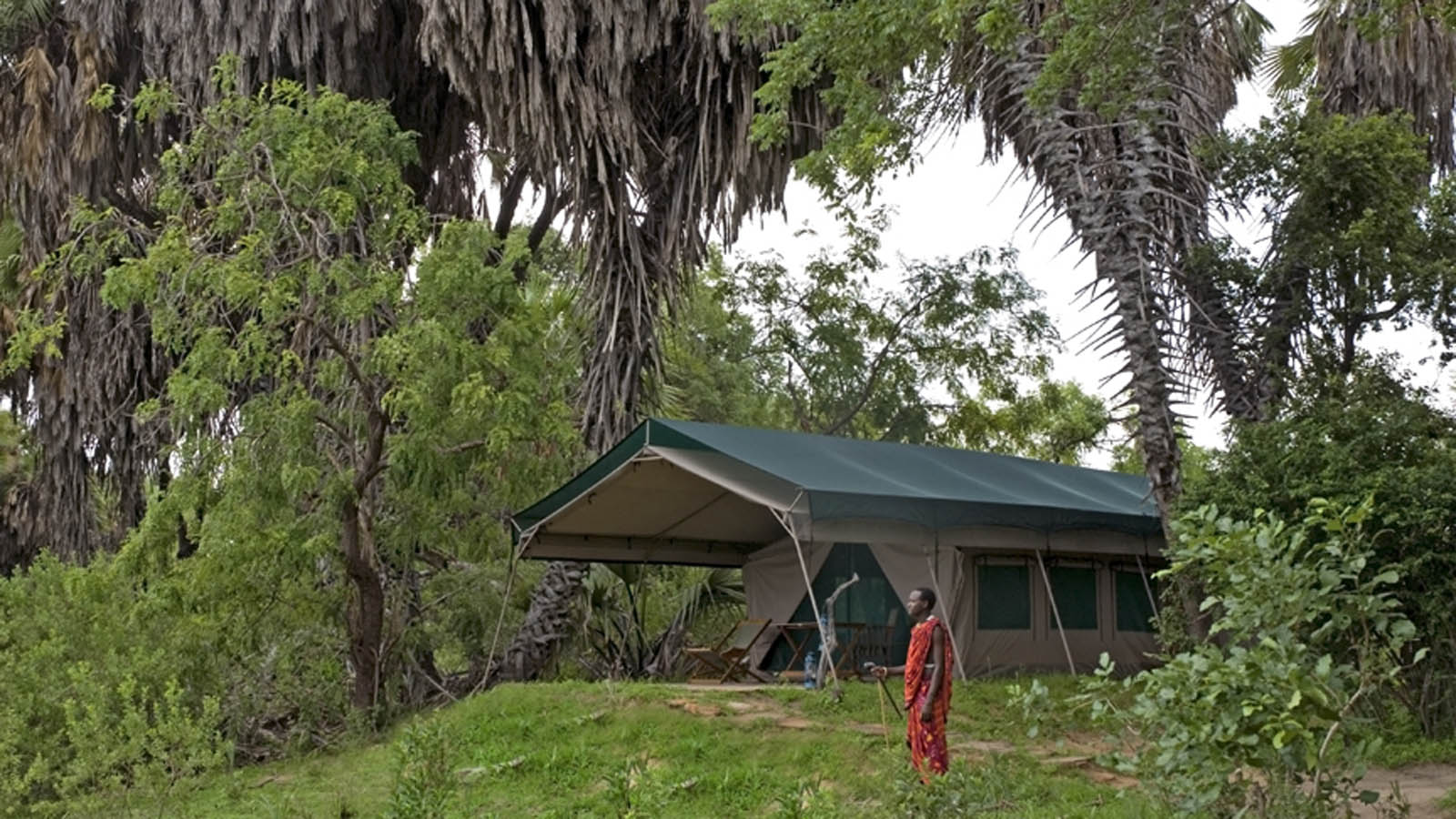 Budget
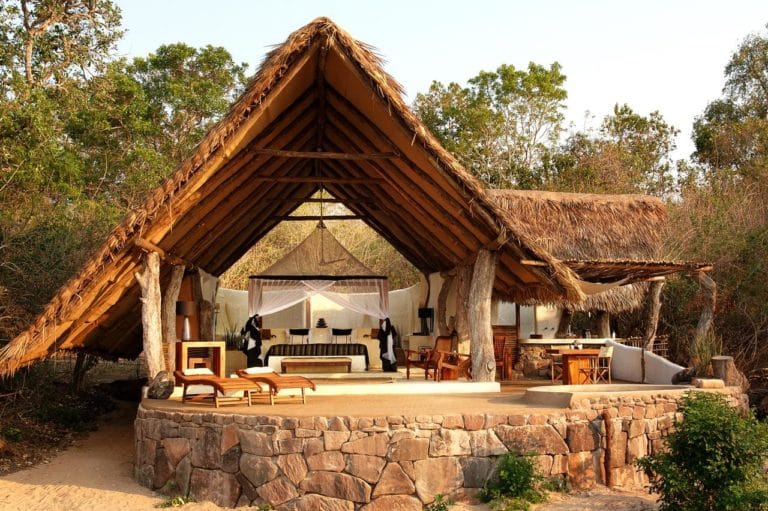 Luxury
Day 2 :
Today is dedicated to exploring Nyerere National Park.
After breakfast, set out with your private guide for a full-day game drive. The park is particularly interesting because wildlife viewing is not limited to one type of landscape. You can explore areas around the Rufiji River and surrounding plains and woodland.
Elephants are among the park's highlights, while lions, leopards, buffalo, giraffes, hippos, crocodiles and numerous bird species may also be encountered.
Your guide will choose the areas to explore based on recent wildlife activity and road conditions.
Budget
Luxury
Day 3 :
After breakfast, leave Nyerere and continue toward Ruaha National Park.
This is a longer travel day, but it gives you the opportunity to see how the landscape changes as you move deeper into Southern Tanzania.
Arrive in the Ruaha area and check into your accommodation. Depending on your arrival time and park access, an afternoon game drive can be arranged.
Ruaha is one of Tanzania's most distinctive safari destinations, with dry landscapes, baobab trees, the Great Ruaha River, and large numbers of elephants.
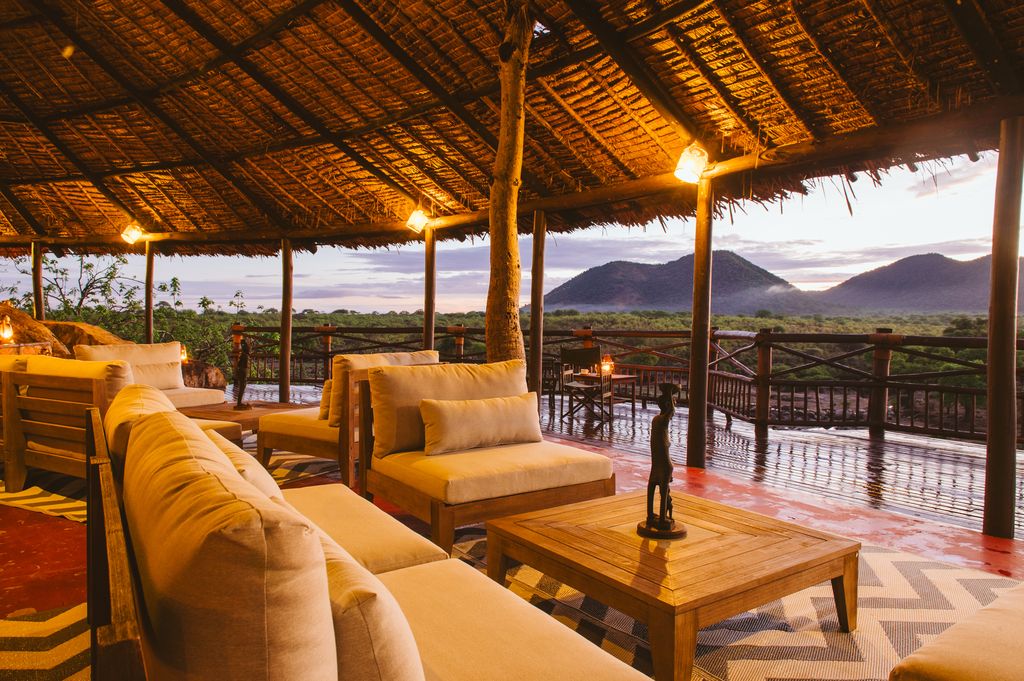 Mid-Range
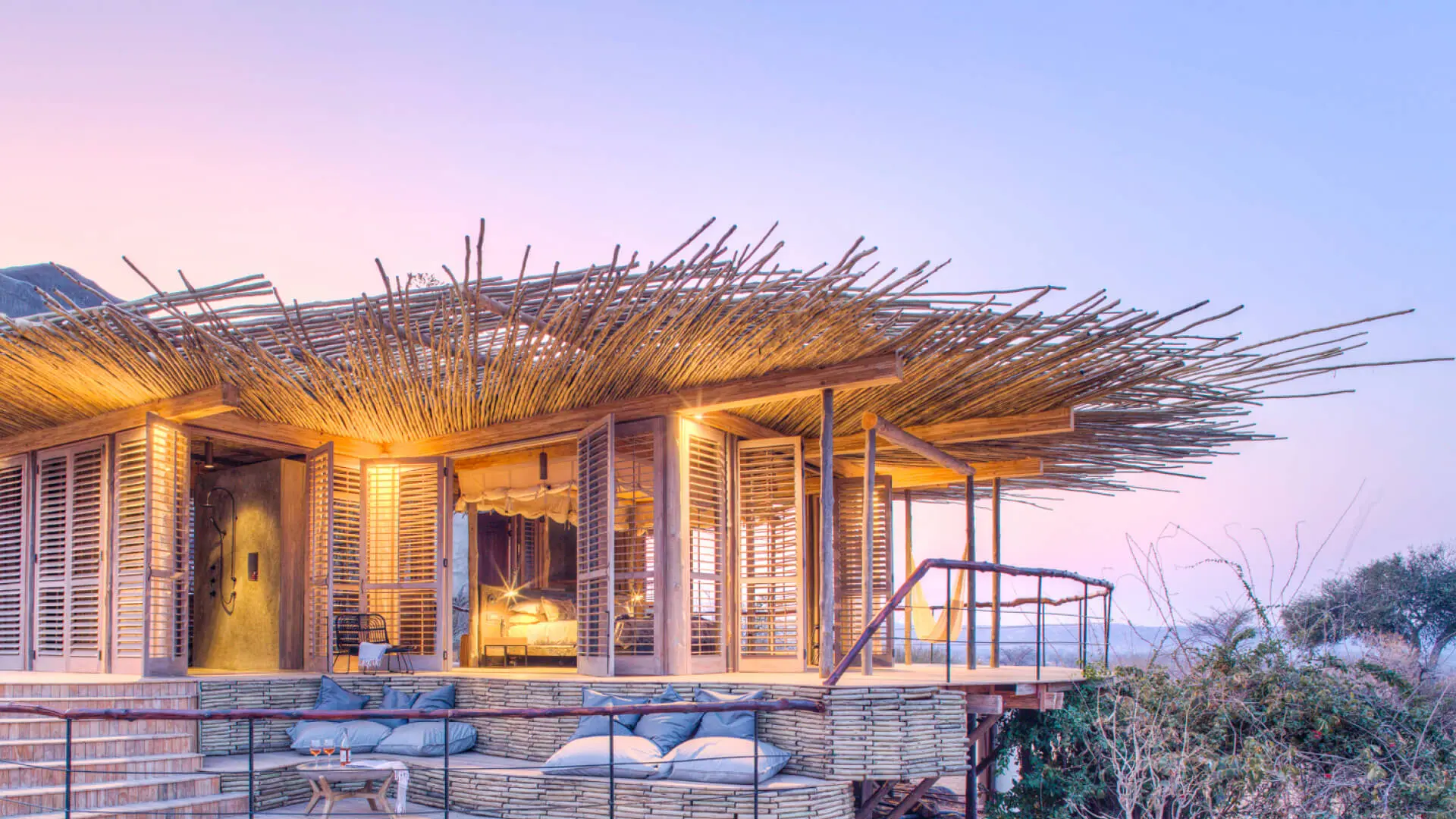 Luxury
Day 4 :
Spend the entire day exploring Ruaha National Park.
Ruaha is particularly rewarding for travelers interested in elephants and predators. The park supports large elephant populations and offers opportunities to see lions, leopards, cheetahs, wild dogs and other wildlife.
The scenery also makes the experience different from the Northern Circuit. Baobabs, rocky areas, dry riverbeds and open grasslands create a distinctly southern Tanzania landscape.
Your private guide will select the best areas for game viewing and can adjust the route around wildlife sightings.
Mid-Range
Luxury
Day 5 :
After breakfast, leave Ruaha and travel toward Mikumi National Park.
Mikumi is one of the most accessible safari destinations from Dar es Salaam and provides another opportunity for wildlife viewing before the journey ends.
Depending on the timing of your arrival, you can enjoy an afternoon game drive in the park.
Mikumi's open Mkata River floodplain provides a good setting for spotting elephants, buffalo, giraffes, zebras, wildebeest, lions, and other wildlife.
Accommodations
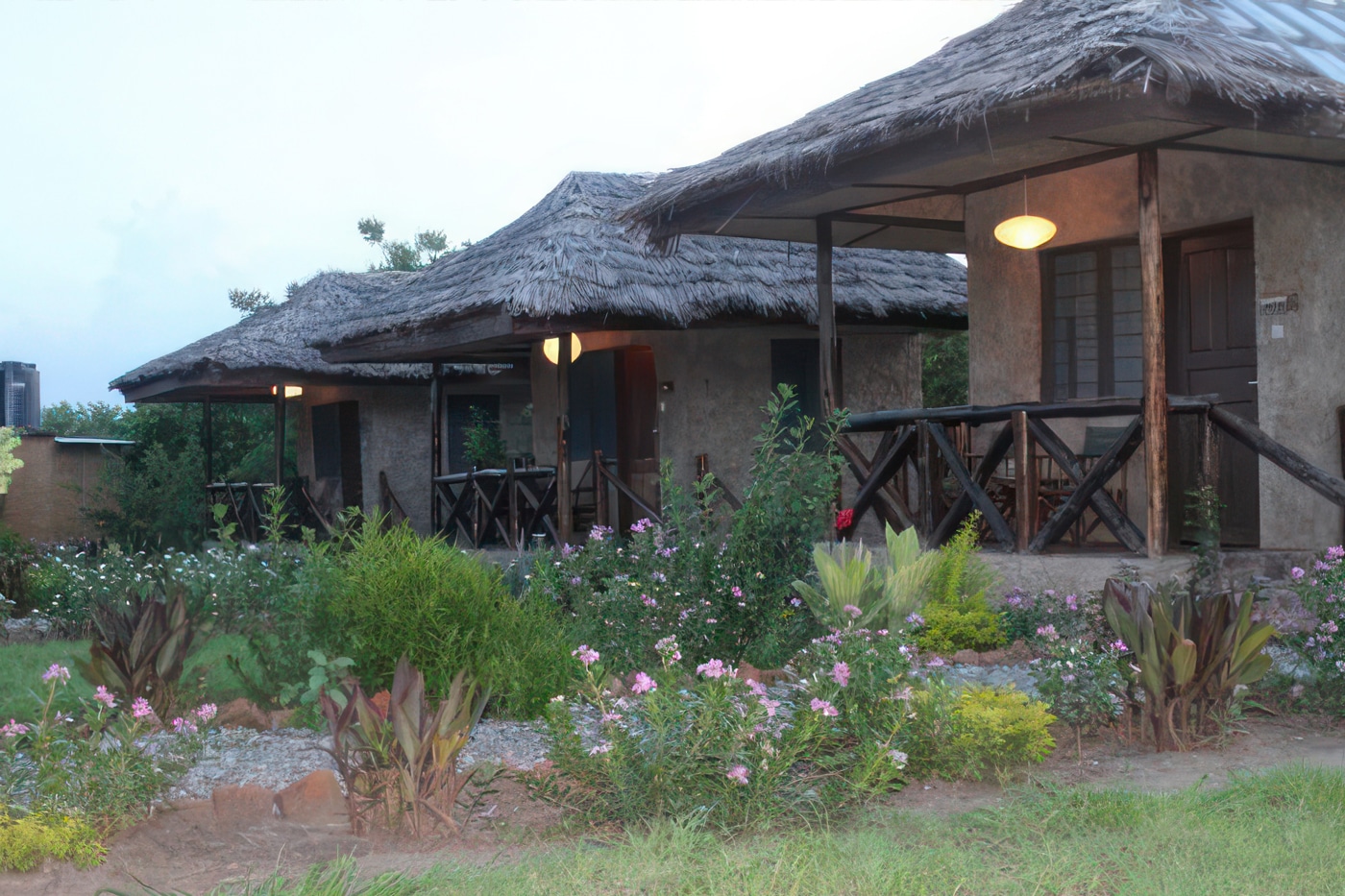 Budget
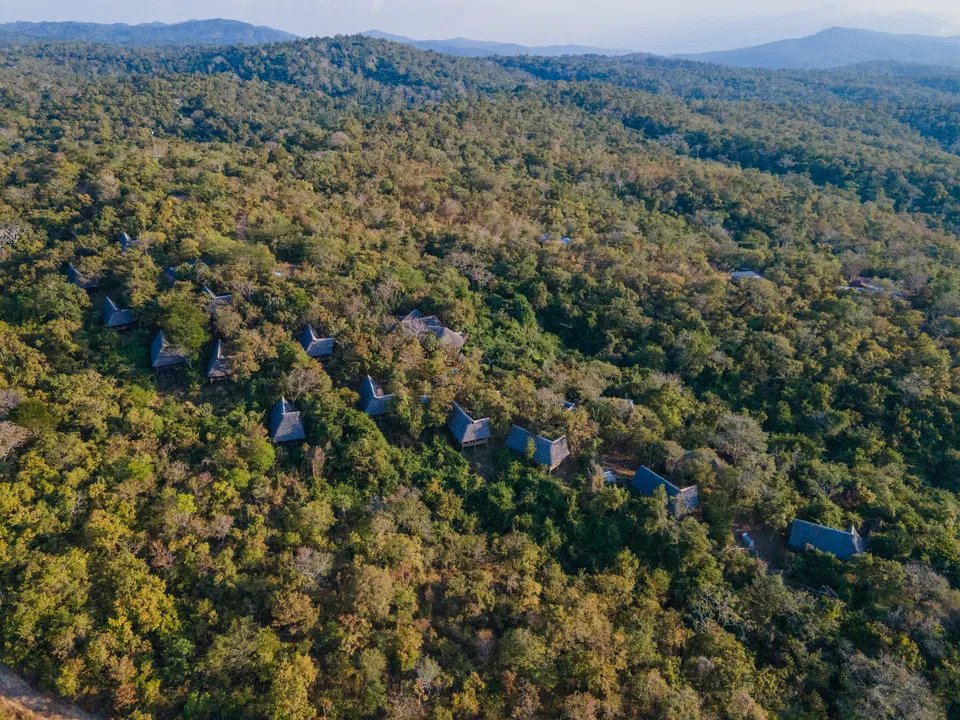 Mid-Range
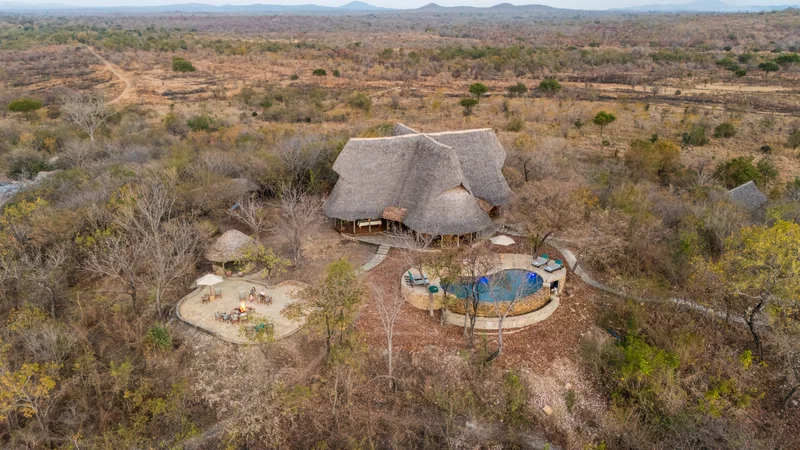 Luxury
Day 6 :
Today you will spend a full day exploring Mikumi.
The morning is often a productive time for wildlife viewing before temperatures rise. Your guide will take you through different parts of the park and look for wildlife around the plains, water sources and woodland areas.
After a picnic lunch, continue your afternoon game drive before returning to your accommodation.
This final full safari day gives you more time to explore rather than rushing directly back to Dar es Salaam.
Accommodations
Budget
Mid-Range
Luxury
Day 7 :
Enjoy breakfast before beginning your journey back to Dar es Salaam.
Depending on your departure plans, we can arrange a direct transfer to your hotel, airport or another agreed location in Dar es Salaam.
If you have a late flight, additional time for a final short game drive may be possible depending on park access and your schedule.
At Zaita Tours, we understand that where you stay can make a big difference to your overall Tanzania experience. That’s why we carefully select a range of accommodations to match different travel styles, comfort levels and budgets. Our accommodation options are grouped into three categories—Budget, Mid-Range and Luxury, based on comfort, facilities, location and overall experience. This gives you the flexibility to choose the style of stay that best suits your holiday, while keeping the same carefully planned safari itinerary.
Our budget accommodations offer comfortable and affordable stays for travelers who want to enjoy Tanzania without spending too much on accommodation. They are carefully selected for clean rooms, comfortable beds, private bathrooms, hot showers, and pleasant dining areas, with some properties also offering swimming pools, Wi-Fi, and attractive surroundings. While facilities and services are simpler than in our higher accommodation categories, you can expect a reliable and enjoyable place to relax after a day of safari.
Budget
Budget
Our Luxury accommodations offer an exceptional level of comfort, service and exclusivity in some of Tanzania’s most remarkable locations. Expect spacious, beautifully designed rooms and suites, premium amenities, excellent dining and attentive service. Many properties feature private plunge pools, outdoor showers, spacious terraces and breathtaking views, making the accommodation an important part of your overall Tanzania experience.
Luxury
Luxury
Luxury
Our Mid-Range accommodations offer an excellent balance of comfort, quality and value. Expect well-designed rooms, comfortable beds, private bathrooms and inviting surroundings, often with beautiful views or natural settings. Many properties also feature swimming pools, quality dining and relaxing outdoor spaces, while some offer the added excitement of seeing wildlife around the lodge.
Mid-Range
Mid-Range
Before traveling to Tanzania, check that your passport is valid and that you meet the entry requirements for your nationality. Many international visitors need a visa, while some nationalities may qualify for visa-free entry.
Tanzania offers an official online visa application system. Depending on your nationality and circumstances, you may be eligible to apply online or obtain a visa on arrival at an approved entry point. Applying online in advance is generally advisable when available, but wait for confirmation before assuming your application has been approved.
You should also check whether you need a return or onward ticket, proof of accommodation, or other supporting documents. Requirements can vary by nationality and visa category.
Before departure, remember to:
Entry rules can change, so verify the latest requirements before booking or traveling.
At Zaita Tours, we want you to enjoy Tanzania's food while staying comfortable and healthy throughout your trip. From local dishes and fresh tropical fruits to meals served at safari lodges and Zanzibar hotels, there are plenty of options to explore. Knowing what to expect and sharing your dietary needs with us before arrival helps our team plan your trip more comfortably.
Tanzanian food includes rice, maize, potatoes, beans, vegetables, meat, fish, and fresh fruits. Hotels and safari lodges also serve international dishes, especially in popular tourist areas.
Some local foods you may encounter include:
Zanzibar also offers Swahili dishes, seafood, coconut-based meals, and a variety of international food. The choices available depend on where you stay and which restaurants you visit.
When we organize your safari, the meals included depend on your itinerary and accommodation plan. Many safari packages include breakfast, lunch, and dinner, while others may include fewer meals.
During game drives, we can arrange packed lunches or meals at designated picnic sites, depending on the route and schedule. In remote parks, restaurants and shops are limited, so meals are usually arranged through your lodge or camp.
Before confirming your booking, we recommend checking which meals and drinks are included in your package. Our team can also communicate your dietary requirements to the accommodation providers included in your itinerary.
We recommend that visitors drink sealed bottled water or properly treated water rather than drinking untreated tap water. This is particularly important when traveling between destinations or staying in remote safari areas.
To help avoid stomach problems during your trip, we recommend that you:
When you stay at a safari lodge or camp, ask the staff or your guide about the drinking water provided. During a Kilimanjaro climb, your climbing team should explain how water is collected and treated along the route.
We want you to spend your time enjoying Tanzania rather than dealing with an upset stomach. A few simple precautions can help reduce the risk of food-related illness.
These precautions are useful throughout Tanzania, including on safari and during your stay in Zanzibar.
Yes, we can communicate your dietary requirements to the accommodation providers included in your itinerary and help coordinate suitable meals in advance. Vegetarian meals are available in many hotels and lodges, often using rice, beans, vegetables, potatoes, and other plant-based ingredients.
If you follow a vegan diet, need gluten-free meals, avoid dairy, or have religious dietary requirements, please tell us before your trip. Ingredients and preparation methods vary, so we will communicate your needs as clearly as possible and confirm arrangements with the relevant providers.
If you have a food allergy, especially a severe one, let us know exactly which ingredients you must avoid and how serious the reaction can be. We can pass this information to the accommodation providers, but their ability to prevent cross-contact depends on their kitchen facilities and procedures.
For serious allergies, carry your prescribed emergency medication and discuss any essential precautions with us before confirming your trip.
If your itinerary includes Mount Kilimanjaro, meals are generally prepared by the climbing operator and mountain crew. Climbers need enough food and fluids to support long days of walking at high altitude.
We recommend telling us about your dietary needs before your climb so they can be communicated to the relevant team. You can also ask what meals are provided and whether you should bring your own snacks, such as energy bars that suit your diet.
Water should be treated according to the climbing team's procedures. Follow their guidance on drinking regularly throughout the climb, even when the cooler temperatures make you feel less thirsty.
Zanzibar offers a mix of Swahili cuisine, seafood, tropical fruit, and international meals. Hotels and restaurants in popular areas often provide a range of choices, although options can be more limited in quieter locations.
We recommend choosing thoroughly cooked seafood, drinking safe water, and being cautious with ice when its source is uncertain. If you have a seafood allergy, explain it clearly to restaurant staff because cross-contact can occur in kitchens that prepare fish and shellfish.
If you have dietary restrictions, tell us when we plan your Zanzibar stay so we can take them into account when recommending accommodation and arranging meals.
At Zaita Tours, we ask our travelers to share their dietary requirements before arrival. This gives our team time to communicate with the hotels, lodges, and camps included in your itinerary and coordinate suitable meals where possible.
Whether you are vegetarian, vegan, or have food allergies or other dietary needs, please tell us when requesting your trip. We will help clarify what can be arranged at each property and identify any limitations before your journey begins.
Our advice is simple: plan your dietary needs in advance, carry essential medication, and drink safe water throughout your trip. With the right preparation, you can enjoy Tanzania's local food and the experiences that make your visit special.
The best airport to fly into Tanzania depends on where you plan to travel. Most international visitors arrive through Kilimanjaro International Airport, Julius Nyerere International Airport in Dar es Salaam, or Abeid Amani Karume International Airport in Zanzibar.
Kilimanjaro International Airport is the most convenient arrival point for travelers planning a safari in northern Tanzania or a climb up Mount Kilimanjaro. It is located between Arusha and Moshi, making it a practical starting point for trips to Serengeti National Park, Ngorongoro Crater, Tarangire National Park, and Lake Manyara. Our team can arrange airport transfers from JRO to your hotel in Arusha or Moshi.
Julius Nyerere International Airport serves Dar es Salaam, Tanzania’s largest city. It is a suitable choice for travelers visiting southern Tanzania, including Nyerere National Park and Mikumi National Park. It can also be convenient for trips along the southern coast.
Zanzibar’s international airport is the best choice if your trip begins or ends with a beach holiday on Zanzibar Island. Travelers combining a northern Tanzania safari with Zanzibar can fly into Kilimanjaro International Airport and take a domestic flight to Zanzibar after their safari, or arrange the route in reverse.
If you are planning a northern Tanzania safari or a Kilimanjaro climb, choose Kilimanjaro International Airport (JRO). For southern Tanzania safaris, consider Julius Nyerere International Airport (DAR). If Zanzibar is your main destination, fly into Abeid Amani Karume International Airport (ZNZ).
If your itinerary combines a safari, Mount Kilimanjaro, and Zanzibar, we recommend choosing your arrival and departure airports based on your complete travel plan to reduce unnecessary transfers. We recommend confirming your travel itinerary with your tour operator before purchasing non-refundable flights.
At Zaita Tours, our team can help you coordinate your arrival airport, hotel transfer, safari schedule, and onward travel as part of your Tanzania trip. Once your itinerary is confirmed, check the final flight details and make sure your arrival and departure dates match your tour arrangements.
Staying connected in Tanzania is generally straightforward in major towns and cities, although mobile coverage can be limited in remote safari areas and on some mountain routes.
Local mobile SIM cards and data packages are available through telecommunications providers. Requirements for registration and activation may apply, so bring the identification documents required by the provider. You can also check whether your home mobile plan offers suitable international roaming.
Wi-Fi is available at many hotels, lodges, and beach properties, but speed and reliability vary. In remote safari camps, connectivity may be limited or unavailable in some areas. Mobile coverage should not be assumed throughout a national park or during a Kilimanjaro trek.
Before traveling:
If reliable internet is important for work or personal reasons, ask your accommodation about connectivity before confirming your booking.
Tanzania is home to many ethnic communities, languages, and cultural traditions. Visitors are generally welcomed warmly, and learning a few local customs can make interactions more enjoyable.
Swahili is the national language and is widely spoken, while English is commonly used in tourism and many business settings.
A few useful Swahili phrases include:
Greetings are an important part of everyday interaction. Taking a moment to greet someone politely before asking a question is often appreciated.
When visiting villages, markets, religious sites, or local homes, dress respectfully and ask permission before taking photographs of people. Some people may not want to be photographed, and it is important to respect their wishes.
On Zanzibar, which has a strong Muslim cultural influence, modest clothing is particularly appropriate when visiting Stone Town and other communities. Beachwear is suitable at the beach or pool, but covering your shoulders and knees when walking through towns is a respectful choice.
Tanzania’s cultural experiences are varied, so follow the guidance of your local guide and approach traditions with curiosity and respect.
Tanzania has different climates across its regions, so the best time to travel depends on what you want to experience. Safari conditions, mountain weather, and beach conditions can vary even during the same month.
For many northern Tanzania safari destinations, the dry season from June to October is popular because wildlife is often easier to spot around water sources and vegetation is generally less dense. However, Tanzania offers wildlife viewing throughout the year, and the best period depends on the parks you visit and the animals you hope to see.
January to March can be a rewarding time to visit the southern Serengeti and Ndutu area for the wildebeest calving season, depending on rainfall and herd movements. The timing and location of the Great Migration change from year to year, so sightings cannot be guaranteed.
Mount Kilimanjaro can be climbed at different times of the year, but weather conditions affect visibility, trail conditions, and summit temperatures. Proper clothing and a suitable itinerary are essential regardless of the season.
Zanzibar is warm throughout the year. Many visitors prefer the drier periods for beach activities, while heavier rains can affect outdoor plans during parts of the year. Sea conditions and visibility for snorkeling and diving also vary.
When choosing your travel dates, consider your main priorities: wildlife viewing, the Great Migration, mountain trekking, or a beach holiday. Our team can help you select a suitable itinerary based on your interests and available time.
Tanzania welcomes visitors to a wide range of destinations, from busy towns to remote national parks and coastal communities. As with any international trip, staying aware of your surroundings and taking sensible precautions can help you travel more comfortably.
Keep valuables secure, avoid displaying large amounts of cash, and use reputable transport providers or transfers arranged in advance. Ask your accommodation or guide for local advice about safe routes and areas, especially after dark.
During a safari, always follow your guide’s instructions. Stay inside the vehicle unless your guide confirms that it is safe and permitted to get out. Never approach, feed, or attempt to touch wild animals.
If you visit local markets or busy public areas, keep bags and phones secure and remain aware of your surroundings. Save your accommodation details and important contact numbers on your phone, and keep a copy of your passport separate from the original.
Before departure, check your government’s current travel advice for Tanzania, including any regional safety updates.
For emergencies in Tanzania, the general emergency numbers commonly listed are 112 and 999. Availability and response may vary by location, so also keep your accommodation and tour operator’s contact details accessible.
Knowing what to pack for Tanzania helps you prepare for different weather conditions and activities during your trip. What you need depends on when you travel, where you plan to go, and whether your holiday includes a wildlife safari, a Mount Kilimanjaro climb, a Zanzibar beach stay, or a combination of these experiences.
Tanzania has a range of climates. Safari destinations can be warm during the day and cool in the early morning, while temperatures on Mount Kilimanjaro drop significantly as you climb higher. Zanzibar is generally warm and humid, so lightweight clothing and sun protection are important.
You do not need to bring everything you own. Focus on comfortable clothing, suitable footwear, personal essentials, and any specialist equipment required for your activities.
Safari days often begin early, when temperatures can be cool, and continue through the warmer hours of the day. Lightweight clothing that you can layer is usually the most practical choice.
Neutral colors such as khaki, beige, brown, and olive are popular for safari clothing. They help you blend into the natural surroundings and are practical for outdoor activities. Bright colors are not necessarily forbidden, but comfortable, understated clothing is a convenient choice.
Recommended safari packing list:
You do not need to buy an entirely new safari wardrobe. Comfortable outdoor clothing you already own is often suitable. If your safari includes cooler highland areas, pack an extra warm layer.
Climbing Mount Kilimanjaro requires more preparation than a regular safari. Temperatures change as you move from the warm lower slopes through forest and moorland to the cold summit zone. You may experience sunshine, rain, wind, and freezing temperatures during the same trek.
Layering is essential. Several clothing layers allow you to adjust to changing conditions without becoming too hot while walking or too cold during rest stops.
Essential Kilimanjaro clothing and equipment includes:
Your trekking operator may provide or arrange certain equipment, such as sleeping bags, sleeping mats, or trekking poles, depending on the package. Confirm what is included before purchasing or renting equipment. Follow your operator's complete packing list, as the requirements can vary by route, season, and accommodation arrangements.
Pack your essential trekking items carefully, and avoid unnecessary weight. Your daypack should contain what you need during the day's hike, while other equipment can be carried according to the arrangements for your chosen route.
Zanzibar has a warm, tropical climate, making lightweight clothing ideal for most beach holidays. The sun can be strong, and humidity can be high, so breathable fabrics and reliable sun protection are useful.
Recommended Zanzibar packing list:
Zanzibar has a strong Muslim cultural influence, especially in Stone Town and local communities. Swimwear is appropriate at the beach and pool, but when walking around town or visiting cultural and religious sites, choose clothing that covers your shoulders and knees. Dressing respectfully helps you feel comfortable while visiting local communities.
If you plan to snorkel, dive, or take a boat trip, ask your activity provider what equipment is supplied and what you should bring yourself.
Regardless of your itinerary, a few items are useful across most Tanzania holidays.
Before leaving home, check that you have:
Tanzania generally uses Type D and Type G electrical sockets, with a standard supply of around 230 volts and 50 Hz. Check whether your chargers support this voltage and bring a compatible adapter if needed.
It is also sensible to keep essential medication, travel documents, valuables, and a change of clothes in your hand luggage when flying. This can be helpful if your checked baggage is delayed.
Your packing list may need small adjustments depending on when you visit Tanzania.
During drier months, lightweight clothing, sun protection, and a warm layer for early mornings are particularly useful. During rainy periods, waterproof outerwear, quick-drying clothing, and shoes suitable for wet conditions can make outdoor activities more comfortable.
For safaris, remember that early morning temperatures may be cool even when afternoons are warm. For Kilimanjaro, prepare for cold conditions at higher elevations regardless of the temperature in Arusha. For Zanzibar, prioritize breathable clothing, sun protection, and a light rain layer when appropriate.
Check the forecast for your destinations shortly before departure, but do not rely on the forecast alone when preparing for a mountain trek.
For a safari or Zanzibar holiday, most travelers can use clothing and personal items they already own. You may only need to purchase a few practical items, such as insect repellent, a sun hat, or a suitable day bag.
For Mount Kilimanjaro, some specialist equipment may be available to rent through your trekking operator. Renting can reduce the amount of gear you need to purchase, particularly for bulky items you may rarely use after the trip. However, it is important to check the condition, fit, and availability of rented equipment in advance.
We recommend confirming the equipment included in your package before you travel. This helps you avoid bringing unnecessary items or arriving without something essential.
The best packing list is one that matches your actual itinerary. A short safari requires less specialist equipment than a Kilimanjaro climb, while a Zanzibar holiday calls for lighter clothing and beach essentials.
At Zaita Tours, our team can advise you on what to bring for your planned safari and other Tanzania experiences. If your trip combines wildlife viewing, mountain trekking, and Zanzibar, prepare for each activity separately so you have the right clothing and equipment throughout your holiday.
The Tanzanian shilling (TZS) is the local currency. In major towns and tourist areas, some hotels, tour operators, and other travel businesses may also accept foreign currency or card payments, depending on their payment arrangements.
Credit and debit cards are useful at many hotels and larger businesses, but you should not rely on cards everywhere. Smaller shops, local markets, and remote safari destinations may have limited payment facilities.
ATMs are available in major towns and cities, including Arusha and Dar es Salaam, but access can be limited in remote areas. It is sensible to carry some local currency for small purchases and places where cards are not accepted.
Useful money tips:
Tipping is common in Tanzania’s tourism industry, but the amount depends on the service, length of the trip, and your satisfaction. You may wish to budget separately for your safari guide, mountain crew, hotel staff, and other service providers. For Kilimanjaro climbs, ask your operator for guidance on customary tipping arrangements.
Preparing for your health needs is an important part of planning a Tanzania holiday. We recommend speaking with a qualified travel health professional several weeks before departure to discuss vaccinations, malaria prevention, and any medicines you may need.
Malaria occurs in parts of Tanzania, including many popular safari and coastal destinations. Ask your healthcare professional whether preventive medication is appropriate for your itinerary. Using insect repellent, wearing suitable clothing, and sleeping in accommodation with appropriate mosquito protection can also help reduce bites.
Yellow fever vaccination requirements depend on your travel history, including certain arrivals or extended transits through countries with yellow fever risk. Check the current rules with an official health authority before traveling.
To help protect your health during your trip:
Travel insurance is strongly recommended. Choose a policy that covers medical treatment, emergency evacuation, and cancellation or interruption costs where appropriate. If you plan to climb Kilimanjaro, check that your policy specifically covers high-altitude trekking and any required evacuation.
At Zaita Tours, we help travelers choose accommodation that matches their budget, comfort level, and travel plans. Tanzania offers a wide range of places to stay, from comfortable hotels in Arusha to safari lodges and tented camps near national parks. Understanding the differences before booking helps you know what to expect during your safari, Kilimanjaro climb, or Zanzibar holiday.
The accommodation you choose affects your comfort, location, meals, and overall travel experience. We generally help our travelers choose from the following options.
Hotels: Hotels are common in towns and cities such as Arusha, Moshi, and Dar es Salaam. They are useful before or after a safari or mountain climb and may offer restaurants, Wi-Fi, private bathrooms, air conditioning, and other facilities depending on the property.
Safari lodges: Safari lodges are located inside or near wildlife areas. They often provide private rooms, en-suite bathrooms, restaurants, and spaces where guests can relax between game drives. Facilities and standards vary by lodge.
Tented camps: Tented camps provide a closer connection to the natural surroundings while offering more comfort than traditional camping. Many have proper beds, private bathrooms, and dining facilities, although the level of comfort and bathroom arrangements differ between camps.
At Zaita Tours, our accommodation options range from budget-friendly to mid-range and luxury. Our budget options focus on clean, comfortable hotels, lodges, and suitable tented camps that offer good value. We do not use basic public campsites as our standard accommodation option.
Accommodation categories can help you compare options, but they do not guarantee identical facilities at every property.
We recommend choosing accommodation based on the actual property, location, facilities, and recent reviews rather than relying on the category alone. We can explain the options included in your itinerary before you confirm your booking.
Facilities vary depending on the property and its location. Many safari accommodations offer comfortable beds, private or shared bathroom facilities, meals, and places to relax after a game drive.
However, accommodation in remote wildlife areas may operate differently from a hotel in a city. Wi-Fi can be limited, mobile signals may be weak, and electricity or hot water may depend on the property's systems. Some camps use solar power or generators, and charging facilities may be limited at certain times.
If a particular facility is important to you, such as air conditioning, reliable Wi-Fi, a private bathroom, or charging access, tell us before booking so we can check the available options.
Many safari packages include meals at the lodge or tented camp, often breakfast, lunch, and dinner. The exact arrangement depends on your itinerary and the accommodation selected.
On days with long game drives, lunch may be packed for a picnic stop rather than served at the lodge. Drinks, alcoholic beverages, laundry, and special dining arrangements may cost extra unless they are specifically included in your package.
We recommend checking your itinerary carefully so you know which meals and services are covered. Please also tell us about vegetarian meals, food allergies, or other dietary requirements before arrival.
A safari day often starts early because wildlife can be active in the cooler morning hours. Depending on your itinerary, you may have breakfast before leaving for a game drive, enjoy a picnic lunch in the park, and continue exploring before returning to your accommodation.
Some days involve longer drives between parks, while others allow more time for wildlife viewing. The schedule depends on the distance between destinations, park regulations, wildlife conditions, and your chosen itinerary.
Our safaris are 100% private, meaning you travel with your own guide and safari vehicle rather than joining a group of unrelated travelers. We plan the route around your booked itinerary and interests, while allowing for the practical conditions of the day.
Tanzania is home to the Big Five: lions, leopards, elephants, buffaloes, and rhinos. However, wildlife sightings cannot be guaranteed because animals move freely through their habitats.
Your chances of seeing particular animals depend on the parks you visit, the season, the time spent on game drives, and natural conditions. Our guides use their local knowledge and experience to help you look for wildlife, but a safari is an experience in nature, not a scheduled wildlife show.
We encourage travelers to enjoy the variety of animals, birds, landscapes, and smaller wildlife they encounter rather than judging a safari only by whether they see every member of the Big Five.
Travel times vary according to the route, road conditions, weather, wildlife-area access roads, and stops along the way. A transfer between parks can take several hours, and some safari days include substantial time in the vehicle.
We plan our itineraries to balance driving with wildlife viewing as much as possible. Before booking, we recommend checking the daily route and overnight locations so you understand how much time you will spend traveling and how much time is available for game drives.
Your guide plays an important role in your experience. Our safaris include a dedicated guide who helps with the daily schedule, explains wildlife and local environments, and looks for opportunities to observe animals safely and responsibly.
Wildlife sightings depend on natural conditions, so the guide cannot promise that every animal will appear. You can, however, discuss your interests with your guide, such as photography, birdwatching, landscapes, or particular animals, to help shape the experience within your itinerary.
Before confirming your trip with us, consider the following:
We can explain the accommodation included in your proposed itinerary and clarify the facilities before you make your decision.
Each part of your Tanzania holiday has different accommodation needs. A safari may involve lodges or tented camps near wildlife areas, a Kilimanjaro climb involves mountain campsites or huts depending on the route, and Zanzibar offers hotels and beach resorts.
We recommend planning these stays together so your arrival dates, transfers, activity schedules, and departure flights fit comfortably. If you have preferences for room type, comfort level, location, or budget, tell our team when requesting your itinerary.
The best accommodation is not always the most expensive. It is the one that fits your travel priorities, offers the facilities you need, and works well with your safari route.
At Zaita Tours, we help you compare accommodation options based on comfort, location, value, and the experience you want from Tanzania. Before you book, we encourage you to review the proposed properties and daily itinerary so you know what is included and what to expect throughout your trip.
Activities information coming soon.
* indicates a required field.
Starting From
Per Person • Taxes Included
 Tanzania Safari
 Tanzania Safari
Loading...
Loading...