
Zaita Tours
Tanzania Travel

Discover Tanzania, Travel with Confidence

From unforgettable safaris and Mount Kilimanjaro to Zanzibar’s sunlit shores, get practical advice to plan a safer, smoother journey.

Check Visa Requirements

Getting Ready for Tanzania

Tanzania is a big country with a lot of variety. You can watch lions on the Serengeti plains, descend into the Ngorongoro Crater, climb Kilimanjaro, and end your trip on a Zanzibar beach. That variety is part of what makes Tanzania such a rewarding place to visit, and it is also why a little preparation matters. A few things are much easier to sort out before you fly than after you land.

This page covers those things: entry rules, health, money, packing, safety, and local customs. These are the questions travelers ask most, answered in plain terms. Where rules or requirements can change, we will say so and point you to the official source.

This guide is not about which trip to book. It is about helping you know what to expect and get ready for Tanzania before you arrive. Get the practical side sorted, and the trip itself becomes easier to enjoy.

Do You Need a Visa for Tanzania?

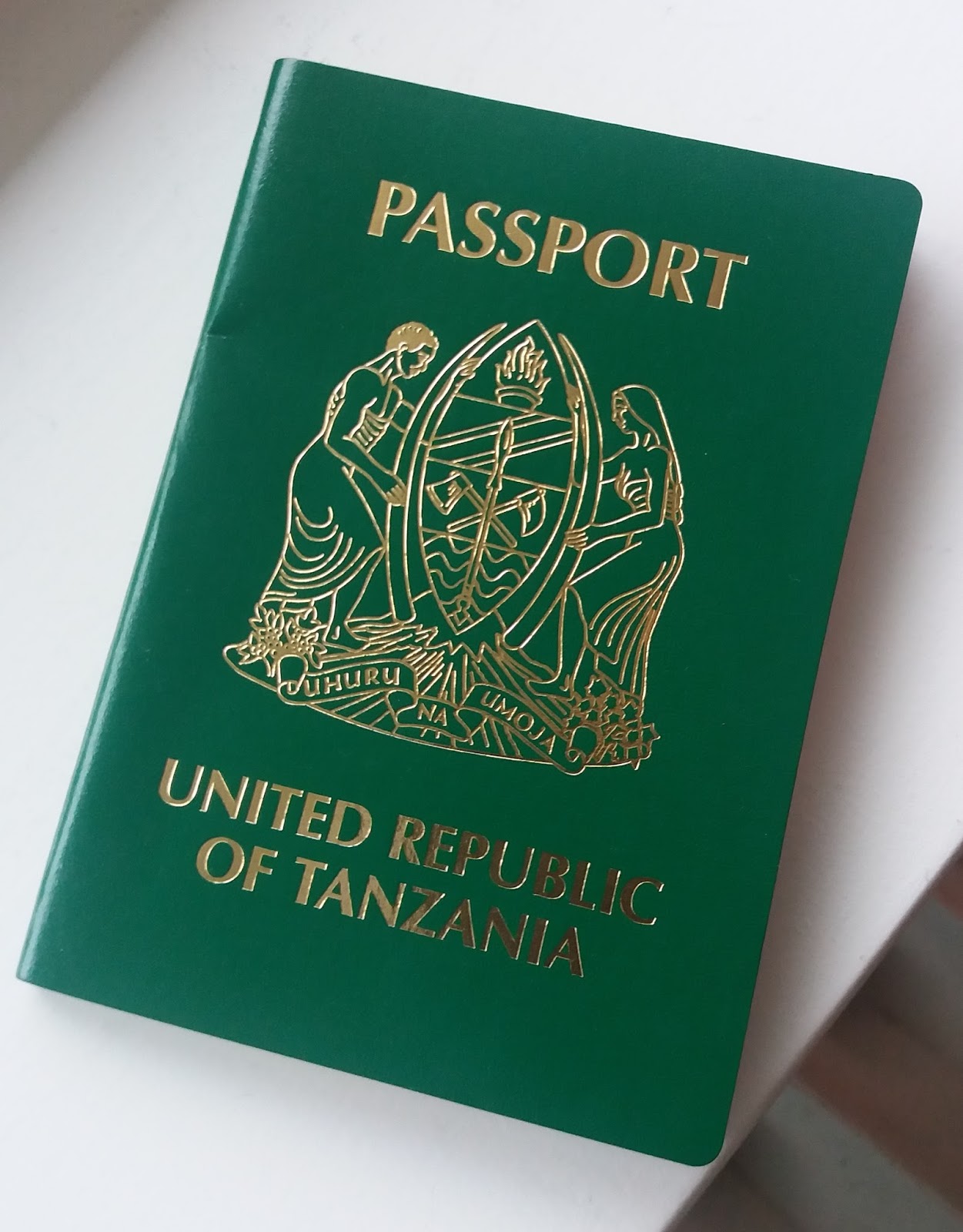
Most visitors need a visa, though some nationalities can enter visa-free. The rules depend on your passport, so check yours before you book flights. Your passport also needs at least six months of validity from your arrival date and one blank page for immigration.

You can apply online through Tanzania's official visa system. The government recommends applying in advance rather than on arrival, because the airport queues can be long and the process involves several steps. Most applications are processed within 10 working days, but some nationalities fall under referral rules that take longer.

For a full breakdown of fees and the US citizen rule, see our Tanzania visa requirements guide.

 Health, Vaccinations, and Malaria

There is no need to worry, but some preparation helps. Talk to a travel health professional before you go, and ask about vaccinations, malaria prevention, and anything specific to your route. What you need depends on where you are coming from and which parts of Tanzania you plan to visit, so personal advice beats a generic checklist.

Yellow fever proof is required if you arrive from a country with yellow fever risk. It is not required if you fly directly from most European or North American cities. If you cannot receive the vaccine for medical reasons, a doctor's letter can waive the requirement.

Bring enough of your regular medication for the whole trip, plus a few extra days in case of delays. Keep it in the original packaging, along with a copy of your prescription.

Money, Cards, and Cash

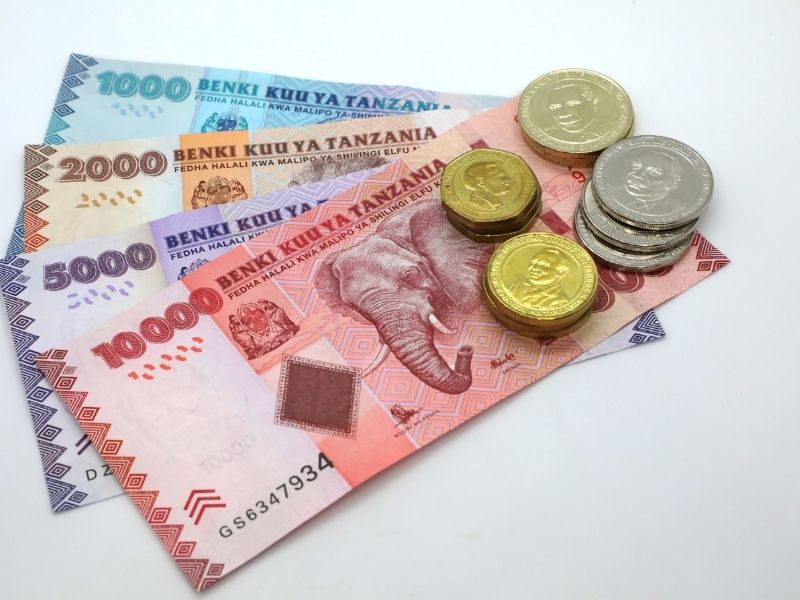
The currency is the Tanzanian shilling. US dollars are widely accepted in tourism, but not everywhere. A mix works best: a card for larger payments, shillings for everyday buys, and some dollars where they are accepted. Keep a backup payment method separate from the rest.

ATMs exist in towns and cities, but they thin out fast once you head into safari areas. Before you enter a park, make sure you have cash. There is no ATM in the bush, and lodges cannot always break large notes.

Most safari costs are already covered in your package. Your personal spending is mainly tips, drinks, souvenirs, and optional activities. Knowing that in advance makes budgeting easier.

What to Pack for Tanzania

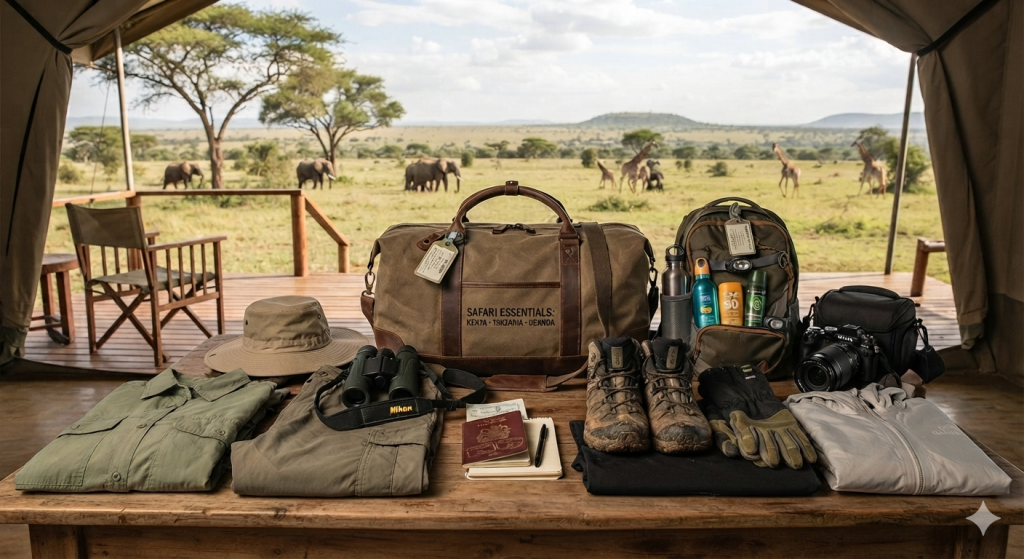
You do not need your whole wardrobe. Neutral colors work best on game drives, and layers matter more than thick clothing, because mornings and evenings can be cold. Around Ngorongoro and Kilimanjaro, temperatures drop sharply after sunset.

Pack light clothing for the day, a warm fleece, comfortable walking shoes, a sun hat, sunscreen, insect repellent, and a light rain jacket. Bring a power bank and a reusable water bottle. If you are adding Zanzibar, add swimwear and beach clothing. If you are climbing Kilimanjaro, your list will be longer and much colder.

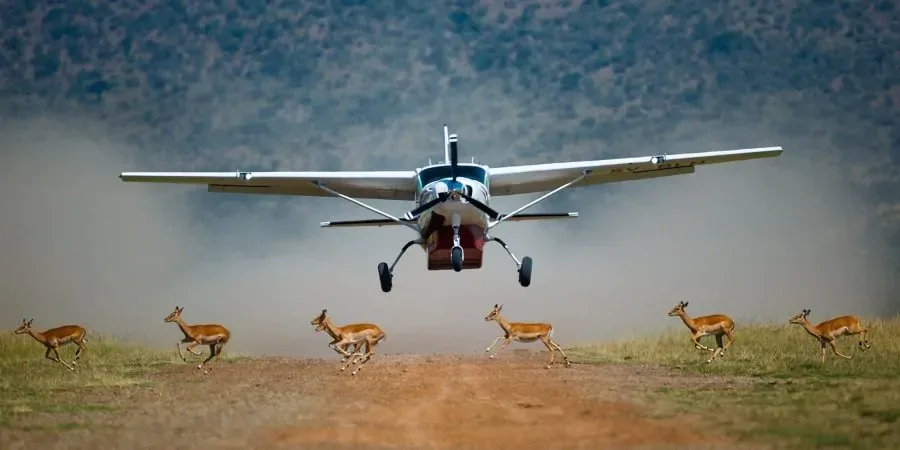
If you are flying between parks, remember the luggage limit. Most safari flights allow 15 kg per person in a soft-sided bag. Hard suitcases do not fit in the cargo holds.

Is Tanzania Safe for Tourists?

Millions of people visit Tanzania each year for safaris, Kilimanjaro, and Zanzibar. As with travelling anywhere, common sense covers most of it.

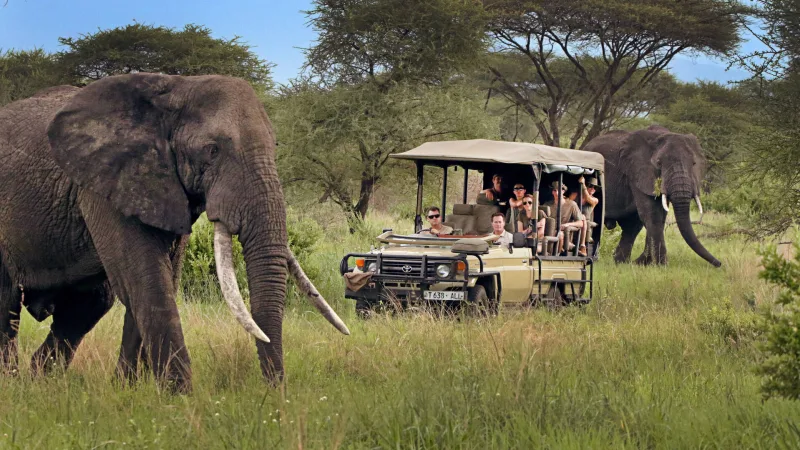
On safari, the most important rule is to follow your guide. Stay in the vehicle unless told otherwise, keep quiet near wildlife, and never approach animals on foot. Your guide knows the behavior of the animals you are watching, and their instructions are there for a reason.

In towns and cities, keep valuables secure, avoid displaying large amounts of cash, and use reputable transport. Your tour operator can tell you what is appropriate in different situations during your trip.

Tipping and Local Etiquette

Tipping is common in Tanzania's tourism industry and is seen as a way of showing appreciation for good service. It should reflect what you received, not pressure. As a starting point, many travellers budget $10 to $20 per person per day for their safari guide, and less for general lodge staff. Your tour operator can explain what is usual for your specific itinerary.

When you visit villages or meet local people, ask before taking photographs. People are not tourist attractions, and a simple request shows respect. Dress appropriately at cultural and religious sites, and listen to your guide's advice.

You do not need to know everything about Tanzanian culture before you arrive. Curiosity and respect go a long way.

Internet, SIM Cards, and Electricity

You will usually find mobile signal and Wi-Fi in cities, towns, and most lodges. Do not expect it everywhere on safari. Some remote areas have no coverage, and lodge Wi-Fi varies in speed. Download documents, maps, and entertainment before you head to remote areas.

Tanzania uses 230V and Type G plugs. Bring a universal adapter if your devices use a different plug and a power bank for long days in the vehicle. Some remote camps have limited charging hours, so top up whenever you can.

Being offline for a few hours is not a problem. It often makes the safari better.

Ready to Plan the Trip Itself?

This page is about getting ready. If you are still deciding where to go, the Tanzania safari guide explains the difference between the north and the south. If you are ready to compare trips, you can browse our tours.

Explore by Interest
Safaris in Tanzania
Safaris in Tanzania

Tanzania is home to some of the world's most iconic wildlife destinations. On a safari, you can explore the Serengeti National Park, witness the Great Wildebeest Migration, and see lions, elephants, leopards, cheetahs, and countless other species in their natural habitat. The Ngorongoro Crater offers a unique ecosystem where wildlife congregates in one of the world's most dramatic volcanic landscapes. Whether you choose a 2-day, 3-day, or multi-day safari, Zaita Tours ensures expertly guided game drives, comfortable accommodations, and unforgettable wildlife encounters.
Mount Kilimanjaro Adventures

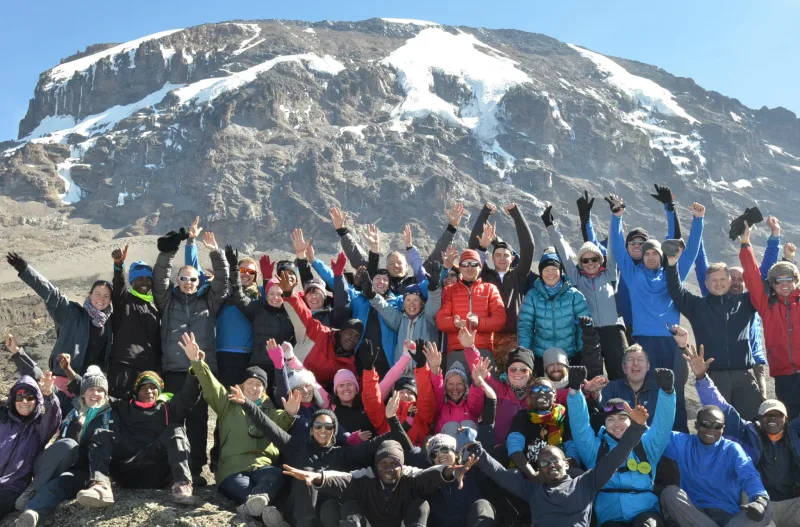
Climbing Mount Kilimanjaro, Africa's highest peak, is a once-in-a-lifetime experience. Tanzania travel includes multiple routes, such as Machame, Lemosho, and Marangu, suited for all skill levels. Whether you are seeking a challenging adventure or a scenic trek, Kilimanjaro's breathtaking landscapes—from rainforest to alpine desert—promise unmatched views and memories.

Zanzibar – Beaches
Zanzibar – Beaches

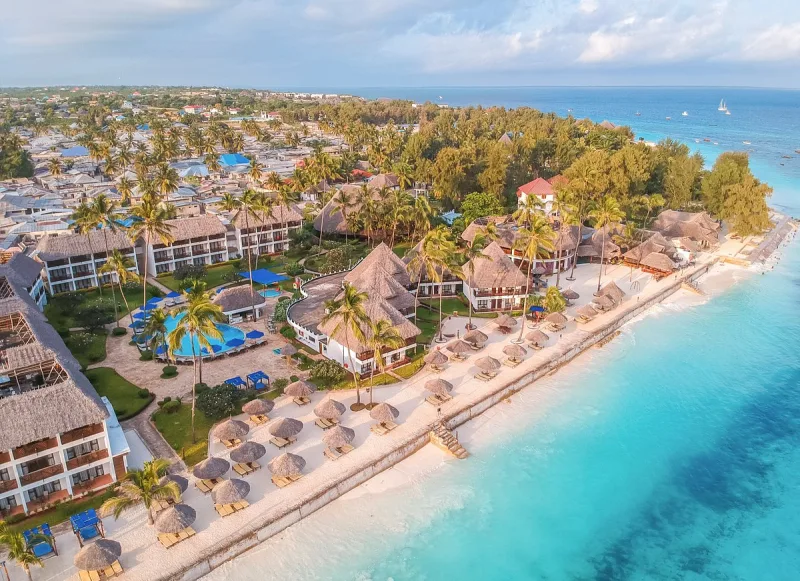
Tanzania travel isn't complete without a visit to Zanzibar. The island is famous for pristine beaches, turquoise waters, and rich cultural history. Explore Stone Town's narrow streets, spice plantations, and vibrant markets, or simply unwind at luxury beach resorts. Zanzibar is perfect for couples, families, and anyone seeking a mix of relaxation and cultural discovery.

Cultural Experiences

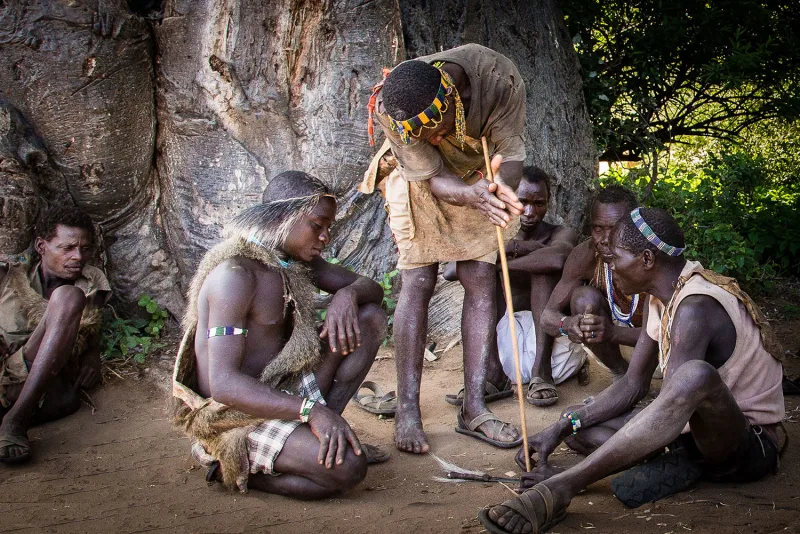
Immerse yourself in Tanzania's rich culture. Meet the Maasai, Hadzabe, Chaga, and Datoga tribes, learn about traditional customs, and experience authentic village life. Cultural tours allow travelers to connect with local communities, witness traditional dances, and understand Tanzania's heritage firsthand.

Ready to Plan Your Tanzania Adventure?

Tell us what you're dreaming of and we'll help you build the perfect itinerary.