In this article 11 sections
- Tanzania Is Bigger Than You Might Expect.
- A Great Safari Is About More Than Seeing the Big Five
- Every National Park Offers a Different Experience
- Your Safari Guide Makes a Real Difference
- Wildlife Does Not Follow a Timetable
- Early Morning Game Drives Are Worth Every Minute
- Some of the Best Moments Happen Away From Crowds
- Tanzania Has More to Offer Than Wildlife
- Pack for Comfort, Not Just for Photos
- Give Yourself Time to Enjoy the Experience
- Make Your Tanzania Safari Your Own
Tanzania Is Bigger Than You Might Expect.

One of the most common mistakes travelers make when planning a Tanzania safari is underestimating the distances between destinations.
When you look at a map, Serengeti National Park, Ngorongoro Crater, Tarangire National Park, and Lake Manyara may appear close together. However, traveling between them can take several hours, depending on your route, road conditions, and stops along the way.
For example, the journey from Arusha to the Serengeti takes time, and the adventure begins long before you reach the park. Along the way, you may pass through local villages, see changing landscapes, and gain a glimpse of everyday life in rural Tanzania.
This is why choosing your destinations carefully is better than trying to visit every park in just a few days.
Spending two or three nights in one area can give you more time for game drives and a more relaxed experience. Instead of packing and moving every day, you can explore your surroundings without constantly watching the clock.
When planning your first Tanzania safari, consider the driving distances and travel times before deciding how many destinations to include.
A Great Safari Is About More Than Seeing the Big Five
Many travelers arrive in Tanzania hoping to see the Big Five: lions, leopards, elephants, buffaloes, and rhinos.
These animals are certainly exciting to see, but they are only part of what makes a safari special. No responsible tour operator can guarantee every sighting because wild animals move freely in their natural environment.
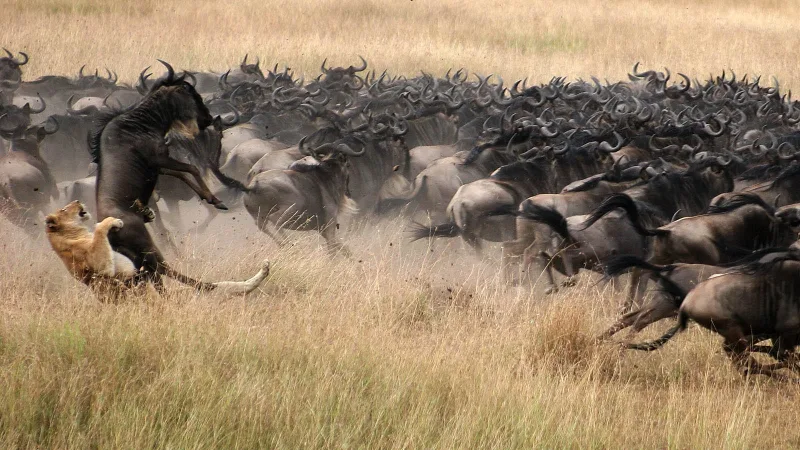
Some of the most memorable moments may be quieter ones. You might watch a family of elephants interacting, see giraffes walking across the savannah, or observe thousands of wildebeest moving through the Serengeti.
Even a small sighting can become a highlight when you understand what you are watching.
Instead of measuring your safari by the number of animals you see, take time to enjoy the landscapes, animal behavior, and changing atmosphere throughout the day.
The beauty of a Tanzania wildlife safari lies in seeing nature as it really is, without knowing exactly what will happen next.
Every National Park Offers a Different Experience

Tanzania has a wide range of national parks, and each offers something different. Choosing the right ones depends on your interests, available time and the kind of safari you want.
Serengeti National Park
The Serengeti is famous for its vast grasslands, large predator populations and the Great Wildebeest Migration.
It is an excellent choice for travelers who dream of seeing lions, cheetahs, elephants, giraffes and herds of wildebeest across open plains.
The migration moves through different parts of the ecosystem throughout the year, so the best area to visit depends on the season and recent rainfall.
Ngorongoro Crater
Ngorongoro offers a different safari experience. Its impressive volcanic landscape surrounds a wildlife-rich crater floor where you can look for elephants, lions, buffaloes, zebras and the endangered black rhino.
Because many animals live within this relatively compact area, the crater can offer excellent wildlife viewing during a single game drive.
Tarangire National Park
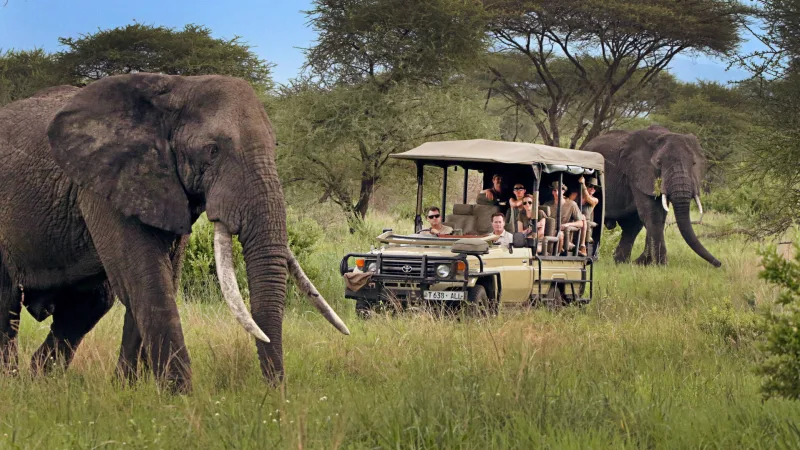
Tarangire is known for its large elephant herds, ancient baobab trees and the Tarangire River.
During the dry season, animals gather around remaining water sources, creating excellent opportunities for wildlife viewing.
It is a particularly attractive choice for travelers who enjoy elephants and distinctive African landscapes.
Lake Manyara National Park
Lake Manyara offers a mix of groundwater forests, open areas, lakeshore habitats and views of the Great Rift Valley escarpment.
The park is also known for its birdlife and provides a different setting from the open plains of the Serengeti.
Southern and Western Tanzania
If you have more time and prefer less-visited safari areas, consider destinations such as Nyerere National Park, Ruaha National Park, Katavi National Park or Mahale Mountains National Park.
These parks offer different landscapes and wildlife experiences. However, distances, transport options, and the best time to visit vary, so careful planning is important.
Choosing parks based on what you want to experience, rather than how many destinations you can fit into your itinerary, will help you make the most of your safari.
Your Safari Guide Makes a Real Difference

When comparing safari packages, it is easy to focus on accommodation, vehicle type, and price. These details matter, but your guide can have just as much influence on your overall experience.
A knowledgeable local guide does much more than drive you around the park. They help you understand animal behavior, identify wildlife, explain the landscape, and share information about Tanzania's nature and culture.
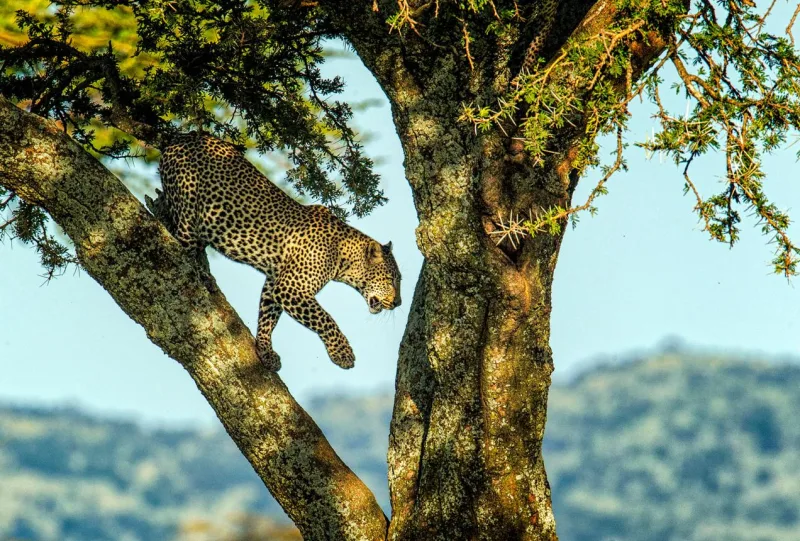
Sometimes, an animal can be difficult to spot even when it is right in front of you. A guide who understands wildlife behavior may notice movement in the grass or a leopard resting in a tree that you would otherwise miss.
A good guide also helps you appreciate the smaller details, from bird calls to the relationship between predators and their prey.
Most importantly, they can help you make the most of the time available while adapting to wildlife activity and conditions on the day.
When choosing a Tanzania safari, look beyond the accommodation and consider the quality of the guiding experience, too.
Wildlife Does Not Follow a Timetable

Wildlife documentaries often show one incredible moment after another. In real life, a safari can be much quieter.
You might spot a lion shortly after entering a park, watch elephants crossing the road, or come across a cheetah resting in the grass. On another day, you may need more time and patience to find the animals you hope to see.
This uncertainty is part of the experience. Wild animals are free to move, rest, hunt, and feed wherever they choose.
Your guide may use knowledge of animal behavior, recent sightings, and local conditions to decide where to look, but no one can control what happens in the wild.
Rather than expecting constant action, enjoy the journey. Notice the changing landscapes, watch how animals interact, and take time to appreciate the quiet moments.
Some of the best safari memories come from unexpected encounters that you never planned for.
Early Morning Game Drives Are Worth Every Minute

An early start may not sound appealing when you are on holiday, but morning game drives can be one of the highlights of a Tanzania safari.
The landscape often feels different just before and after sunrise. The air is cooler, the light is beautiful for photography, and many animals are active during the early hours.
You may see predators returning from a hunt, elephants moving through the bush, or herds beginning their day across the plains.
The experience is not only about wildlife. Watching the sun rise over the savannah, listening to birds calling and seeing the landscape gradually brighten can be special in its own right.
However, not every animal is more active in the morning, and good sightings can happen throughout the day. Your guide can help plan the timing of your game drives around the destination and conditions.
Bring a warm layer for the early morning, especially if you are visiting cooler areas such as Ngorongoro.
Some of the Best Moments Happen Away From Crowds

Popular wildlife sightings can attract several safari vehicles, especially when a lion, leopard, or other well-known animal has been spotted.
Seeing these animals is exciting, but a crowded sighting is not the only way to enjoy a safari.
Tanzania's large protected areas offer opportunities to experience open landscapes and quiet moments in nature. You might watch an elephant feeding beneath a baobab tree, see zebras crossing the plains, or enjoy a peaceful stretch of road with wildlife in the distance.
These moments can feel particularly special because you have time to take in your surroundings rather than focusing only on a single animal.
Spending more time in a park also gives you more opportunities to explore different areas, though wildlife sightings and vehicle numbers vary.
A well-planned itinerary should leave room to enjoy the experience instead of rushing from one reported sighting to the next.
Tanzania Has More to Offer Than Wildlife

Wildlife is a major reason people visit Tanzania, but there is much more to discover beyond the national parks.
Adding a cultural experience to your safari can help you understand the country and its people.
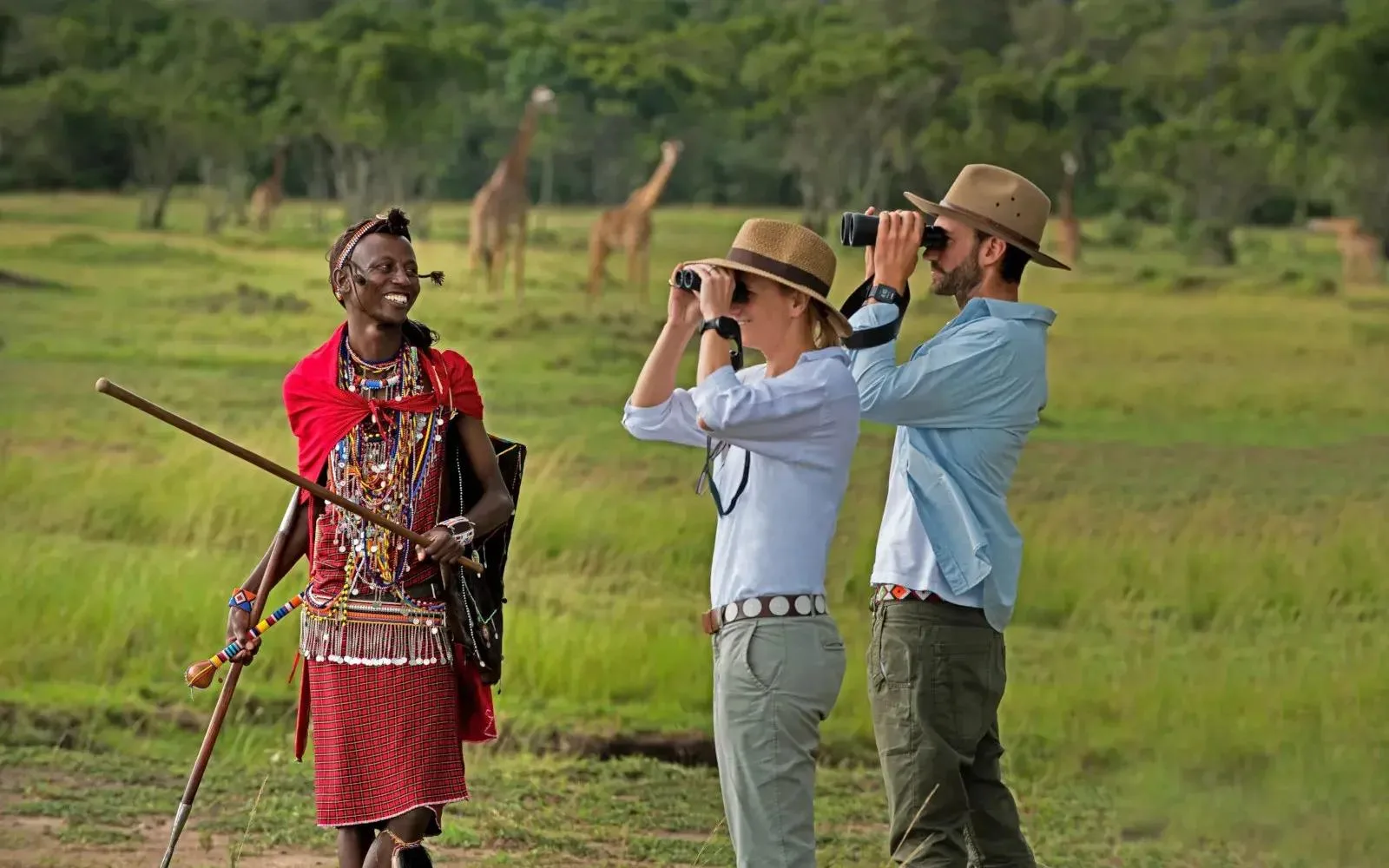
Depending on your route and interests, you could visit a Maasai community, learn how local coffee is grown and prepared near Arusha, or explore a local market and discover Tanzanian food and everyday life.
Conversations with your guide and other local people can also give you a better understanding of Tanzania's traditions, history, and way of life.
These activities do not need to take up your entire day. Even a short cultural experience can add something meaningful to a wildlife-focused holiday.
When planning a visit, choose activities that are respectful of local communities and follow their guidance about photography, customs, and participation.
Leaving room for experiences beyond game drives can turn your safari into a richer introduction to Tanzania.
Pack for Comfort, Not Just for Photos

You do not need to bring your entire wardrobe on safari. Packing a few practical items will usually serve you better than carrying too much luggage.
Tanzania's weather varies by season and destination. Mornings can be cold in places such as Ngorongoro, while afternoons may become warm, especially during game drives in lower-altitude areas.
Lightweight clothing that you can layer is a good choice. Comfortable shoes, a hat, sunglasses, sunscreen, and insect repellent are also useful.
Binoculars can make it easier to spot animals at a distance, while a camera or phone helps you capture the memories. Just remember to enjoy the experience instead of spending the entire game drive behind a screen.
If you are taking a domestic flight between safari destinations, check the airline's luggage rules before packing. Some safari flights have restrictions on luggage weight and may require soft-sided bags.
Useful items to bring include:
- Comfortable, lightweight clothing and a warm layer.
- Comfortable walking shoes.
- A hat, sunglasses, and sunscreen.
- Insect repellent and personal medication.
- Binoculars and a camera, if you use them.
- Travel documents and other essential items.
Pack according to your itinerary and the season. Practical essentials matter more than having an outfit for every occasion.
Give Yourself Time to Enjoy the Experience

It is tempting to fit as much as possible into a Tanzania holiday. With famous parks, mountain adventures and Zanzibar's beaches all available, you may feel that you need to see everything in one trip.
But trying to do too much can leave you spending more time travelling than enjoying your destinations.
A few well-chosen experiences can create a more rewarding holiday than a packed itinerary with little time to relax.
You might choose a multi-day safari to explore the northern circuit, add a cultural visit near Arusha, or continue to Zanzibar for a few days by the sea. If you have enough time and want a physical challenge, a Mount Kilimanjaro climb can be another memorable part of your Tanzania adventure.
The key is to allow enough time for each activity and account for road journeys, flights, and rest.
Build your itinerary around the experiences that matter most to you. You do not need to see everything on your first visit.
Make Your Tanzania Safari Your Own
A Tanzania safari offers much more than a chance to see famous animals. It allows you to experience the wilderness, discover different landscapes, learn about local culture, and enjoy moments that are difficult to plan in advance.
Understanding travel distances, choosing the right national parks, allowing time for wildlife viewing, and packing sensibly will help you get more from your trip.
Most importantly, remember that there is no single way to experience Tanzania. Your ideal safari depends on your interests, available time, comfort preferences, and budget.
Whether you have a few days for a short wildlife adventure or enough time for a longer journey through the Serengeti, Ngorongoro and other destinations, thoughtful planning can make all the difference.
Ready to Plan Your Tanzania Safari?
Tell us when you plan to travel, how many days you have, and which places you would like to visit. We can help you choose a private safari itinerary that fits your interests, travel style, and budget.
Explore our Tanzania safari packages and private Tanzania tours to start planning your adventure.