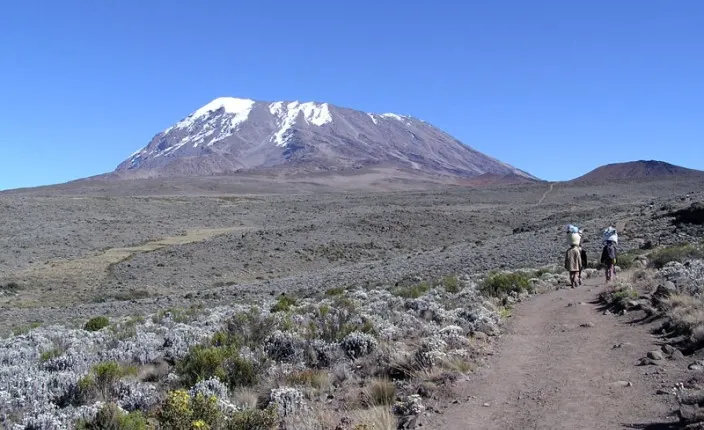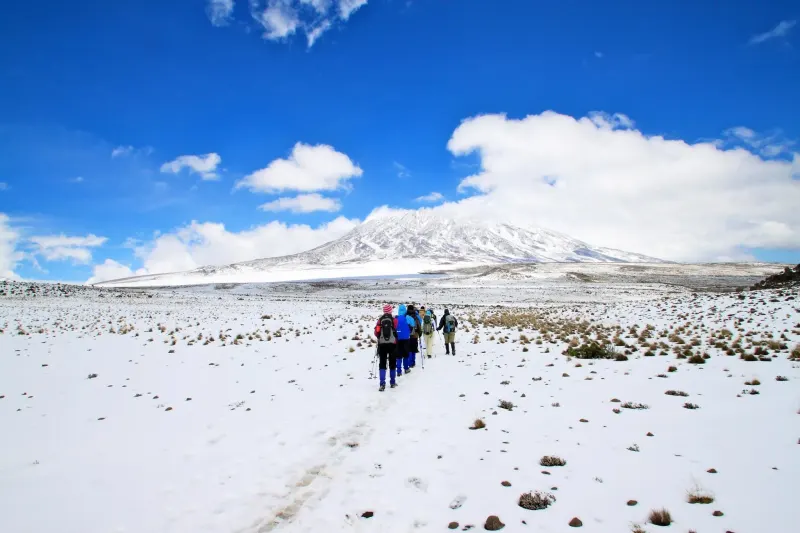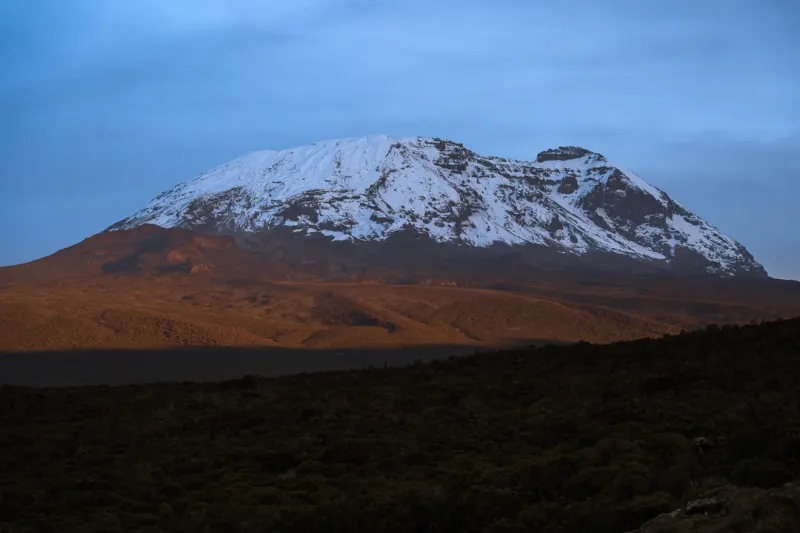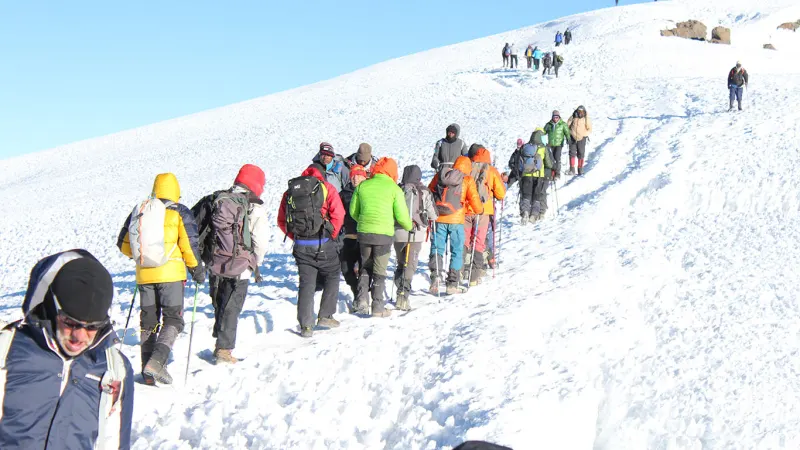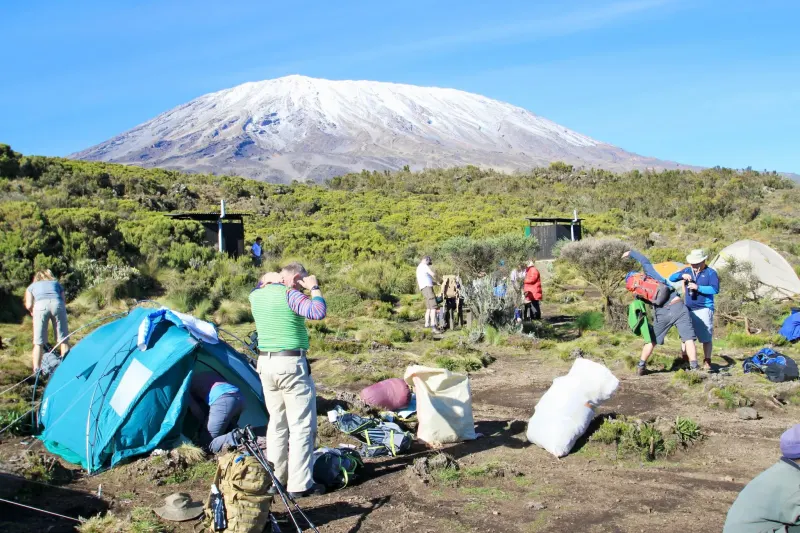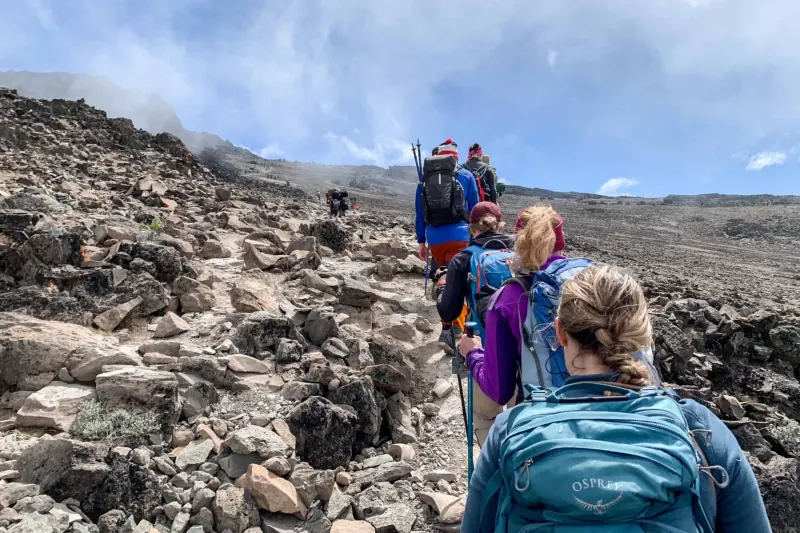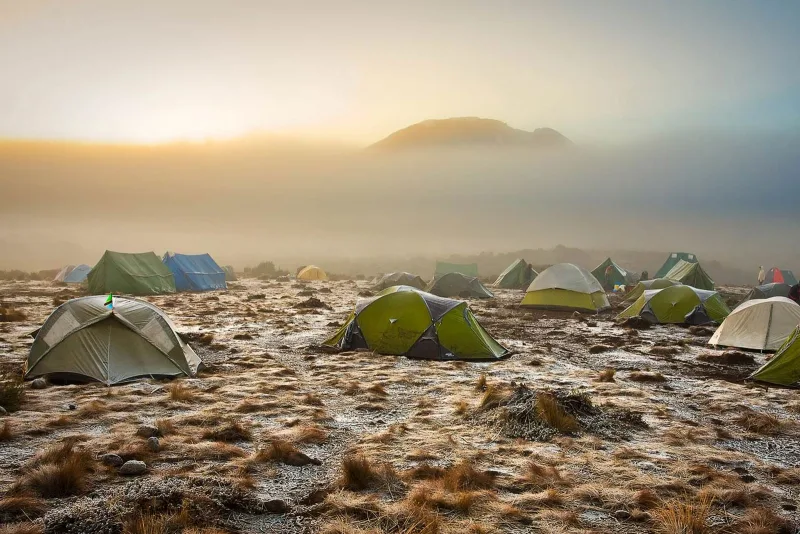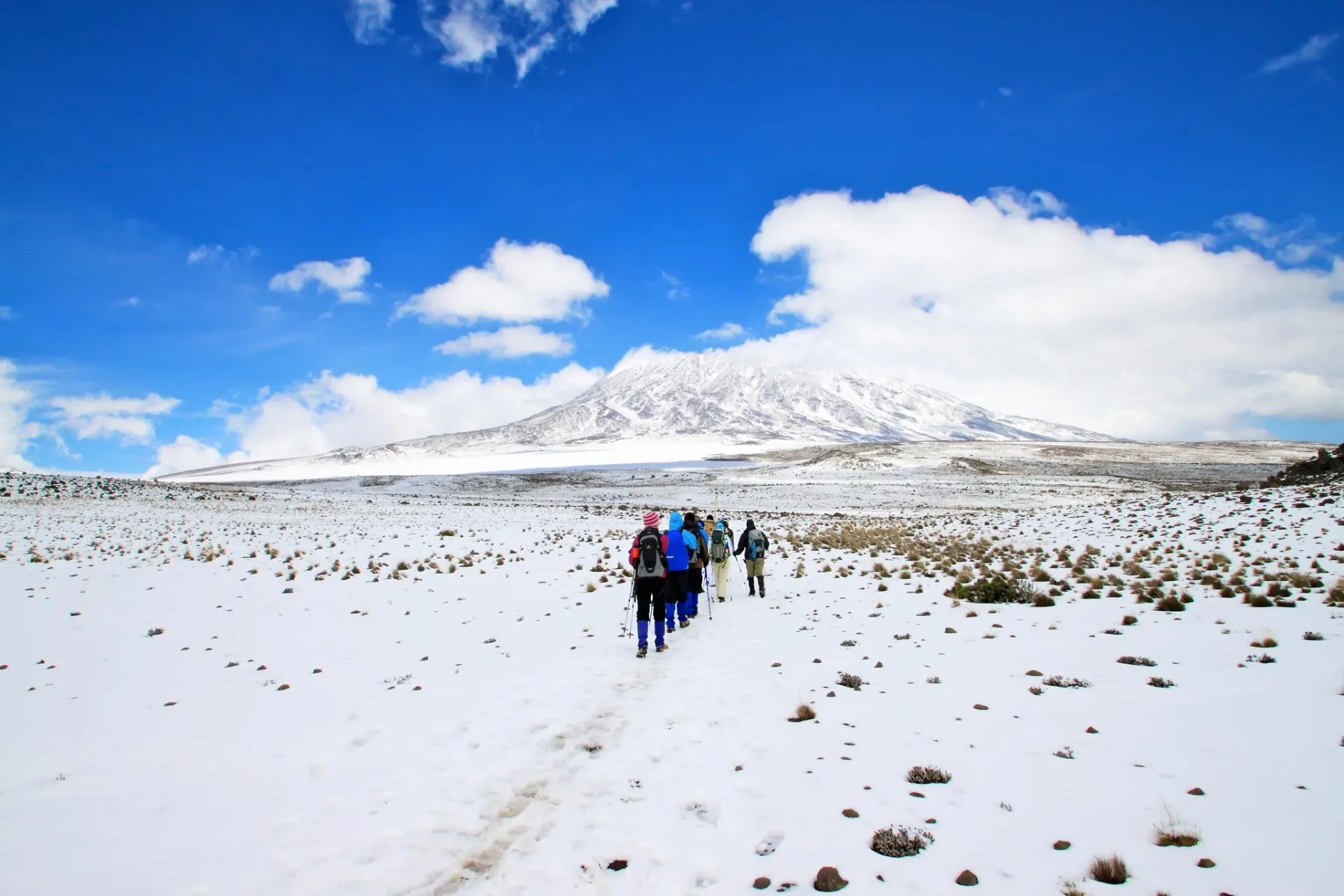
When it comes to conquering Mount Kilimanjaro, selecting the right route is crucial for an unforgettable adventure. Each of the Kilimanjaro routes offers a unique experience, showcasing breathtaking landscapes and diverse ecosystems. From the popular Machame route with its stunning vistas and lush rainforests to the challenging Umbwe route, known for its steep ascents, there's a path suited to every hiker's preferences and skill level. For those seeking a balance of adventure and comfort, the Lemosho route offers a less-traveled path with ample acclimatization days, ensuring a higher success rate for reaching the summit. Whether you're aiming for a scenic trek or a more strenuous climb, understanding the distinct features of each Kilimanjaro hiking route will help you plan your journey effectively.
Kilimanjaro Routes Overview
Marangu Route: Known as the "Coca-Cola" route, Marangu is the oldest and most popular path. This route offers comfortable mountain huts for overnight stays, making it ideal for inexperienced climbers seeking a well-trodden path.
Machame Route: The "Whiskey" route is a scenic and challenging option, with a high success rate for summiting. Its diverse landscapes and gradual ascent allow for better acclimatization, making it an excellent choice for those seeking a more secluded climb.
Lemosho Route: Lemosho, or the "Shira" route, is a lesser-traveled but increasingly popular path known for its spectacular scenery and wildlife encounters. This route allows for ample time to acclimatize and boasts a high summit success rate.
Rongai Route: The Rongai route, approaching from the north, offers a unique wilderness experience away from the crowds. It's a moderately challenging climb, suitable for those looking for a quieter and less-traveled path.
Umbwe Route: Known as the most challenging and direct route, the Umbwe path is best suited for experienced climbers who seek a short yet steep ascent. Its steep, exposed terrain requires good physical fitness and prior mountaineering experience.
Northern Circuit Route: The longest and newest route, the Northern Circuit offers a 360-degree view of Mount Kilimanjaro's diverse landscapes. This route allows for excellent acclimatization and is ideal for those who seek a more extended wilderness experience.
Which Routes Are the Safest?
When it comes to safety on Kilimanjaro, most of the main trekking routes—Marangu, Machame, Lemosho, Rongai, Umbwe, and the Northern Circuit—are considered safe for climbers who follow standard guidelines and trek with caution. These established routes have well-marked trails, experienced guides, and structured itineraries to support hikers at every step.
However, there's one exception: the Arrow Point route is generally avoided due to significant risks of falling rocks and unstable terrain. For these reasons, reputable operators and organizations like the Kilimanjaro National Park Authority advise against attempting this path, as it poses unnecessary dangers even for seasoned climbers.
In summary, stick to the traditional routes listed above for a safe and rewarding Kilimanjaro experience.
How to Choose the Best Kilimanjaro Route?
When selecting a Kilimanjaro route, consider factors such as difficulty, success rate, scenery, and duration. The best Kilimanjaro route for you depends on your experience, fitness level, and personal preferences.
For beginners: The Marangu or Rongai routes offer comfortable accommodation and gradual ascents, making them suitable for first-time climbers.
For experienced climbers: The challenging Umbwe or Northern Circuit routes may appeal to experienced mountaineers seeking a more rugged adventure.
For those short on time: The Umbwe or Marangu routes offer shorter itineraries, allowing climbers to reach the summit in a shorter span.
For scenic routes: Lemosho and Machame routes are known for their stunning vistas and diverse landscapes, providing an unforgettable journey to the summit.