Lake Eyasi · Manyara · Serengeti National Park
Luxury Tanzania Safari 7 Days
- 7 Days / 6 Night
- Up to 6
FROM $2,800* / Kilimanjaro Trek / 7 DAYS / 6 NIGHT
Includes: Experienced, English-Speaking Guides Certified In First Aid And Mountain Rescue., Porters And Support Staff: Friendly And Reliable Porters To Carry Your Gear And Supplies, Ensuring A Comfortable Trek., Nutritious And Delicious Meals Prepared By Our Skilled Cooks, Including Breakfast, Lunch, And Dinner....
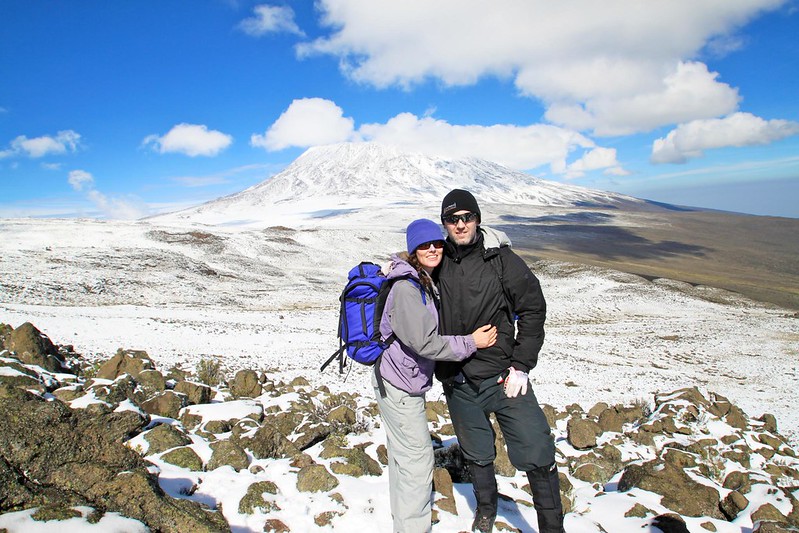
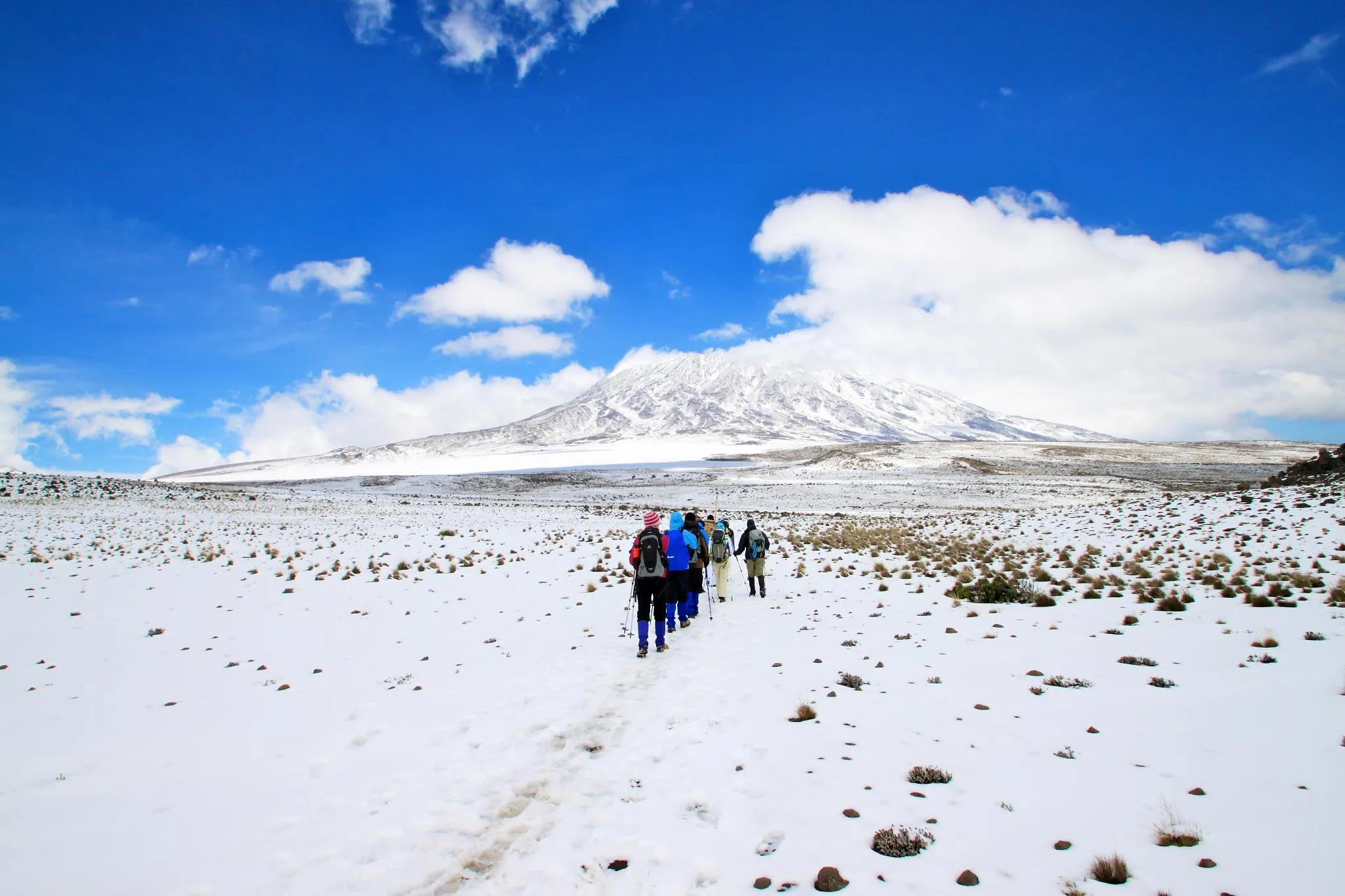
Embark on an unforgettable journey with our 7 day Rongai Route trek to the summit of Mount Kilimanjaro. Starting from the northern side of the mountain near the Kenyan border, the Rongai Route is known for its remote, less crowded paths, beautiful scenery, and higher chances of spotting wildlife. This detailed itinerary ensures a gradual ascent, providing ample time for acclimatization and maximizing your chances of reaching Uhuru Peak.
The price of your Tanzania holiday is tailored to your accommodation category, number of travelers and season of travel. Choose from our Budget, Mid-Range or Luxury accommodation options, with each level offering a different balance of comfort, facilities and experience. The number of people traveling also affects the cost per person, while peak, shoulder and low seasons can influence accommodation rates and overall safari costs. This means there is no single fixed price for every traveler—your final cost is calculated around your specific travel dates, group size and preferred accommodation level, ensuring you get a fair price that matches the experience you want.
Price information coming soon. Please contact us for a personalised quote.
Day 01 :
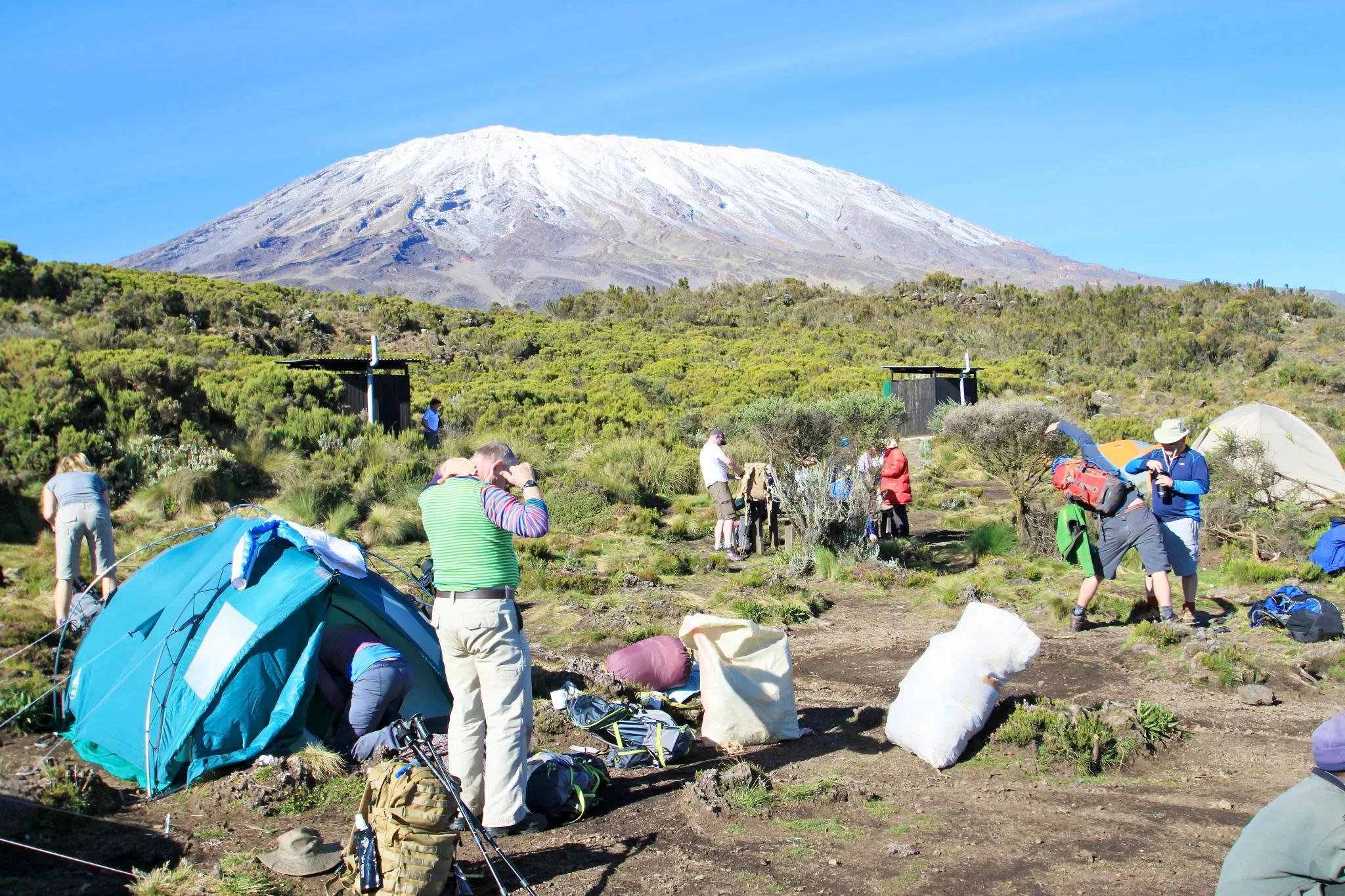
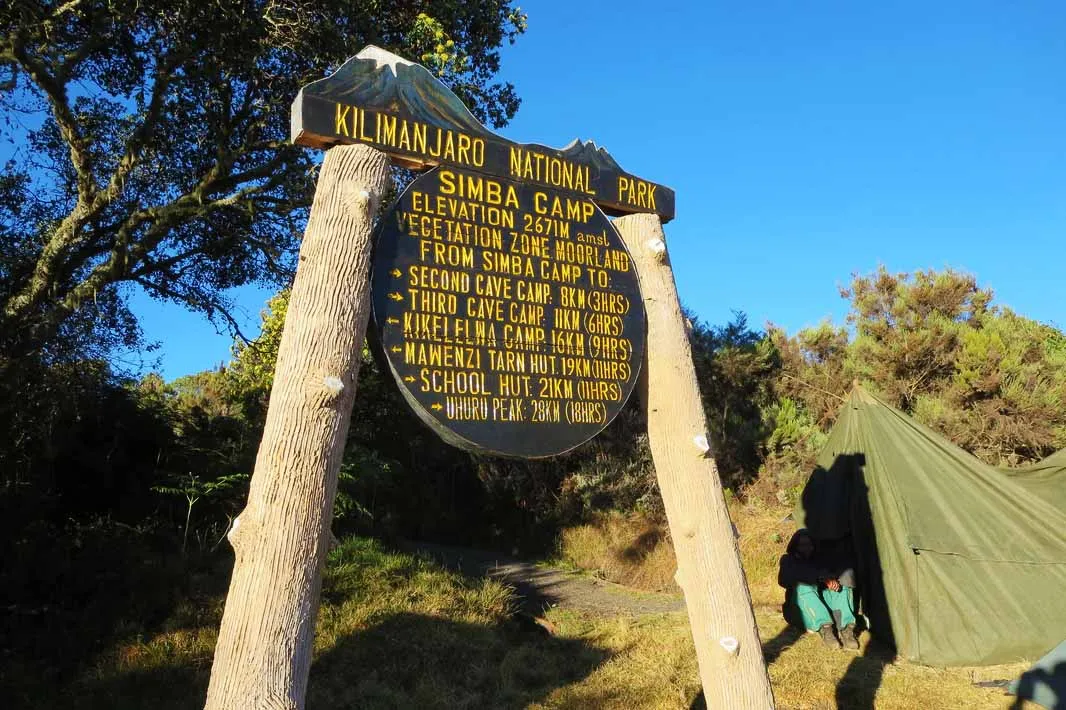
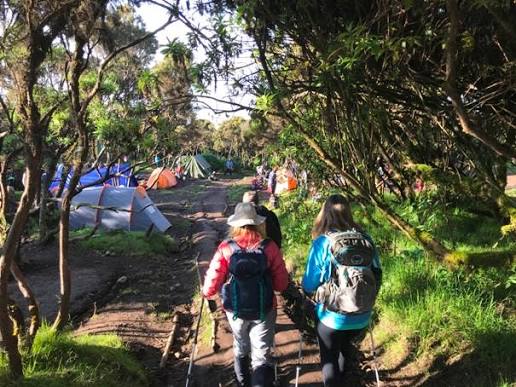
Begin your trek from Rongai Gate with a gentle hike through lush farmlands and pine forests. The trail gradually ascends to Simba Camp, offering stunning views of the Kenyan plains.
Activities
Day 2 :
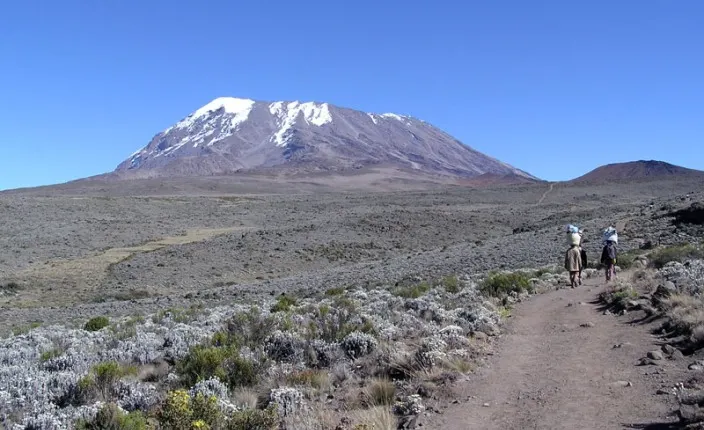
Continue your trek with a steady climb through moorland. The trail offers panoramic views of Kibo and the eastern ice fields on the crater rim. Arrive at Second Cave Camp in the afternoon.
Activities
Day 3 :
Trek across the moorland towards Kikelewa Camp, passing through several valleys and ridges. The scenery becomes more rugged and remote as you ascend.
Activities
Day 4 :
A short but steep climb takes you up grassy slopes and across barren high-altitude desert to Mawenzi Tarn Camp, located beneath the towering spires of Mawenzi. Spend the afternoon acclimatizing and exploring the area.
Activities
Day 5 :
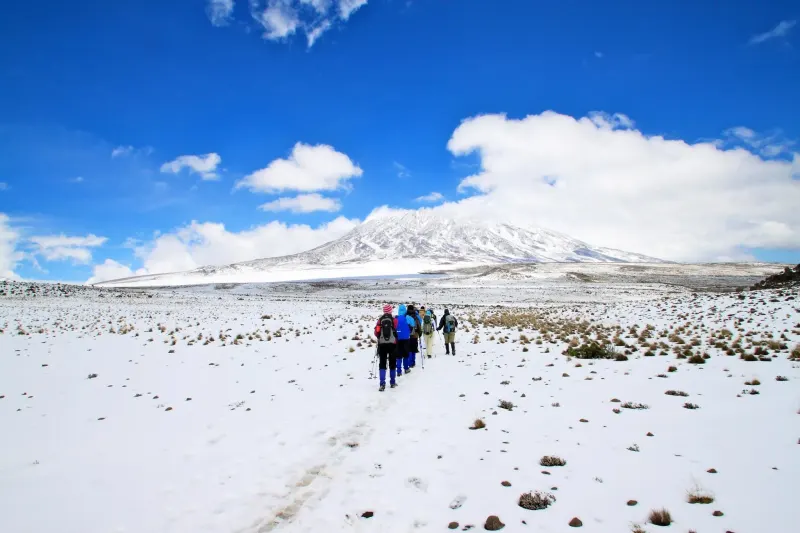
Cross the lunar-like desert of the Saddle between Mawenzi and Kibo, reaching Kibo Hut in the early afternoon. Rest and prepare for your summit attempt, which begins at midnight.
Activities
Day 6 :
Begin your final ascent to the summit around midnight. The steep and challenging trail to Gilman’s Point (5,685m) takes about 5-6 hours. From there, continue along the crater rim to Uhuru Peak (5,895m), the highest point in Africa. After celebrating your achievement, descend to Kibo Hut for a short rest, then continue down to Horombo Hut.
Activities
Day 7 :
Enjoy your final descent through the lush rainforest to Marangu Gate. Celebrate your accomplishment and receive your summit certificate before transferring back to Moshi.
Activities
At Zaita Tours, we understand that where you stay can make a big difference to your overall Tanzania experience. That’s why we carefully select a range of accommodations to match different travel styles, comfort levels and budgets. Our accommodation options are grouped into three categories—Budget, Mid-Range and Luxury, based on comfort, facilities, location and overall experience. This gives you the flexibility to choose the style of stay that best suits your holiday, while keeping the same carefully planned safari itinerary.
Accommodation details coming soon.
Tanzania can be visited throughout the year, with each season offering its own advantages. From spectacular wildlife safaris in the Serengeti and Ngorongoro to climbing Mount Kilimanjaro and relaxing on the beaches of Zanzibar, different times of the year offer different advantages.
Tanzania's tourism seasons are commonly divided into high season, shoulder season, and low season, with the country's two main rainy periods—the short rains and long rains—also influencing travel conditions.
For safari travelers, the dry months are generally the most popular because wildlife is easier to spot and road conditions are usually better. However, the wetter months can offer lush scenery, fewer visitors, and lower prices. The January–February calving season is also an exceptional time to visit the Serengeti.
The period from June to October is generally considered Tanzania's main dry season and is one of the most popular times for safari.
Rainfall is limited in many safari areas, vegetation becomes less dense, and animals often gather around permanent water sources. These conditions can make wildlife easier to spot during game drives.
The weather is also generally comfortable for outdoor activities, although mornings and evenings can be cool, particularly in higher-altitude areas such as the Ngorongoro Highlands and Mount Kilimanjaro.
June marks the beginning of the main dry season.
The landscape can still be relatively green following the long rains, while wildlife viewing starts becoming increasingly reliable. Visitor numbers begin to increase, but June can provide a good balance between excellent safari conditions and the larger crowds of July and August.
Best for:
These are among the busiest and most popular months for Tanzania tourism.
The weather is generally dry, wildlife viewing is excellent, and the Serengeti is particularly popular for travelers hoping to see the Great Migration.
In northern Serengeti, the migration can bring large concentrations of wildebeest and other animals. River crossings can occur during this period, although they are a natural event and cannot be guaranteed on a specific day or at a particular location.
July, August, and September are also excellent months for Kilimanjaro, although popular routes and camps can become busy.
Best for:
Because this is peak season, safari lodges, camps, and popular routes can book well in advance, and prices are generally higher.
October is the end of the main dry season.
Temperatures begin to rise, and the landscape becomes drier in many areas. Wildlife viewing can remain excellent, particularly around water sources.
October can be an attractive alternative to the busiest months because visitor numbers may begin to decrease while safari conditions remain favorable.
Best for:
Around November, Tanzania's short rains generally begin. These rains are usually shorter and less persistent than the long rains of March to May.
Rain doesn't necessarily mean that a safari is impossible. In many cases, showers are temporary and the landscape quickly becomes greener and more attractive.
This period can provide an excellent combination of wildlife, scenery, fewer tourists, and better value.
November is often considered a shoulder season.
The first rains refresh the landscape, migratory wildlife begins moving through different parts of the ecosystem, and visitor numbers can be lower than during the July–September peak.
For travelers who don't mind the possibility of rain, November can be an excellent time to experience Tanzania at a more relaxed pace.
Best for:
Early December can still offer good value and relatively moderate visitor numbers.
However, demand increases toward Christmas and New Year, so accommodation and safari prices can rise considerably during the holiday period.
If you are planning a Christmas or New Year safari, booking early is recommended.
January and February are among the most interesting months for wildlife enthusiasts.
The Serengeti enters the famous calving season, when large numbers of wildebeest give birth. The abundance of young animals also attracts predators, creating dramatic wildlife encounters.
The scenery is usually greener than during the dry season, making this an excellent period for photography.
There can still be rain, but it does not necessarily rain continuously throughout the day.
For travelers specifically interested in the Great Migration, it is important to understand that the migration is not a single event that happens in one place on one date. The herds move continuously through the Serengeti ecosystem according to food, rainfall, and other natural conditions.
Therefore, January and February are particularly attractive if your priority is calving, while later months may be better suited to travelers hoping to witness other stages of the migration.
March to May is generally Tanzania's long-rain period.
This is traditionally the quietest tourism season, especially during April and May. Rain can be heavier and more persistent, and some roads may become difficult depending on local conditions.
However, it is important not to dismiss this period completely.
The landscape can be incredibly green, parks are quieter, and accommodation prices can be significantly more attractive. For travelers who prioritize value and don't mind unpredictable weather, this can be an excellent opportunity.
March can be a transition month.
The weather becomes wetter, but safari conditions can still be good, particularly earlier in the month.
April is generally one of the wettest months.
There are fewer tourists, and some seasonal camps may close. However, travelers can benefit from lower rates and peaceful parks.
May generally remains part of the long-rain period, although conditions can vary.
As the month progresses, the country begins moving toward the drier period that starts around June.
Best for:
The best time for a safari depends on what you want to see.
June to October is generally the easiest recommendation because dry conditions make wildlife easier to locate and roads are usually in good condition.
January to February is particularly exciting.
The large number of newborn wildebeest creates excellent opportunities to see predator-prey interactions.
Consider November, January–February, or March–May, depending on your tolerance for rain.
March to May generally offers the greatest opportunities for lower accommodation and safari rates, although availability can vary and some properties may close.
The answer depends on the stage of the migration you want to experience:
Because the migration follows rainfall and fresh grass rather than a fixed calendar, exact locations and river crossings cannot be guaranteed.
The Ngorongoro Crater is a year-round destination.
Because of its permanent water sources and high concentration of wildlife, you can have an excellent safari experience in almost any month.
The dry season from June to October is particularly popular, but the green season can offer beautiful scenery and fewer visitors.
If your itinerary combines Serengeti + Ngorongoro, you don't necessarily need to visit during peak season to have an excellent wildlife experience.
Tarangire is particularly interesting during the dry season.
As water becomes less available in surrounding areas, animals concentrate around the Tarangire River and other water sources.
June to October is therefore an excellent period for wildlife viewing.
However, Tarangire can also be rewarding during other months, particularly when the landscape is green and migratory wildlife moves through the wider ecosystem.
Mount Kilimanjaro can technically be climbed throughout the year, but the drier months are generally preferred.
The most popular periods include:
The weather on Kilimanjaro is different from the weather on the plains. Conditions can change dramatically with altitude, and the summit can be extremely cold regardless of the season.
For this reason, choosing a suitable route, allowing enough days for acclimatization, and having experienced guides are more important than simply selecting a particular month.
Zanzibar is also a year-round destination, but the generally drier periods are popular for beach holidays.
June to October offers relatively dry conditions and is a popular time for combining a safari with a beach stay.
January to February can also be excellent for enjoying Zanzibar's beaches, with warm temperatures and generally favorable conditions.
The long-rain period, particularly March to May, can bring heavier rainfall, although sunny periods can still occur.
If your Tanzania holiday combines safari + Zanzibar, we can help you select dates that work well for both parts of the trip.
Yes. The time of year can have a significant impact on the cost of a Tanzania safari.
During the high season, demand for lodges, camps, guides, and safari vehicles is higher, so prices generally increase.
During shoulder and low seasons, some accommodation providers offer lower rates, allowing travelers to experience Tanzania at a more affordable price.
However, season is only one factor in the total cost.
Your final price may also depend on:
At Zaita Tours, our prices are presented per person according to the number of travelers, with accommodation options ranging from Budget (3-star) to Mid-Range (4-star) and Luxury (5-star).
If you add activities such as a hot-air balloon safari, walking safari, cultural experience, or other excursions, the total price will increase according to the activity selected.
There is no single answer.
If your priority is excellent wildlife viewing and dry weather, consider June to October.
If you want to experience the Serengeti calving season, choose January or February.
If you want fewer tourists and better value, consider the shoulder or low seasons.
If you want to combine safari, Kilimanjaro, and Zanzibar, your ideal travel period may be different again.
The best Tanzania holiday is not necessarily about finding the “perfect month.” It is about finding the right combination of season, destinations, accommodation, activities, and budget for you.
Planning your first Tanzania holiday is exciting, but a little preparation makes the whole trip easier. This guide covers the practical things—passports, money, health, packing, and what a safari actually feels like—without the usual padding.
Your passport must be valid for at least six months from your arrival date and have at least one blank page for immigration.
Visa rules depend on your nationality. Most travelers can apply online through Tanzania's official visa system, and some nationalities qualify for visa-free entry. Because the rules differ, confirm the requirements for your specific passport before booking flights.
One tip worth taking seriously: don't leave your application to the last minute. Some nationalities fall under referral categories that take longer to process, and a delayed visa can undo months of planning.
For a full breakdown of fees, processing times, and the US citizen rule, see our Tanzania visa requirements guide.
The official currency is the Tanzanian Shilling (TZS). US dollars are widely accepted in tourism—safaris, lodges, tips, and activities—but not everywhere.
You do not need to carry large amounts of cash. ATMs exist in towns and cities, though they thin out once you head into remote safari areas.
A practical mix works best:
Before entering a remote park, make sure you have some cash on you. There is no ATM in the bush.
Swahili is the national language. English is widely spoken in tourism, hotels, and safari companies, so you can travel comfortably without learning it.
That said, a few words go a long way:
You will hear these within your first hour in the country.
Do not treat this as an afterthought. A good policy should cover medical treatment, trip cancellation, lost baggage, and emergency assistance.
If your itinerary goes into remote areas, check that it includes emergency evacuation. If you are climbing Kilimanjaro, confirm the policy covers trekking at your route's altitude. Many standard policies exclude this.
There is no need to worry unnecessarily, but it is sensible to prepare.
Speak with a travel-health professional about vaccinations, malaria prevention, and any precautions relevant to your itinerary. What you need depends on where you are travelling from and which parts of Tanzania you plan to visit, so personal advice beats a generic checklist.
Bring enough of your regular medication for the whole trip, plus a little extra in case of delays.
You do not need your entire wardrobe. For a safari, practical and comfortable beats stylish.
Pack lightweight clothing for the day, a warm layer for early mornings and evenings, comfortable walking shoes, a sun hat, sunscreen, insect repellent, a light rain jacket, and a power bank. Bring a reusable water bottle if you want to cut down on plastic.
If you are adding Zanzibar to your trip, add swimwear and beach clothing. If you are climbing Kilimanjaro, your list will be longer and colder.
Tanzania is a large country, and the weather changes with the landscape.
You may get cool mornings in the highlands, warm days on safari, and humid heat on the coast. Even in the dry season, mornings around Ngorongoro and Kilimanjaro can be genuinely cold.
Pack layers. Do not pack only for the hottest temperature you expect.
For a full month-by-month breakdown, see our best time to visit Tanzania guide.
You will usually find mobile signal and Wi-Fi in cities, towns, and most lodges. Do not expect it everywhere on safari. Some remote areas have no coverage, and lodge Wi-Fi varies in speed.
Download documents, maps, and entertainment before you leave for remote areas.
And do not worry about being offline. A few hours without your phone often makes the safari better, not worse.
Tanzania uses 230V and Type G plugs. Bring a universal adapter if your devices use a different plug.
A power bank matters more than you think. On safari, you may be away from camp for hours, and cameras die at the worst possible moment. Some remote camps have limited charging hours, so charge whenever you can.
Tipping is common and appreciated, but it should reflect the service you received—not pressure.
You may choose to tip your safari guide, cook, lodge staff, or Kilimanjaro crew. A useful starting point is $10 to $20 per person per day for your guide and less for general staff.
Your Zaita Tours team will explain the usual practice for your specific itinerary before you travel.
Tanzania is larger than most first-time visitors expect. Distances between destinations are real, and travel time is part of the trip.
Safari travel is done in 4x4 vehicles, which reach places ordinary cars cannot. Domestic flights save time on longer routes—for example, flying to Zanzibar instead of driving back across the country.
Build a slower itinerary. Fewer destinations, more time in each, almost always beats rushing.
Not every road in a national park is smooth. Expect dust, bumps, and the occasional rough stretch, especially in remote areas or after rain.
This is normal. The reward is reaching wildlife areas that ordinary vehicles cannot access.
Sit back and enjoy it. The bumpy road is often the one that leads somewhere worth going.
You are entering the animals' environment, not a zoo.
Follow your guide's instructions and park rules at all times. Do not leave the vehicle without permission, do not call animals toward you, and never feed wildlife.
The best sightings often happen when everyone stays quiet and lets the animals behave naturally.
Tanzania is home to many communities and traditions. When visiting villages or meeting local people, be respectful and open-minded.
Ask before taking photographs. Dress appropriately at cultural or religious sites. Listen to your guide.
You do not need to know everything about Tanzanian culture before you arrive. Curiosity and respect cover most of it.
You will take more photos than you expect. A camera with a good zoom helps for wildlife, and binoculars make distant animals easier to see.
Keep your camera ready—sightings happen suddenly. But do not spend the whole safari behind a screen. Sometimes the best image is the one you keep in your memory.
And if you want to photograph people, ask first. A simple smile and "Naweza kupiga picha?"—May I take a photo? — is a good way to start.
Tanzania offers everything from local dishes to international cuisine in lodges and hotels.
If you have dietary requirements—vegetarian, vegan, halal, allergies, or preferences—tell us before you travel so we can pass them to your accommodation and safari team.
For drinking water, stick to bottled or properly treated water unless your accommodation confirms the tap or refill water is safe. A reusable bottle helps reduce plastic waste.
You do not need to carry all your holiday money in cash. A mix of cards, shillings, and some US dollars is more practical.
Keep cash and documents secure, especially when moving between destinations.
On most safari packages, the major costs are already covered. Your personal spending is mainly tips, drinks, souvenirs, and optional activities.
Millions of people visit Tanzania every year for safaris, Kilimanjaro, Zanzibar, and cultural trips.
Use the same common sense you would anywhere. Keep valuables secure, avoid displaying large amounts of cash, and use reputable transport in towns and cities.
On safari, the most important safety rule is simple: follow your guide's instructions around wildlife.
Many first-time visitors worry about things that turn out to be easier than expected.
You do not need to speak Swahili. You do not need to navigate the parks yourself. You do not need to plan every minute. And you do not need to know every species before you arrive.
That is what your guide is for. Your job is to relax, ask questions, and take it in.
A few days before you travel, check that you have:
And leave some space in your plans for the unexpected. A safari is not a controlled schedule. Wildlife moves, weather shifts, and roads surprise you. Often the most memorable moment is the one nobody planned.
The best Tanzania holiday is not the most expensive one or the longest one. It is the one that fits you.
Whether you choose budget, mid-range, or luxury accommodation, and whether you travel as a couple, a family, a group, or solo, we can plan around your interests, dates, and budget.
At Zaita Tours, our goal is to make the planning simple so you can spend your time looking forward to the trip.
You bring the curiosity. We will help with the rest.
Day 01 :
Rongai Gate to Simba Camp (2,650m)
Day 2 :
Simba Camp to Second Cave Camp (3,450m)
Day 3 :
Second Cave Camp to Kikelewa Camp (3,600m)
Day 4 :
Kikelewa Camp to Mawenzi Tarn Camp (4,330m)
 Full Day
Day 5 :
Mawenzi Tarn Camp to Kibo Hut (4,700m)
Day 6 :
Summit Day – Kibo Hut to Uhuru Peak to Horombo Hut (3,720m)
Day 7 :
Horombo Hut to Marangu Gate (1,860m)
* indicates a required field.
Starting From
Per Person • Taxes Included
 Tanzania Safari
 Tanzania Safari
Loading...
Loading...