In this article 18 sections
- What to Pack for Tanzania Safari: Complete Packing List
- Quick Tanzania Safari Packing List
- 1. Clothes to Pack for a Tanzania Safari
- 2. Shoes to Bring on a Tanzania Safari
- 3. Sun Protection and Insect Protection
- 4. Important Travel Documents to Pack
- 5. Electronics and Photography Equipment
- 6. Personal Items and Toiletries
- 7. What Type of Bag Should You Bring on a Tanzania Safari?
- 8. What to Pack for Tanzania Safari Depending on the Season
- 9. What to Pack for Different Tanzania Safari Destinations
- 10. What to Pack if You Are Combining a Safari with Zanzibar
- 11. What Not to Pack for a Tanzania Safari
- 12. How Many Clothes Should You Pack for a Tanzania Safari?
- 13. Final Tanzania Safari Packing Checklist Before Departure
- Frequently Asked Questions About What to Pack for Tanzania Safari
- More Tanzania Travel Guides
- Get Ready for Your Tanzania Safari
What to Pack for Tanzania Safari: Complete Packing List
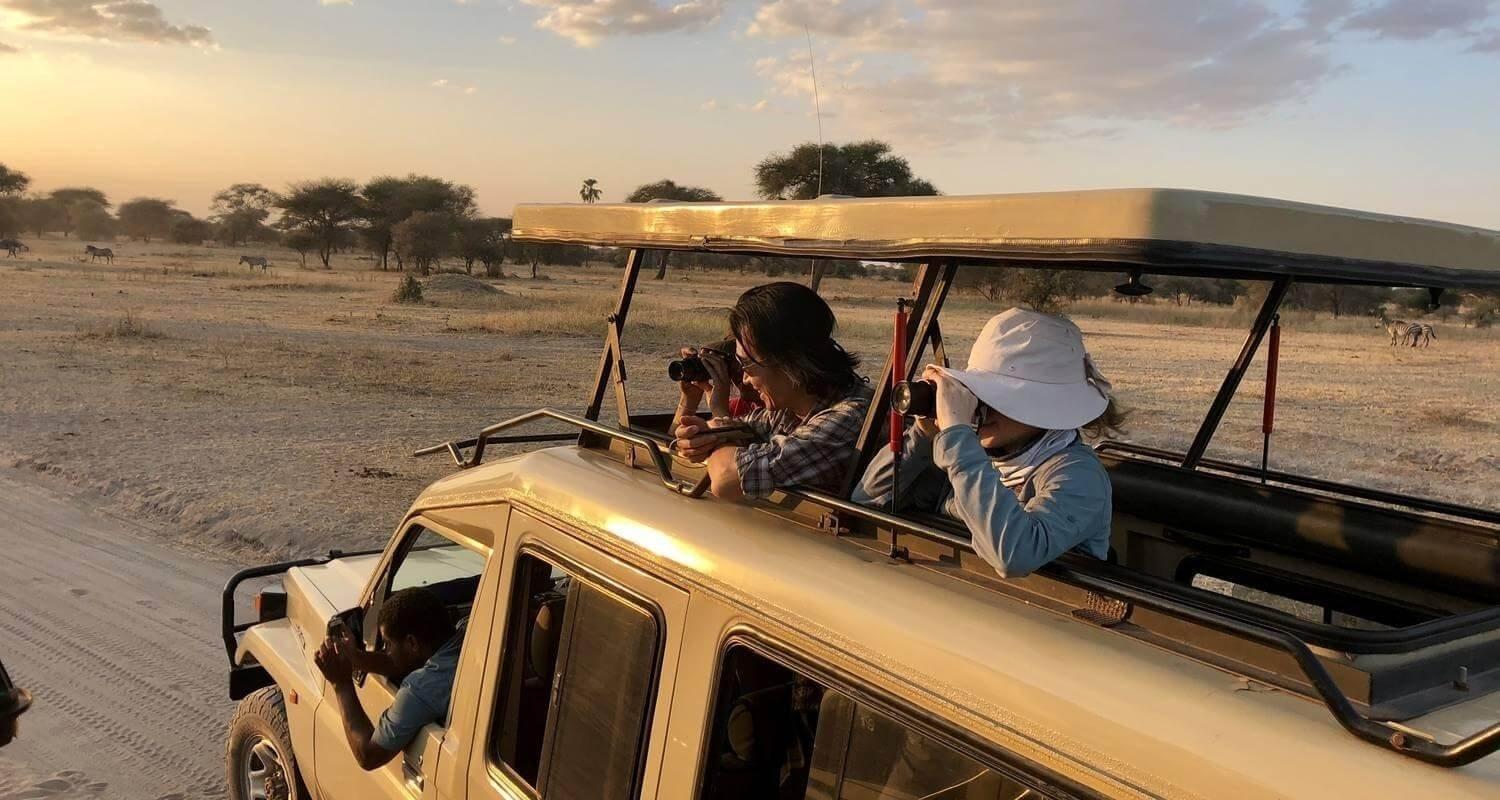
Knowing what to pack for a Tanzania safari can make your holiday much more comfortable. You will spend time in an open safari vehicle, travel through dusty roads, enjoy early morning game drives, and visit places where the weather can change during the day.
The good news is that you do not need to bring your entire wardrobe. A few comfortable clothes, good shoes, and the right travel essentials will prepare you for most safari experiences.
This Tanzania safari packing list explains what to bring, what to wear, which items you should not forget, and what to leave at home. Whether you are visiting the Serengeti, Ngorongoro Crater, Tarangire, or the southern parks, you will know how to pack before leaving home.
Quick Tanzania Safari Packing List
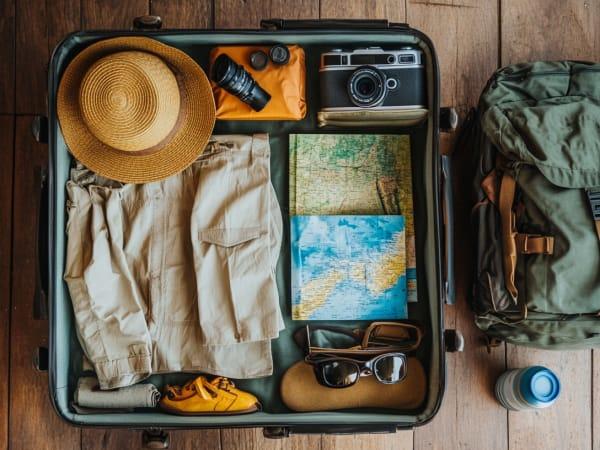
If you want to know what to bring on safari in Tanzania without reading the whole guide first, start with this checklist.
- Lightweight shirts and T-shirts
- Long trousers and comfortable shorts
- A warm fleece, sweater, or light jacket
- Comfortable walking shoes
- Sandals or comfortable slip-on shoes
- A sun hat or cap
- Sunglasses
- Sunscreen
- Insect repellent
- A light rain jacket
- Personal toiletries
- Prescription medicines
- Passport, visa, and travel documents
- Travel insurance details
- Camera, phone, and chargers
- Power bank
- Binoculars
- A reusable water bottle
- A small day bag
- A soft-sided travel bag
You can use this as your starting packing list for a Tanzania safari. The sections below explain which items are most useful and how many you may need.
1. Clothes to Pack for a Tanzania Safari
Choosing the right clothes is one of the most important parts of packing for a Tanzania safari. You need clothes that keep you comfortable in warm weather but also protect you when mornings and evenings become cold.
During a typical safari, you may leave your lodge before sunrise and return in the late afternoon. Temperatures can change quite a lot between these times.
Lightweight shirts and T-shirts
Bring about three to five lightweight shirts or T-shirts, depending on how long your safari will last and whether your accommodation offers laundry.
Cotton and breathable fabrics are good choices because they help you stay comfortable in warm weather.
Neutral colors such as
- Khaki
- Beige
- Olive green
- Light brown
- Earth tones
These colors are popular for safari clothing because they blend naturally with the surroundings and are practical when traveling through dusty areas.
Bright colors are not forbidden, but neutral shades are a comfortable and popular choice. Avoid wearing camouflage clothing, as it can be confused with military or official uniforms.
Long trousers and shorts
Pack two or three pairs of lightweight trousers and one or two pairs of comfortable shorts.
Long trousers are useful for early morning game drives, walking around your accommodation and protecting your legs from insects and the sun.
Shorts are comfortable during warm afternoons, especially when spending time at your lodge.
You do not need heavy jeans for every day. Lightweight trousers are usually easier to wear in Tanzania's warm weather.
Long-sleeved shirts
One or two long-sleeved shirts are worth packing.
They protect your arms from the sun and help reduce exposure to insects. They are also useful during cooler mornings.
Choose lightweight shirts that allow air to pass through them. You can roll up the sleeves when the weather becomes warmer.
A warm jacket or fleece
Do not assume that Tanzania is hot everywhere.
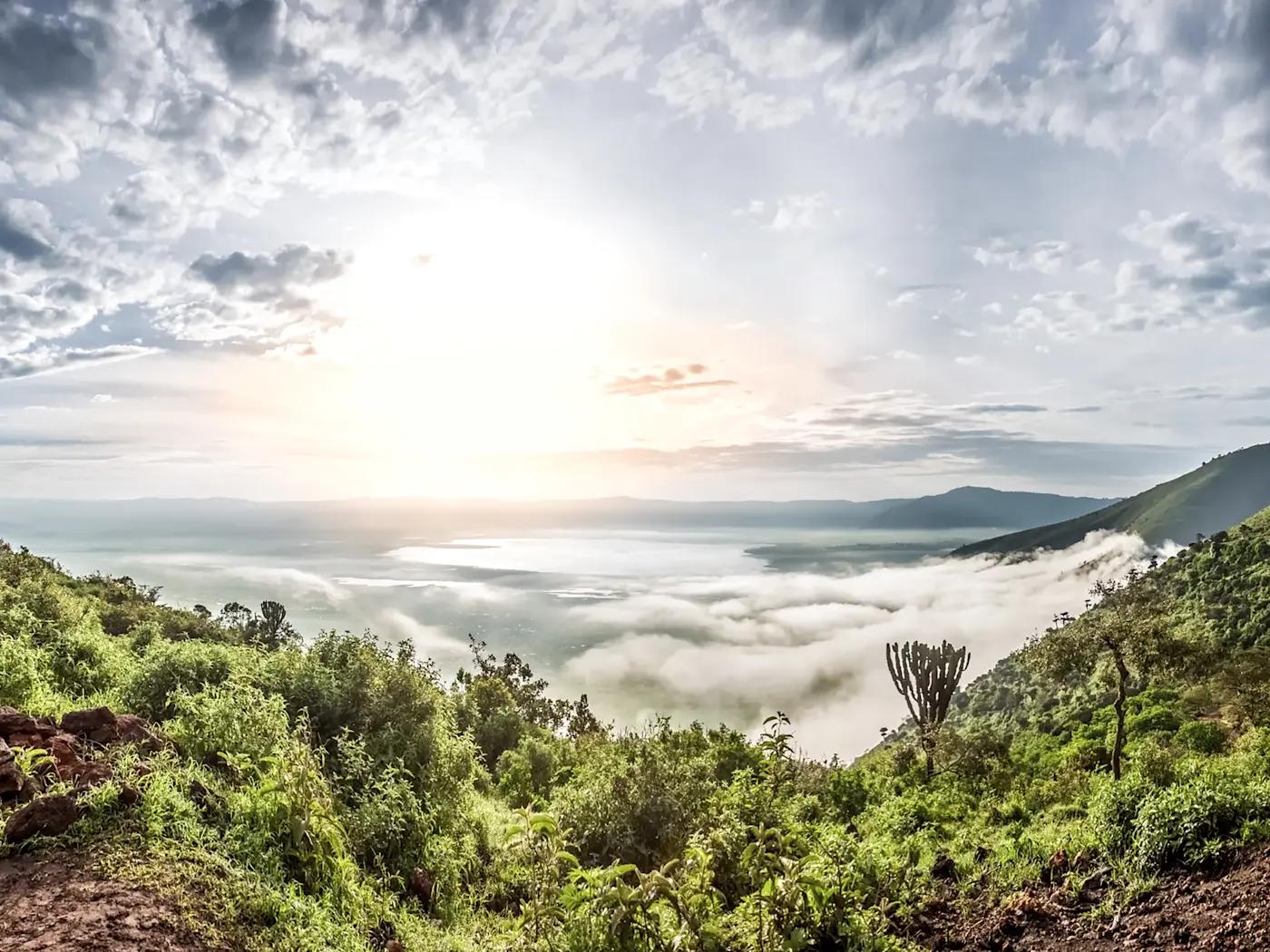
Places such as Ngorongoro Conservation Area can be surprisingly cold, especially around the crater rim and during early morning game drives. Temperatures can also feel cool in the highlands around Arusha.
Bring at least one warm fleece, sweater, or light jacket.
You may not wear it during the afternoon, but you will appreciate having it when you leave your lodge early in the morning.
Underwear, socks, and sleepwear
Pack enough underwear and comfortable socks for your trip.
Three to five pairs of socks are a useful starting point for a shorter safari, but bring more if you prefer changing them daily and will not have access to laundry.
Also remember your nightwear. Some safari lodges can become cool after sunset, so lightweight but comfortable sleepwear is a good idea.
2. Shoes to Bring on a Tanzania Safari
You do not need expensive hiking boots for an ordinary game-drive safari. Most of your wildlife viewing will take place from your safari vehicle.
However, comfortable footwear makes a difference when walking around lodges, visiting viewpoints, or taking part in activities outside the vehicle.
Comfortable walking shoes: Bring one pair of closed-toe walking shoes or trainers. They should fit well and be comfortable enough to wear for several hours.
Sandals: A pair of sandals is useful around your lodge, especially after a long day of game drives.
Extra socks: These help keep your feet comfortable and protect them from dust.
If your itinerary includes a guided walking safari, ask your tour operator whether particular footwear is required. A Kilimanjaro climb also requires a separate and more specialized footwear list.
3. Sun Protection and Insect Protection
You may spend several hours outside while watching elephants, lions, giraffes, and other animals. Protecting yourself from the sun and insects is important.
Add these items to your Tanzania safari essentials:
- Sunscreen: Choose a broad-spectrum sunscreen with SPF 30 or higher.
- Sunglasses: Protect your eyes from strong sunlight and dust.
- Sun hat: A wide-brimmed hat provides good protection for your face and neck.
- Insect repellent: Bring a suitable repellent to help protect against mosquitoes and other biting insects.
- Lip balm: Sun and dry air can make your lips uncomfortable.
- Light scarf: Useful for covering your neck and protecting yourself from dust during some game drives.
Some lodges provide insect spray, but it is better to bring your own personal repellent.
If you are visiting during the rainy season, long-sleeved clothing and trousers can also help reduce exposure to insects.
4. Important Travel Documents to Pack
Your clothes and camera are important, but your travel documents are even more important. Keep them safe and easy to reach.
Before travelling to Tanzania, check that you have:
- A valid passport.
- A Tanzania visa or the documents required for your entry arrangements, if applicable.
- Return or onward flight details.
- Travel insurance documents.
- Safari booking confirmation.
- Accommodation details.
- Emergency contact information.
- Copies of important travel documents.
Keep your passport and other important documents in your hand luggage rather than your main suitcase.
It is also helpful to keep digital copies on your phone or in a secure online location.
A useful tip: Check the latest entry requirements for your nationality before departure. Visa and health requirements can differ depending on where you are travelling from.
5. Electronics and Photography Equipment
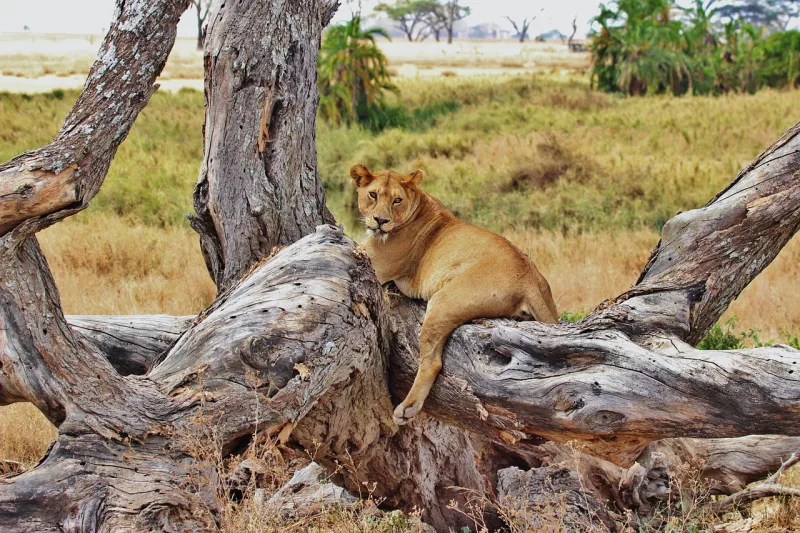
Tanzania offers excellent opportunities for wildlife photography. You may see lions resting under trees, elephants crossing the road, cheetahs hunting, and thousands of wildebeest moving across the Serengeti.
If you enjoy taking pictures, bring equipment that you are comfortable using.
Camera and lenses
A camera with a zoom lens is useful for photographing animals from a distance.
You do not need professional photography equipment to enjoy a safari. A good phone camera can also capture beautiful memories.
If you have a camera, remember to bring:
- Extra memory cards.
- Spare batteries.
- Camera charger.
- A protective camera bag.
- A cleaning cloth for dust.
Binoculars
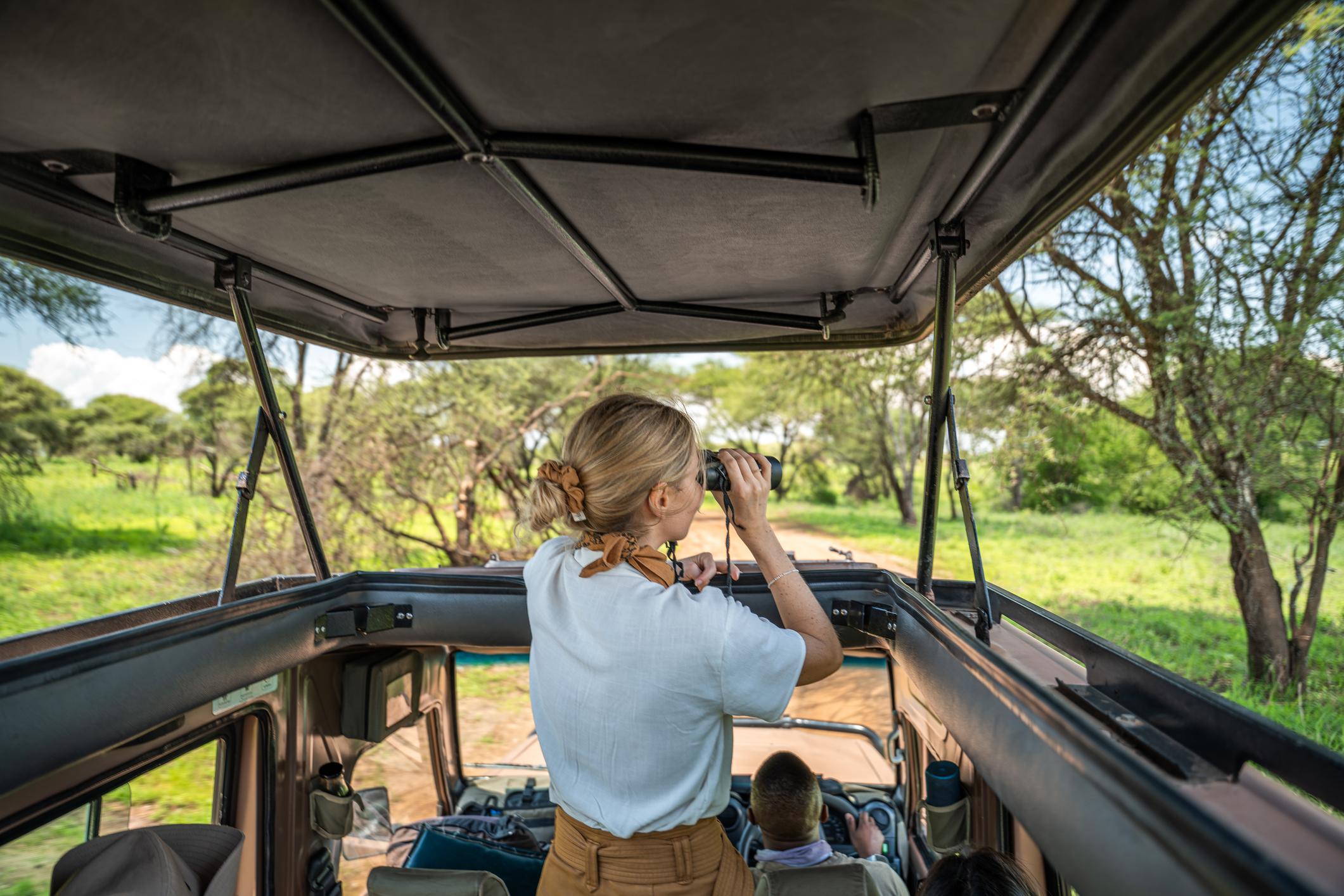
Binoculars are among the most useful items to bring on a Tanzania safari.
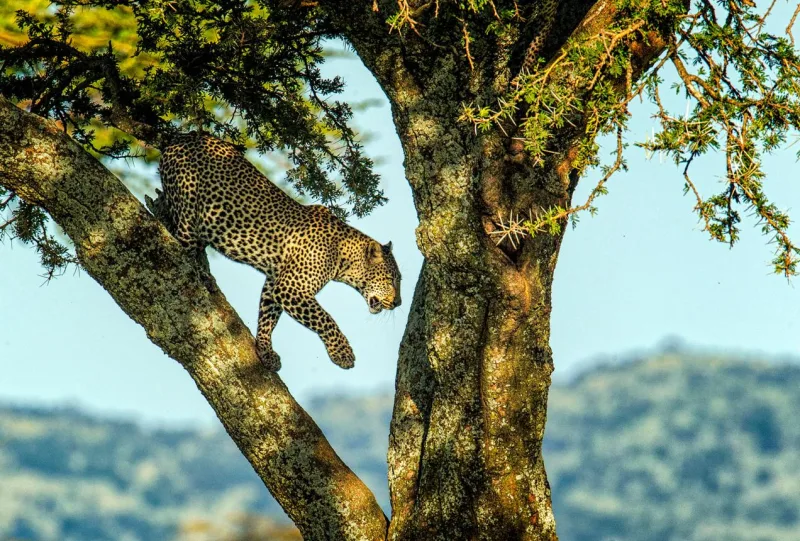
Some animals stay far away from the vehicle, and binoculars help you see them more clearly. They are especially useful for watching birds, leopards in trees, and animals across open grasslands.
If you enjoy birdwatching, you will find them particularly helpful.
Phone, charger, and power bank
Bring your phone, charging cable, and a power bank.
A power bank is useful when you spend long hours on game drives and cannot recharge your phone.
Some lodges have charging points in rooms, while others may have limited electricity hours. Check with your accommodation if you have several devices to charge.
Tanzania power adapter
Tanzania generally uses Type D and Type G electrical sockets, with a standard supply of around 230V.
Bring a suitable travel adapter so you can charge your phone, camera, and other devices.
Check that your chargers support the local voltage before plugging them in.
6. Personal Items and Toiletries
Most safari lodges and hotels provide basic bathroom items, but you may prefer bringing your own.
Pack the toiletries you use regularly, such as
- Toothbrush and toothpaste.
- Shampoo and conditioner.
- Soap or body wash.
- Deodorant.
- Moisturiser.
- Hairbrush or comb.
- Personal hygiene products.
- Hand sanitizer.
- Wet wipes or tissues.
You should also bring any prescription medicines you normally use, together with enough supplies for your trip and a little extra in case of delays.
A small personal first-aid kit can be useful. Consider including plasters, antiseptic wipes and any basic items you normally use.
For advice about malaria prevention, vaccinations, and other health preparations, speak to a qualified travel health professional before departure.
7. What Type of Bag Should You Bring on a Tanzania Safari?
Your choice of luggage depends on how you will travel between destinations.
For a road safari, a soft-sided travel bag or duffel bag is often easier to fit into the safari vehicle than a large hard-shell suitcase.
You should also bring a small day bag for items you want to keep close during game drives.
Soft-sided duffel bag
A soft-sided bag is a practical choice because it can fit more easily into the luggage space of a safari vehicle.
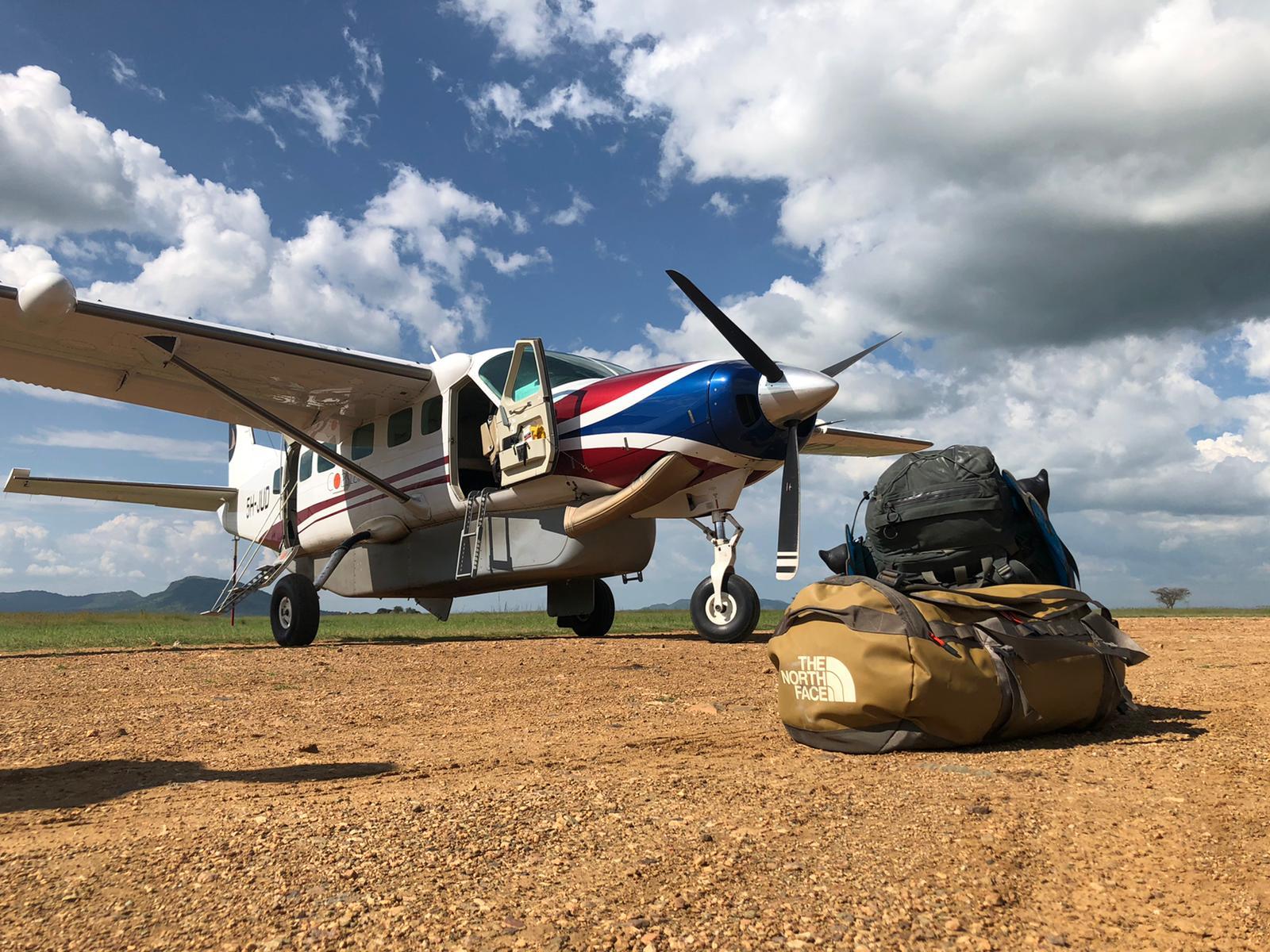
It is also important if your itinerary includes a small domestic aircraft between parks.
Small day backpack
Use a small backpack for items you may need during the day, including:
- Camera and binoculars.
- Sunscreen.
- Sunglasses.
- Hat.
- Phone and power bank.
- Personal medication.
- Water bottle.
Keep your passport, money, and other important documents in secure hand luggage.
How much luggage can you bring?
This is one of the most important things to check before travelling.
If your safari includes a domestic flight to places such as the Serengeti, Nyerere or other remote parks, small aircraft often have strict luggage limits.
Many safari flights use an allowance of around 15 kg per person, including hand luggage, but the exact limit depends on the airline, aircraft and route.
Some airlines also require soft-sided bags without rigid frames or wheels.
For a road safari, you may have more flexibility, but the vehicle still has limited storage space.
Our advice: Before packing, confirm your exact luggage allowance with your tour operator, especially if your safari includes domestic flights. Do not assume that your international airline's baggage allowance will apply to a small safari aircraft.
8. What to Pack for Tanzania Safari Depending on the Season
Tanzania has different weather conditions throughout the year. Your packing list should take the season and the parks you plan to visit into account.
June to October: Dry season
These months are generally dry and popular for wildlife safaris.
Bring lightweight clothes for warm afternoons and a fleece or jacket for cold mornings. A light scarf can also help protect you from dust during game drives.
If you are visiting the Ngorongoro highlands, pack an extra warm layer because mornings and evenings can be particularly cold.
November to December: Short rainy season
Short rains usually occur during this period, although the timing and amount of rain can vary.
Bring a lightweight waterproof jacket, comfortable trousers, and shoes that can handle some wet conditions.
You do not need to pack heavy winter clothing, but having something to protect you from rain is sensible.
January to February: Warm season
These months are generally warm in many safari areas.
Pack breathable clothing, comfortable walking shoes, sunscreen, sunglasses, and a hat.
If you are visiting the southern Serengeti and Ndutu area for the wildebeest calving season, remember to bring a light jacket for early morning drives.
March to May: Long rainy season
These months bring the main rainy season to many parts of Tanzania.
Pack a light waterproof jacket, quick-drying clothes, and shoes with a good grip.
Rain can affect road conditions, so clothing that dries easily is more practical than heavy fabrics.
Even during the rainy season, there can be warm and sunny periods. Bring clothes for both conditions.
9. What to Pack for Different Tanzania Safari Destinations
Not every safari destination has the same weather or travel conditions. Your itinerary can make a difference to what you need.
Serengeti National Park
The Serengeti has warm days, cool mornings and dusty conditions during dry periods.
Bring neutral-coloured clothing, a warm layer, sunscreen, sunglasses and a camera. Binoculars are especially useful when watching wildlife across the open grasslands.
If your trip includes a domestic flight, pay close attention to the luggage allowance.
Ngorongoro Crater
Ngorongoro is one of the places where you should not forget warm clothing.
The crater rim sits at a high altitude, and early mornings can be cold. A fleece or warm jacket is particularly useful before heading down into the crater.
You can remove extra layers as the day becomes warmer.
Tarangire National Park
Tarangire can become hot and dusty, especially during the dry season.
Bring breathable clothing, a sun hat, sunglasses, and sunscreen. A scarf can also be useful on dusty roads.
Lake Manyara National Park
Lake Manyara has a mix of forest, open areas, and lakeside scenery.
Lightweight clothing, comfortable shoes, insect repellent and sun protection are useful throughout your visit.
Nyerere and Ruaha National Parks
Southern Tanzania can be hot, with seasonal differences in rainfall.
Bring lightweight clothing, a hat, sunscreen, insect repellent and a light rain jacket if you are travelling during the rainy months.
If your itinerary includes a boat safari in Nyerere, consider bringing a waterproof pouch for your phone and other small valuables.
10. What to Pack if You Are Combining a Safari with Zanzibar
If your Tanzania holiday includes both wildlife and beach time, you will need a few additional items.
Zanzibar has a warm coastal climate, so lightweight clothes are suitable for most days.
Add these items to your packing list:
- Swimwear.
- Beach sandals.
- Lightweight beach clothes.
- Sunglasses.
- Sunscreen.
- A beach towel if your accommodation does not provide one.
- A light cover-up or modest clothing for visiting towns and local communities.
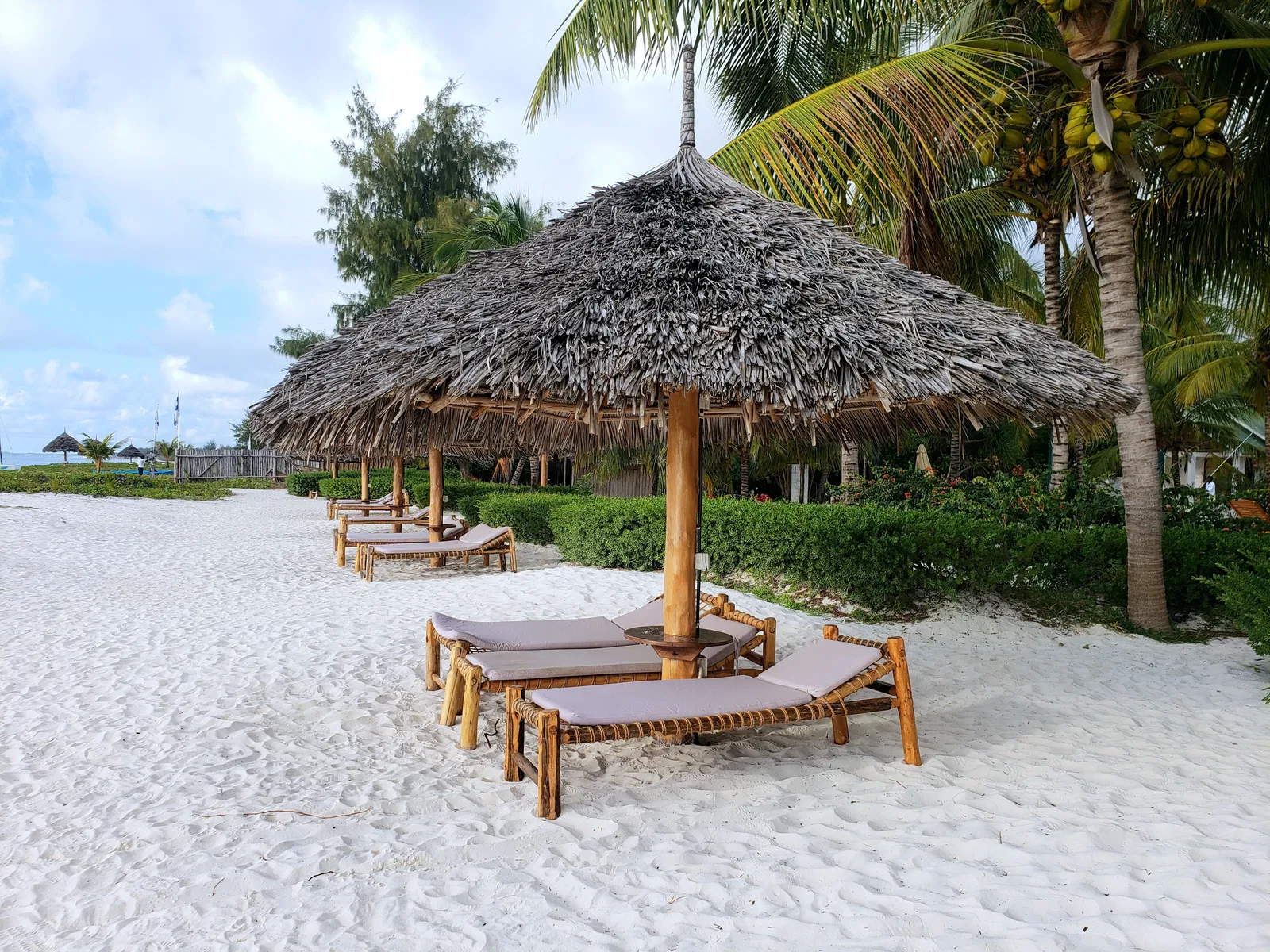
Remember that Zanzibar is different from the safari parks. When visiting Stone Town or local villages, dress respectfully by covering your shoulders and knees.
If you are already staying in Zanzibar and want to visit Tanzania's mainland parks, remember that your safari transport and domestic flights or other suitable transfers must be arranged separately. Mainland safari packages do not automatically depart from Zanzibar.
11. What Not to Pack for a Tanzania Safari
One common packing mistake is bringing too many things.
You will spend much of your safari travelling in a vehicle or relaxing at your lodge. You do not need several outfits for every day.
Here are some things you can leave at home:
Too many clothes: Pack a few comfortable outfits instead of bringing your entire wardrobe. Many lodges offer laundry services.
Heavy jackets: A warm fleece or light jacket is usually more practical than a thick winter coat.
High heels: They are not useful for normal safari activities. Comfortable shoes and sandals are better.
Expensive jewellery: Keep valuable accessories to a minimum. They are unnecessary for game drives.
Large hard-shell suitcases: These can be difficult to fit into safari vehicles and may not be accepted on small aircraft.
Strong perfumes: You do not need heavy fragrances during outdoor activities. Simple personal care products are enough.
Plastic carrier bags: Tanzania has restrictions on plastic carrier bags. Use suitable reusable bags for your belongings instead.
Unnecessary equipment: If you are not planning to hike, you do not need heavy hiking boots or specialist climbing equipment.
Packing less means you have fewer things to carry and more room for the items you will actually use.
12. How Many Clothes Should You Pack for a Tanzania Safari?
The number of clothes you need depends on the length of your safari and whether laundry is available.
For a safari lasting five to seven days, the following is a practical starting point:
- 4–5 T-shirts or lightweight shirts.
- 2–3 pairs of long trousers.
- 1–2 pairs of shorts.
- 1–2 long-sleeved shirts.
- 1 warm fleece or jacket.
- 1 light rain jacket.
- 5–7 sets of underwear.
- 3–5 pairs of socks.
- 1 pair of walking shoes.
- 1 pair of sandals.
- 1 set of sleepwear.
You can adjust these numbers depending on your personal needs and the facilities available at your accommodation.
If you are travelling for ten days or longer, you do not necessarily need to double everything. Ask whether your lodge provides laundry services.
13. Final Tanzania Safari Packing Checklist Before Departure
Before leaving home, take a few minutes to check that you have everything important.
Clothing
- Lightweight shirts and T-shirts.
- Long trousers and shorts.
- Long-sleeved shirts.
- Warm fleece or jacket.
- Light rain jacket.
- Underwear and socks.
- Comfortable walking shoes.
- Sandals.
Sun and insect protection
- Sun hat or cap.
- Sunglasses.
- Sunscreen.
- Insect repellent.
- Lip balm.
Travel documents
- Passport.
- Visa or entry documents, where required.
- Flight details.
- Travel insurance.
- Safari booking confirmation.
- Emergency contacts.
Electronics
- Phone and charger.
- Camera and batteries.
- Memory cards.
- Power bank.
- Travel adapter.
- Binoculars.
Personal items
- Toiletries.
- Prescription medication.
- Basic first-aid supplies.
- Reusable water bottle.
- Small day backpack.
Finally, check your luggage weight, especially if you are taking a domestic flight.
Frequently Asked Questions About What to Pack for Tanzania Safari
What clothes should I wear on a Tanzania safari?
Lightweight, breathable clothes are best for most safari days. Neutral colours such as khaki, beige, olive and brown are practical choices. Bring long trousers, shirts, comfortable walking shoes, and a warm jacket for early morning game drives.
Do I need warm clothes for a Tanzania safari?
Yes. Although many safari areas are warm during the day, some places become cold in the morning and evening. Ngorongoro is a good example because of its high altitude. Bring a fleece or light jacket.
Can I wear jeans on safari in Tanzania?
Yes, you can wear jeans, but lightweight trousers are usually more comfortable in warm weather. Jeans can also take longer to dry if they become wet.
What colours should I wear on safari?
Khaki, beige, olive green and light brown are popular choices. These colours are practical in natural surroundings and do not show dust as easily as very light fabrics. Bright colours are not banned, but neutral clothing is a sensible option.
Can I wear black or blue on a Tanzania safari?
Yes, there is no general rule that prevents visitors from wearing black or blue. However, some dark colours may attract tsetse flies in areas where they are present. Neutral, lighter colours are often a more comfortable choice.
What shoes are best for a Tanzania safari?
Comfortable trainers or walking shoes are suitable for most game-drive safaris. You can also bring sandals for your lodge. Hiking boots are mainly needed for activities that involve longer walks or mountain climbing.
How much luggage can I bring on a Tanzania safari?
It depends on your transport. Road safaris have more flexibility, but vehicle storage is limited. Small domestic safari aircraft commonly have a luggage allowance around 15 kg per person, including hand luggage, although the exact limit varies. Always confirm the allowance for your flight before departure.
Do I need binoculars for a Tanzania safari?
Binoculars are not compulsory, but they are very useful. They help you see animals and birds that are far from the safari vehicle.
Should I bring my own insect repellent?
Yes. Bringing your own insect repellent is a good idea, even if your lodge provides some. It is useful during evenings and in areas where mosquitoes and other insects are common.
What should I pack for a Tanzania safari with children?
Bring comfortable clothes, extra underwear, sun protection, insect repellent, personal medicines, snacks where appropriate, and entertainment for longer drives. Children may also need extra warm clothing for early mornings. Remember to pack anything they use regularly.
Do safari lodges provide towels and toiletries?
Many lodges and hotels provide towels and basic bathroom products. However, what is provided varies by property. If you prefer particular brands or products, bring your own.
Is a Tanzania safari packing list different from a Kilimanjaro packing list?
Yes. A normal safari requires comfortable clothes, sun protection and a warm layer. Climbing Mount Kilimanjaro requires specialised mountain clothing, hiking boots, thermal layers, gloves, sleeping equipment, and other gear for cold and changing mountain conditions. Do not use a normal safari packing list as your complete Kilimanjaro packing guide.
More Tanzania Travel Guides
Planning your first safari? These guides will help you prepare for your trip and understand what to expect in Tanzania.
- Before Your Tanzania Safari: What Every Traveler Should Know
- How to Choose a Tanzania Safari Package
- Tanzania Travel Guide
- Tanzania Safari Costs: What You Should Expect to Pay
- Explore Our Tanzania Safari Packages
Get Ready for Your Tanzania Safari
Packing for Tanzania does not have to be difficult. Bring comfortable clothes, protect yourself from the sun and insects, prepare for cool mornings, and keep your luggage manageable.
The most important thing is to pack according to your actual itinerary. A road safari through Tarangire, Serengeti and Ngorongoro may require slightly different preparations from a fly-in safari to Nyerere or a holiday that combines wildlife with Zanzibar.
At Zaita Tours, we organise private Tanzania safaris with your own vehicle and English-speaking guide. Our team can help you understand the travel arrangements, accommodation and practical details before your journey begins.
Explore our Tanzania safari packages and find a trip that matches your interests, travel dates and budget.
If you are still planning your holiday, tell us when you want to visit, how many people are travelling, and which places you would like to see. We will help you prepare for your Tanzania adventure.